Aminata Kane (Visa): "Fintech regulation is a bit more restrictive in Francophone Africa"
Aminata Kane, Visa's Senior VP for West and Central Africa, states that while mobile transactions are rapidly growing in Sub-Saharan Africa, restrictive regulations and taxes in Francophone regions impede their broader development.
Intelligence analysis by Gemini 2.5 Flash
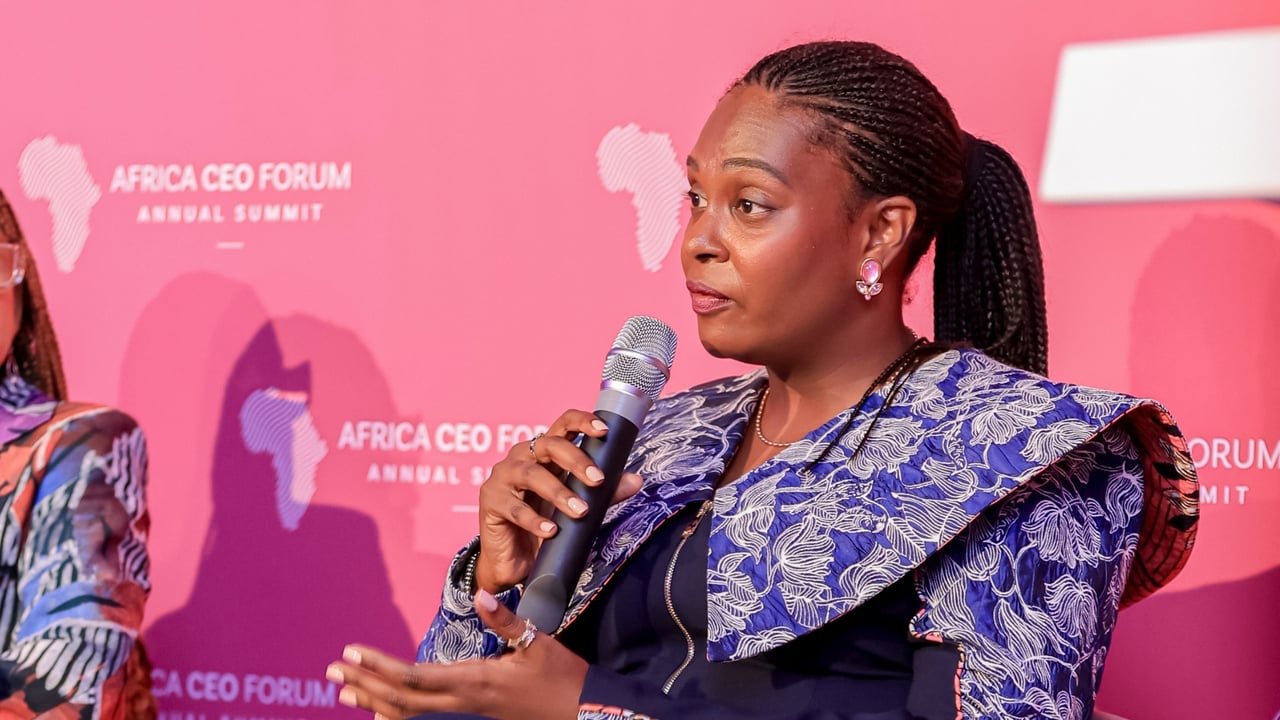
Aminata Kane of Visa highlights the significant growth of mobile money in Sub-Saharan Africa, which accounts for a large share of global mobile financial flows. However, she points out that Francophone African countries face more challenging regulatory frameworks and transaction taxes, which are slowing down the widespread adoption of digital payments.
Imagine you have a magic phone that lets you pay for things and send money to friends without needing paper cash. Lots of people in Africa are using these 'mobile money' phones, and it's growing super fast, like a plant getting lots of sun! But a lady named Aminata Kane from Visa says that in some parts of Africa, especially where they speak French, the rules for these magic phones are a bit too strict, and sometimes the government adds extra taxes, like a fee for using your magic phone. This makes it harder for everyone to use them and slows down how quickly this cool new way to pay can spread.
Analysis
The digital transformation of financial transactions in Africa, particularly in the Sub-Saharan region, is experiencing rapid growth, largely driven by the proliferation of mobile money services. Aminata Kane, the Senior Vice President for West and Central Africa at Visa, a global payment giant, underscores this trend, noting that Sub-Saharan Africa alone accounted for $1.417 trillion of the $2.1 trillion in mobile financial services worldwide in 2025, representing a 26% increase. This impressive figure, confirmed by the GSMA, the global telecom lobby, highlights the continent's pivotal role in the global mobile money landscape and its potential for further expansion.
Aminata Kane
Aminata Kane, a Senegalese executive who previously led Orange Money's mobile financial services across eighteen African and Middle Eastern markets, is now at the forefront of Visa's efforts to combat the prevalence of cash in African markets. Her strategy heavily relies on the continued rise of mobile money, encompassing merchant payments, international transfers, credits, and micro-insurance. Kane's experience with Orange Money provides her with a deep understanding of the operational and market dynamics of mobile financial services, positioning her as a key voice in advocating for an enabling environment for fintech growth across the continent. Her current role at Visa allows her to influence broader payment strategies and partnerships aimed at accelerating digital adoption.
Mobile Money Growth
The article emphasizes the unprecedented growth of mobile money, particularly in Sub-Saharan Africa. This growth is not merely a statistical anomaly but a fundamental shift in how financial transactions are conducted, offering a pathway to financial inclusion for millions who were previously unbanked or underbanked. The sheer volume of transactions, reaching over a trillion dollars, demonstrates the critical role mobile platforms play in daily economic activities, from small merchant payments to larger transfers. This expansion is a testament to the innovative spirit within the African fintech ecosystem and the increasing accessibility of mobile technology, which bypasses traditional banking infrastructure challenges.
Regulatory Hurdles
Despite the robust growth, Kane points out significant obstacles, particularly in Francophone Africa. She observes that the regulatory framework in these regions tends to be more restrictive compared to other parts of the continent. Beyond regulation, the imposition of taxes on mobile transactions presents another major challenge. Kane specifically cites Mali and Senegal, where the introduction of such taxes has directly led to a decline in transaction volumes, thereby hindering the development and widespread adoption of digital payments. This fiscal burden not only discourages users but also adds complexity for fintech operators, potentially stifling innovation and investment in a sector vital for Africa's economic future.
Key points
- Sub-Saharan Africa accounts for a substantial portion of global mobile financial flows, reaching $1.417 trillion in 2025.
- Aminata Kane, Visa's Senior VP for West and Central Africa, prioritizes combating cash and promoting mobile money adoption.
- Francophone African countries face more restrictive regulatory frameworks for fintech compared to other regions.
- Taxes on mobile transactions in nations like Mali and Senegal have led to a decrease in transaction volumes, hindering development.
- Mobile money is identified as a key driver for the digitalization of transactions and financial inclusion in Africa.
If the regulatory challenges and tax burdens highlighted by Aminata Kane are addressed, the already rapid growth of mobile money in Africa could accelerate significantly. This would foster greater financial inclusion, allowing more people to access essential financial services and contributing to broader economic development across the continent.
The current restrictive regulations and transaction taxes, as observed in countries like Mali and Senegal, pose a significant risk to the continued expansion of digital payments. If these barriers persist, they could slow down the shift from cash, potentially hindering financial innovation and limiting economic opportunities for many Africans.