An economic draft? Drive to get young Neets in the military divides opinion
UK ministers are pushing the armed forces as a route for jobless young people, but critics say it is no fix for youth unemployment.
Intelligence analysis by GPT-5.4 Mini
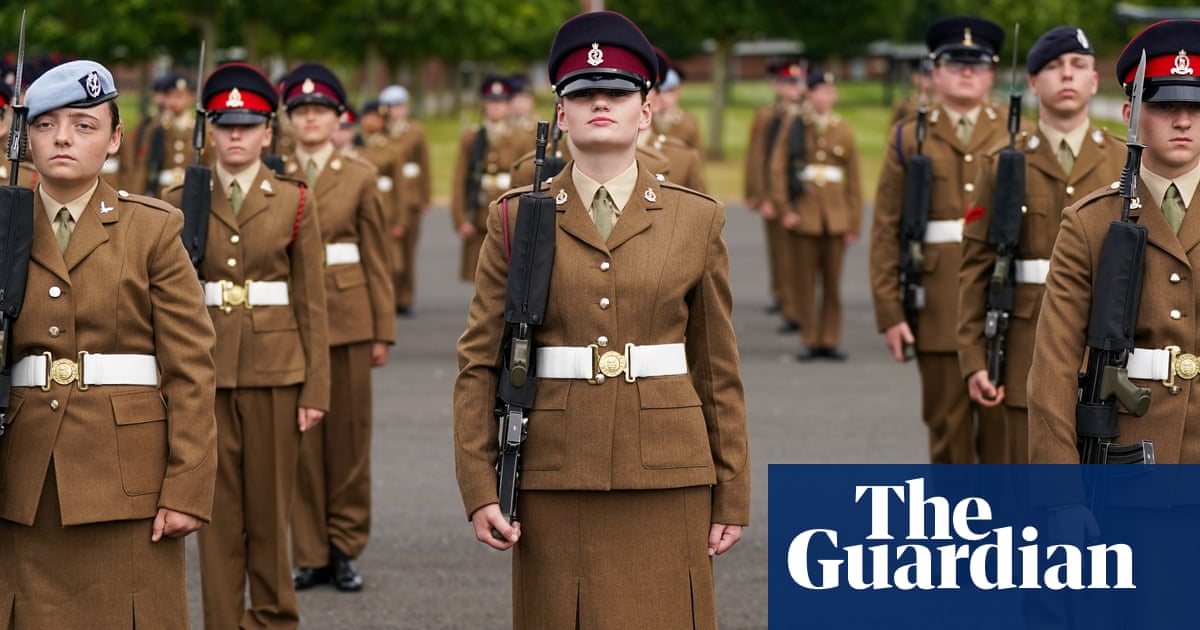
The article weighs a Labour-backed push to use military recruitment as a route out of youth joblessness against warnings that it amounts to “conscription by poverty.” Supporters see training and experience; critics say the numbers and dropout rates make it a poor labour-market solution.
The story is about whether the army should be used like a backup school-and-job path for young people who cannot find work. Some people say it can teach useful skills; others say it is like pushing people into a hard job because there are no better choices.
Analysis
What is being proposed
The Guardian reports a growing argument in the UK over whether young people who are not in education, employment or training, often called Neets, should be steered toward the armed forces. Veterans minister Louise Sandher-Jones said young people should “really seriously take a look at the armed forces,” against a backdrop of more than 1 million 16- to 24-year-olds out of education and work.
Why critics object
Peace groups and child-rights campaigners say this turns weak job prospects into a recruiting opportunity for the military. Emma Sangster of Forces Watch described a sense of “conscription by poverty,” while Jim Wyke of the Child Rights International Network said the idea that army recruitment could materially reduce Neet numbers was “ludicrous.”
The numbers in dispute
The article says the army recruits about 10,000 under-25s each year, while the government is also expanding the Cadet Force and placing military personnel in jobcentres. Critics argue the under-18 route is especially problematic because the Army Foundation College in Harrogate had a dropout rate of about 30% in 2022-23, compared with 6% to 15% for under-18s in civilian further education.
The counterpoint
Not everyone sees the military as exploitation. Alexandra Williams, who joined an officer training corps while studying law, says army experience helped her build skills, gain responsibilities, and start a career in PR. Her case shows how military pathways can provide structure, training, and contacts for some young people, especially those who want to keep civilian options open.
The article frames the issue as a broader test of whether the state is offering real labour-market opportunity or simply redirecting disadvantaged young people into uniform.
Key points
- The UK is debating whether the armed forces should be used to help young Neets find a route into work.
- Louise Sandher-Jones said young people should seriously consider the armed forces, but peace groups called that approach coercive.
- Critics say army recruitment is too small to meaningfully reduce youth unemployment and may worsen outcomes for under-18s.
- The Army Foundation College in Harrogate had a much higher dropout rate than civilian further education routes, according to the article.
- Supporters point to individual cases where military training helped build skills and lead to civilian jobs.
If the policy works as its supporters hope, the military could offer training, discipline, and a route into work for some young people who are struggling to find a foothold. The article also shows that some recruits can turn that experience into civilian careers later.
If critics are right, the policy could simply channel disadvantaged young people into a high-dropout path without fixing the underlying job shortage. The article suggests it may also deepen concerns that poverty, not choice, is driving recruitment.