Analysis:How a US-Japan pact to hit yen speculators came together
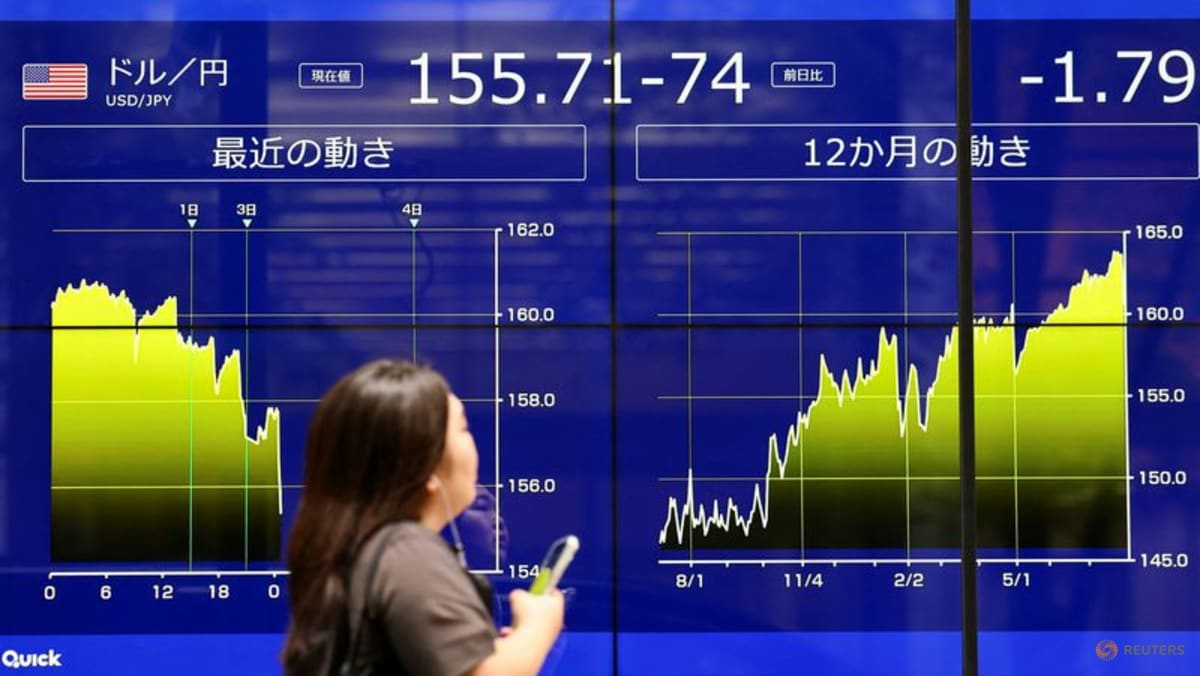
A joint US-Japanese effort to fight off speculative bets against a battered yen last week followed months of preparation by the two nations and a rare and public alignment of interests in Washington and Tokyo over exchange rates.
Intelligence analysis by Llama
A US-Japan pact to hit yen speculators came together after months of preparation, with the two nations sharing a rare alignment of interests over exchange rates. The pact followed a failed unilateral effort by Japanese authorities to stop sharp yen selling in the past.
Imagine two friends, Japan and the US, working together to stop people from betting against the yen. They've been talking about this for months and have finally come up with a plan to help the yen. This is important because it shows that Japan and the US are working together on something that affects both of them.
Analysis
A Joint Effort to Fight Yen Speculators
The joint US-Japanese effort to fight off speculative bets against a battered yen last week followed months of preparation by the two nations and a rare and public alignment of interests in Washington and Tokyo over exchange rates. While unilateral efforts by Japanese authorities to stop sharp yen selling in the past have failed to provide a firm floor for the currency, U.S. Treasury Secretary Scott Bessent's verbal support for a stronger yen has given bureaucrats in Tokyo a new tool in their fight this year.
A Rare Alignment of Interests
For Japan, a weak yen has fanned import prices, creating cost-of-living headaches for successive governments, including current Prime Minister Sanae Takaichi's. For the U.S., a weak yen blunts the trade advantage from President Donald Trump's flagship tariffs while a related sell-off in Japanese government bonds could spill over to U.S. Treasury yields. The shared currency anxiety has forged increasingly cosy bilateral conversations about exchange rates, historically a diplomatically thorny topic for the two economic powers, but also added new pressure for the Bank of Japan to persist with rate hikes.
A New Tool in the Fight
U.S. participation in yen-buying intervention was considered as early as January, when the New York Federal Reserve made rare rate checks to help Tokyo combat yen declines, said a Japanese government official with knowledge of the preparations. 'Including online meetings, we've held talks about 10 times for discussions that included exchange rates,' Japanese Finance Minister Satsuki Katayama said on Monday on how frequently she spoke with Bessent. 'When he visited Japan in May, we talked three-and-a-half hours including over dinner,' Katayama said upon announcing Japan's joint currency intervention with the United States.
Key points
- A joint US-Japanese effort to fight off speculative bets against a battered yen last week followed months of preparation by the two nations.
- The pact followed a failed unilateral effort by Japanese authorities to stop sharp yen selling in the past.
- U.S. Treasury Secretary Scott Bessent's verbal support for a stronger yen has given bureaucrats in Tokyo a new tool in their fight this year.
- The shared currency anxiety has forged increasingly cosy bilateral conversations about exchange rates between the US and Japan.
If the US-Japan pact is successful, it could lead to a stronger yen, which would help Japan's economy and reduce the impact of President Trump's tariffs on the US.
However, if the pact fails, it could lead to a weaker yen, which would make imports more expensive for Japan and reduce the US's trade advantage.