Andy Burnham has barely acknowledged the climate crisis. If only Britain’s workers had that luxury | John Harris
Bus drivers in London are striking over dangerously hot working conditions, highlighting a broader failure across UK sectors to address the impact of climate change on workers.
Intelligence analysis by Gemini 2.5 Flash
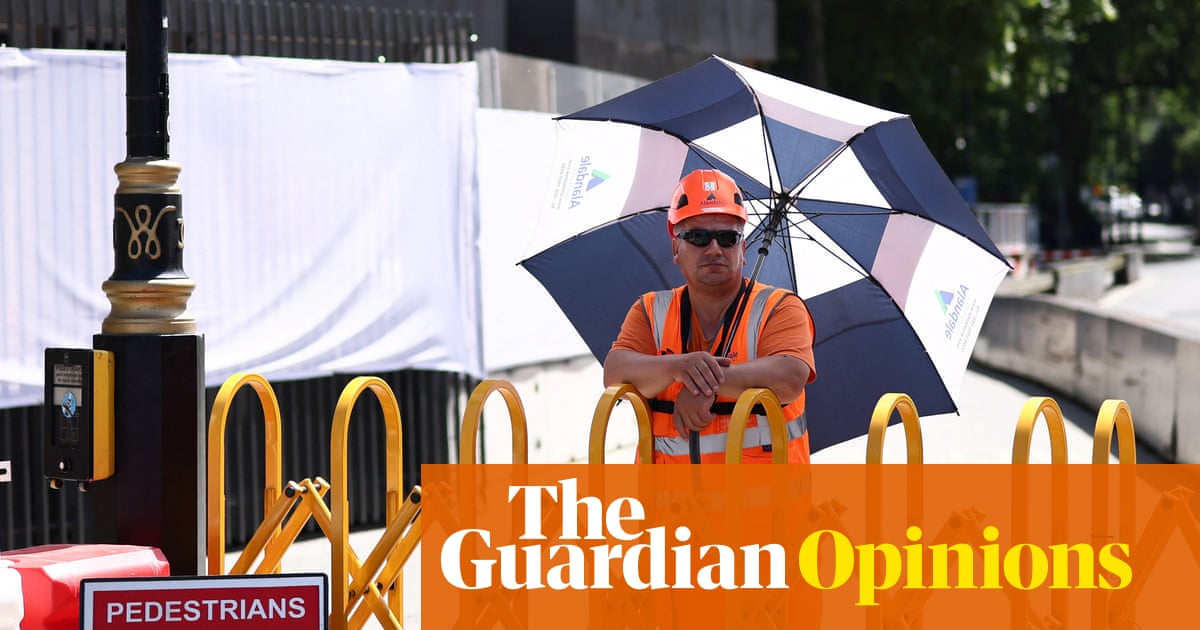
The article details a strike by Arriva bus drivers in North London, protesting extreme heat in their cabs due to inadequate cooling systems. It argues that while politicians like Andy Burnham focus on the cost of living, millions of workers are facing immediate health risks from rising temperatures, a problem exacerbated by insufficient corporate investment in protective measures.
Imagine it's super hot outside, like a really sunny summer day, and you have to work inside a stuffy bus or outside all day. Some bus drivers in London are striking because their buses are like ovens, making them sick. It's like when you're playing outside and get too hot, but they can't just stop. This story is about how the hot weather, caused by climate change, is making it hard and dangerous for people to do their jobs, and how some companies and leaders aren't doing enough to help.
Analysis
The ongoing bus drivers' strike in London serves as a stark illustration of how the climate crisis is directly impacting the UK's workforce and economy. While political discourse often centers on broader economic indicators, the immediate reality for many, particularly those in physically demanding jobs, is one of deteriorating working conditions due to extreme heat. This situation underscores a significant gap in corporate responsibility and governmental policy regarding climate adaptation in the workplace.
Arriva
The transport giant Arriva is at the center of the current dispute, with over 1,500 drivers initiating 26 stoppages through October. Unite, the union representing these drivers, highlights that most of Arriva North London’s buses are equipped with outdated air cooling systems, not proper air conditioning, leading to cab temperatures soaring to 40C or higher during recent heatwaves. Despite Arriva reporting a pre-tax profit of £133m, the union claims the company has been slow to implement effective solutions, with drivers experiencing heat exhaustion, heatstroke, and dehydration.
Management at Arriva insists it has introduced short-term measures and is investing in longer-term fixes, including cab air-conditioning upgrades and new fleet investment. However, the strike action suggests these efforts are either insufficient or too slow to address the immediate dangers faced by workers. The company's alleged restrictions on drivers speaking to the media further complicate transparency regarding the severity of the issue.
Barcelona
The article draws a parallel to the tragic case of Montse Aguilar, a 51-year-old street cleaner in Barcelona who died after collapsing from heatstroke following a workday in 35C temperatures. Her death sparked protests, with banners declaring "Extreme heat is also workplace violence," and demands for better summer workwear and more breaks. Despite Spain's comparatively stringent heat regulations, unions continue to point out gaps in the system.
In response, Barcelona authorities distributed about 1,400 temperature-monitoring bracelets to outdoor staff, which alert wearers when they are at risk and require them to stop working. This proactive measure, while a step forward, still faces union scrutiny, suggesting that even in regions with established heat protocols, comprehensive protection remains a challenge. The city council's failure to recognize Aguilar's death as a workplace accident further highlights the systemic issues in acknowledging and addressing climate-related occupational hazards.
Andy Burnham
The article critically notes that Andy Burnham, the new Prime Minister, has "barely acknowledged the climate crisis," preferring to focus on the cost of living. This political stance is contrasted sharply with the lived experience of Britain’s workers, who lack the luxury of ignoring the climate's immediate impact. The piece argues that while the cost of living is a crucial issue, it cannot be divorced from the escalating costs and health risks imposed by a warming planet on the workforce.
The disconnect between political priorities and the on-the-ground realities for workers like nurses, builders, and bus drivers is a central theme. The Royal College of Nursing reports members collapsing from heat, and research shows 44% of construction workers experiencing heat-related illnesses, with 57% receiving no compulsory training. This suggests a systemic failure at both corporate and governmental levels to implement protective investments and policies that address the "searing inevitabilities of the future" that are already present realities.
Key points
- London bus drivers are striking over dangerously hot working conditions due to inadequate air conditioning on buses.
- The union Unite reports drivers experiencing heat exhaustion, heatstroke, and dehydration, while Arriva, the employer, made £133m in pre-tax profit.
- The article criticizes politicians like Andy Burnham for not adequately acknowledging the climate crisis's immediate impact on workers.
- Similar issues affect nurses and construction workers, with many reporting heat-related illnesses and lack of training.
- A street cleaner in Barcelona died from heatstroke, prompting protests and the introduction of temperature-monitoring bracelets for outdoor workers.
The ongoing strikes and increased public awareness could pressure companies and governments to invest more significantly in climate adaptation measures for workplaces, leading to improved safety standards and better working conditions for employees. Proactive steps, like Barcelona's temperature-monitoring bracelets, could become more widespread, protecting workers from heat-related illnesses.
Without adequate policy changes and corporate investment, workers will continue to face severe health risks from extreme heat, potentially leading to more widespread strikes, reduced productivity, and a rise in workplace accidents and fatalities. Companies might prioritize short-term profits over worker safety, exacerbating the problem as global temperatures continue to rise.