Andy Burnham implores cabinet to examine ‘all possible ways’ to tackle cost of living crisis
Burnham is pushing cabinet to ease living costs, but questions are mounting over how his VAT cut, defence plans and social care pledge will be funded.
Intelligence analysis by GPT-5.4 Mini
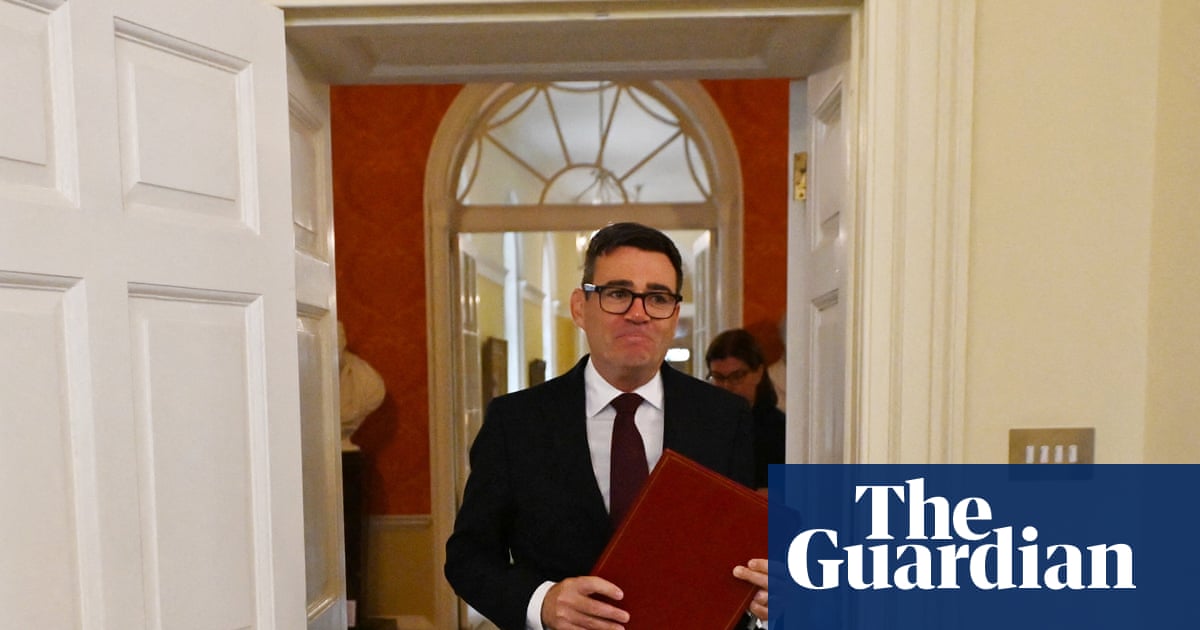
Burnham is casting his government as a cost-of-living operation, with cheaper electricity bills and faster social care reform as early markers. The article’s core tension is whether those promises can survive the limits of existing borrowing and spending plans.
Burnham wants to make everyday life cheaper, like lowering the price of a family’s electric bill. But he still has to find the money for his plans, so the hard part is not only helping people, but also paying for it.
Analysis
Turning relief into a governing identity
Burnham is not just announcing policies; he is trying to define the whole government around a single promise. By telling ministers to look at “all possible ways” to reduce living costs, he is framing the cabinet as an active delivery machine rather than a place for internal management.
That matters because the article suggests a deliberate political reset. The focus on cheaper bills, visible action, and a “cost of living government” gives him a simple public message, but it also raises the standard for everything that follows: every department is now being asked to justify itself through the lens of household pressure.
The numbers problem behind the headlines
The immediate challenge is that the biggest early move already has a price tag. Removing VAT from electricity bills is presented as a real cut for households, but the article says it will cost £850m next year, and the government’s own explanation leaves future years dependent on existing departmental budgets.
That leaves the policy vulnerable to the oldest problem in politics: a popular promise can be easy to announce and hard to sustain. The criticism from Darren Jones underscores that point, because the article makes clear the funding for the scrapped digital ID scheme had not yet been identified, weakening the claim that one policy neatly pays for another.
Social care as the harder, longer fight
The social care plan may become the most consequential test of all because it goes beyond a short-term bill cut and into structural reform. The Guardian reports that Burnham wants to accelerate Louise Casey’s review and bring options forward sooner, including a national service funded by taxes or a social insurance model with capped costs.
That is politically significant because the article also notes how previous efforts ran into a backlash over a potential “death tax.” In other words, the government may be trying to move faster, but the same question still hangs over the project: if care is to become more secure and universal, who pays, and how much public resistance will that trigger when the answer is made explicit?
Key points
- Burnham told his cabinet to search for “all possible ways” to bring down living costs.
- The government has removed VAT from electricity bills, cutting the price cap by £45 next year at a cost of £850m.
- Questions remain over how the VAT cut and defence spending will be paid for in future years.
- Burnham is also moving to speed up the social care review and may bring forward options for a national care service.
- The article says any social care funding model is likely to face political backlash.
If the money can be found within the rules, households could get some real relief from lower electricity bills while social care reform moves forward sooner. The government could also build trust by showing that its cost-of-living message comes with concrete action. If ministers identify savings without major cuts elsewhere, the plan could look disciplined rather than reckless. That would help Burnham present the government as both compassionate and financially credible.
If funding does not materialize, the VAT cut and defence plans could force spending cuts in other departments or later tax rises. That would weaken the government’s claim that it can lower living costs without making trade-offs. Social care could also become a political trap if the funding model is seen as unfair or as a revived form of a “death tax.” The article suggests that backlash could delay reform and damage the government’s credibility before the election.