Anger over suicide, IIT Delhi constitutes 5-member panel to probe student death
IIT Delhi has constituted a five-member External Inquiry Committee to investigate the circumstances leading to the death of MSc Physics student Rishikesh Kumar. The committee includes former Uttarakhand DGP and IIT Delhi alumnus Ashok Kumar, AIIMS New Delhi psychiatry dep…
Intelligence analysis by Llama
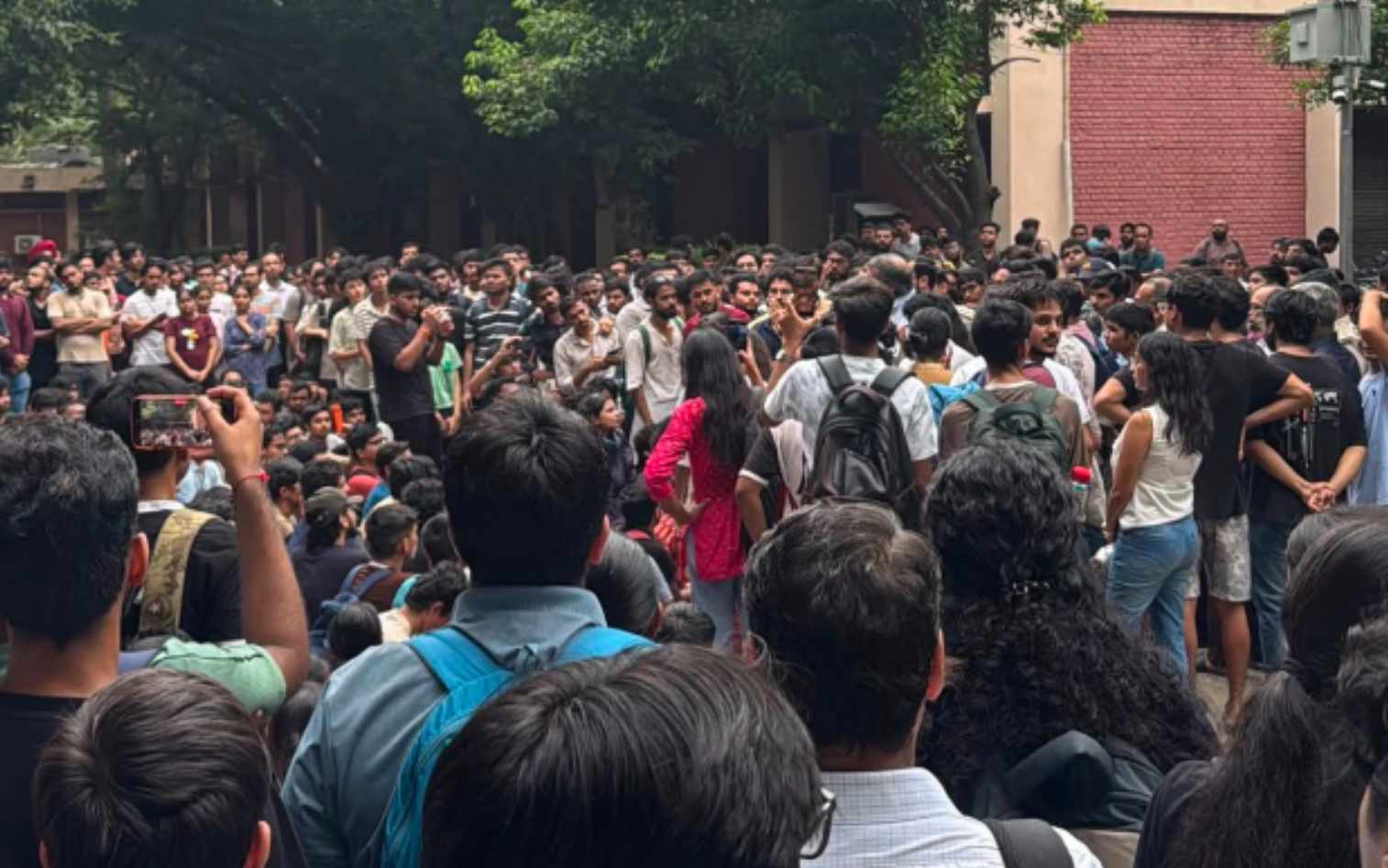
IIT Delhi has formed a five-member panel to probe the death of a 31-year-old MSc Physics student who allegedly died by suicide after jumping from the sixth floor of a building on campus. The committee will investigate the circumstances leading to the death and review relevant records before making recommendations.
IIT Delhi has formed a special team to investigate the death of a student who jumped from a building on campus. The team will look into what happened and make recommendations to prevent similar incidents in the future.
Analysis
IIT Delhi's Response to Student Death: A Five-Member Panel to Probe Circumstances
The Indian Institute of Technology (IIT) Delhi has taken a significant step in addressing the concerns of its students by constituting a five-member External Inquiry Committee to investigate the circumstances leading to the death of MSc Physics student Rishikesh Kumar. The committee, comprising former Uttarakhand DGP and IIT Delhi alumnus Ashok Kumar, AIIMS New Delhi psychiatry department head Prof Pratap Sharma, two student representatives, and the institute’s Registrar, will review relevant records and make recommendations to ensure that such incidents do not recur in the future.
The formation of the panel is a significant development in the wake of the student's death, which has sparked outrage and demands for accountability from the administration. The committee's mandate is to investigate the circumstances leading to the death, review relevant records, and make recommendations to prevent similar incidents in the future. This move is a testament to the institute's commitment to providing a safe and supportive environment for its students.
The Need for Transparency and Accountability
The student's death has raised questions about the institute's handling of the situation and the need for greater transparency and accountability. The formation of the panel is a step in the right direction, as it acknowledges the need for a thorough investigation into the circumstances leading to the student's death. The committee's recommendations will be crucial in ensuring that the institute takes concrete steps to prevent similar incidents in the future.
The Role of the Committee in Preventing Future Incidents
The five-member panel will play a crucial role in preventing future incidents by identifying the root causes of the student's death and making recommendations to address them. The committee's findings will be instrumental in shaping the institute's policies and procedures to ensure that students feel safe and supported on campus. The panel's recommendations will also help to build trust between the institute and its students, which is essential for creating a positive and supportive learning environment.
Key points
- IIT Delhi has formed a five-member panel to probe the death of a 31-year-old MSc Physics student.
- The committee will investigate the circumstances leading to the student's death and review relevant records.
- The panel's recommendations will be crucial in ensuring that the institute takes concrete steps to prevent similar incidents in the future.
- The formation of the panel is a significant development in the wake of the student's death, which has sparked outrage and demands for accountability from the administration.
The formation of the panel is a positive step towards ensuring that students feel safe and supported on campus. If the committee's recommendations are implemented, it could lead to a more supportive and inclusive environment for students.
However, the committee's findings may also reveal systemic issues within the institute that need to be addressed. If the institute fails to implement the recommendations, it could lead to further mistrust and dissatisfaction among students.