Anmol Pinky refuses to own WhatsApp voice notes, messages
Anmol, alias Pinky, denied that WhatsApp messages and call recordings presented by police were hers during a Karachi court hearing.
Intelligence analysis by GPT-5.4 Mini
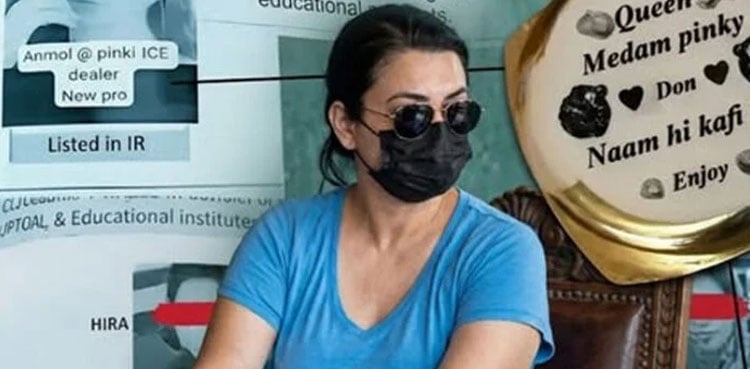
In a Karachi narcotics case, the accused known as Anmol alias Pinky denied voice notes, calls, and WhatsApp messages shown by police, saying the voice was not hers. Police have asked the court to send the audio and related digital evidence for forensic testing.
A woman accused in a crime case says the phone voice notes police showed her are not hers. The police want experts to check the voice, like matching a fingerprint, so a court can decide who is telling the truth.
Analysis
What happened
ARY News reports that a Judicial Magistrate at the City Court heard narcotics and other serious cases against the accused identified as Anmol, alias Pinky. During the investigation, police played alleged voice recordings, call records, and voice messages to her.
Her response
According to the report, she refused to accept the material as evidence against her. She said the voice was not hers and claimed she was being falsely implicated. The article says she denied ownership of the WhatsApp messages, call recordings, and voice notes shown by police.
Police next step
After that denial, police filed a formal petition in court asking that the voice recordings, call data, and other digital evidence be sent to the Punjab Forensic Science Agency for scientific analysis. The report says police believe a voice-matching report from the lab would help establish whether the recordings belong to Anmol alias Pinky.
Why this matters
This is a straightforward example of how digital evidence and forensic testing can shape a criminal case. The article does not describe the full underlying narcotics allegations, but it makes clear that the dispute now centers on whether the audio evidence can be scientifically tied to the accused. If the forensic report supports police claims, it could strengthen the prosecution’s case. If it does not, the defense gains a stronger basis to challenge the evidence.
Key points
- Anmol alias Pinky denied that the WhatsApp voice notes and messages shown by police were hers.
- Police said the accused was confronted with voice recordings, call records, and voice messages during interrogation.
- The accused claimed she was being falsely implicated and said the voice did not belong to her.
- Police filed a petition asking the court to send the digital evidence to the Punjab Forensic Science Agency.
- The case now hinges partly on whether forensic analysis can link the recordings to the accused.
If the forensic lab confirms the voice match, the case could move forward on firmer evidence rather than argument alone. That would help the court decide the matter using scientific analysis instead of just competing claims.
If the voice analysis does not clearly match, the police case could weaken and the digital evidence may face serious challenge in court. The dispute may also drag on if the forensic process takes time or remains inconclusive.