Antibiotics use in livestock could rise by a third in next 15 years, UN report warns
UN estimates say livestock antibiotic use could rise 30% by 2040 without intervention, worsening resistance and costs.
Intelligence analysis by GPT-5.4 Mini
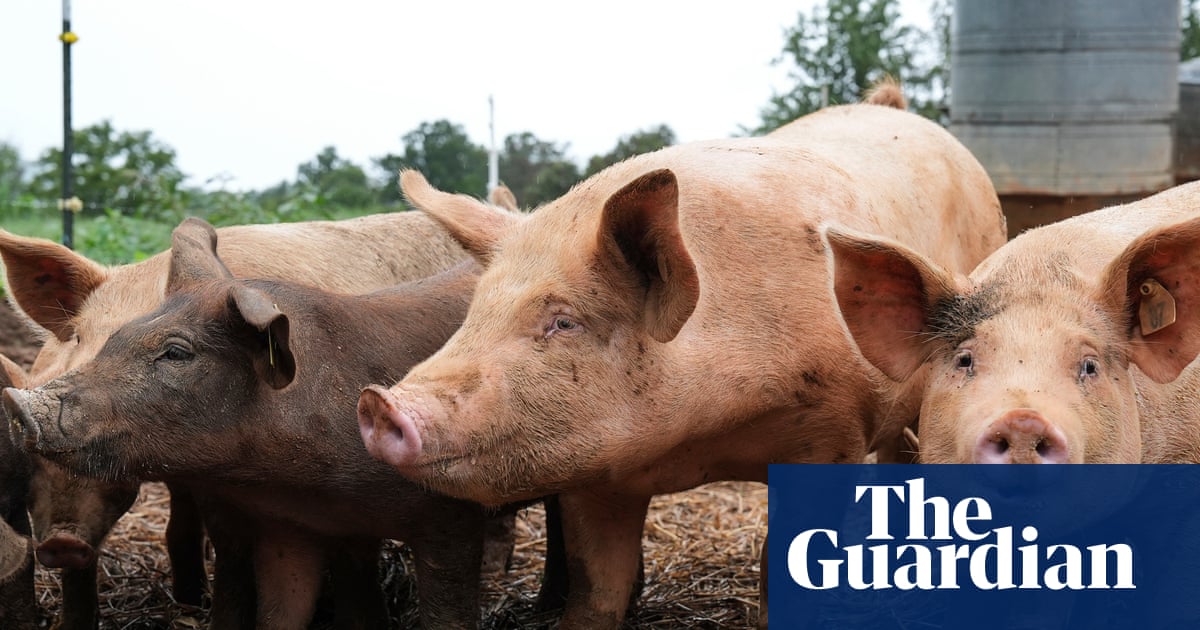
A FAO report warns that rising meat demand and weak regulation could push antibiotic use in livestock up by nearly a third by 2040. The paper says the economic and public-health costs of antimicrobial resistance could far exceed the cost of phasing out growth promoters.
This is about keeping animal medicine from being used too much, like giving a whole classroom painkillers every day just to make them grow faster. The report warns that could make germs stronger and make food, farms, and hospitals more expensive later.
Analysis
The forecast
The UN Food and Agriculture Organization says current trends could push annual antibiotic use in livestock to more than 143,000 tonnes by 2040. That would be about 30% higher than 2019 and above the previous peak reached in 2013. The report links the rise to growing global meat demand, weak monitoring in many countries, and the return of antibiotics for growth promotion in some production systems.
The economic risk
The article says animal husbandry already accounts for close to three-quarters of global antimicrobial use. The FAO and campaigners argue that this matters because higher use helps drive antimicrobial resistance, which makes drugs less effective over time. The Guardian cites estimates that AMR already costs Europe about €11bn a year and could cost $1tn globally by 2050. The report also says livestock losses alone could reach a cumulative $318bn by 2040 if resistance worsens, compared with a maximum $53bn cost to phase out growth promoters.
Policy and trade pressure
The piece says some progress has already been made, with overall farming antibiotic tonnage down about a third from its 2013 peak. But those gains are under pressure from lax regulation and demand growth. The EU and UK have banned growth-promotion use since 2006, yet imports have still been allowed in some cases. From September, the EU will ban imports of meat, dairy and eggs produced with antibiotics as growth promoters. Campaigners quoted in the article say the UK should adopt similar rules and use the EU’s move to push higher standards abroad.
Key points
- FAO says livestock antibiotic use could reach more than 143,000 tonnes a year by 2040.
- That would be about a 30% rise from 2019 and above the previous 2013 peak.
- The article says antimicrobial resistance already costs Europe about €11bn a year and could cost $1tn globally by 2050.
- Campaigners argue better regulation and healthier farming systems can reduce the need for growth-promoter antibiotics.
- The EU is tightening import rules, adding pressure on exporters and the UK to align standards.
The report says the rise is not inevitable. If farmers are taught more efficient methods and governments tighten rules, antibiotic use could fall or stay contained, reducing pressure for resistant bugs to spread. The article also points to the EU’s tighter import rules as a possible way to push standards higher in other countries.
If current trends continue, livestock antibiotic use could keep climbing and make resistance worse, raising production losses and food prices. The article warns that the longer this continues, the harder it becomes to protect key medicines, with routine treatment and surgery becoming riskier.