Apalachee High School shooter sentenced to life without parole
Colt Gray, the Georgia teenager who admitted to killing four people in the 2024 shooting at Apalachee High School, will spend the rest of his life in prison without the possibility of parole.
Intelligence analysis by Llama
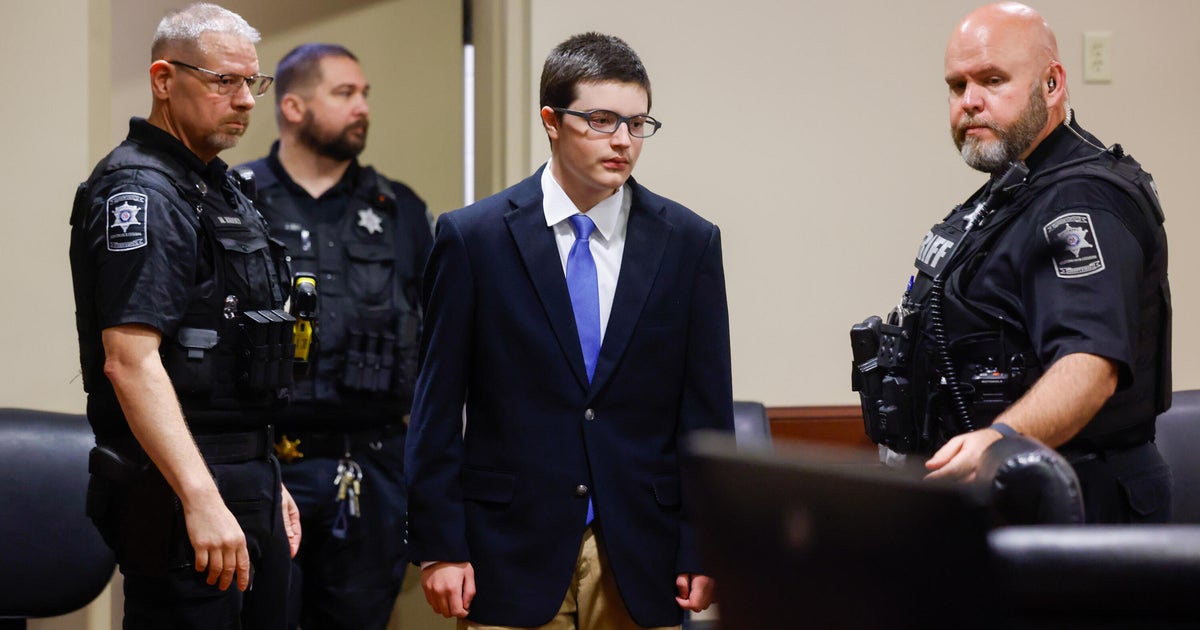
A 14-year-old Georgia teenager who killed four people and wounded another at his high school has been sentenced to life without parole. The judge said the teen's actions were motivated by a desire for infamy and that he had studied the trials of other mass shooters.
A 14-year-old boy named Colt Gray killed four people and hurt another at his high school. He was sentenced to life in prison without the possibility of parole. The judge said that Gray's actions were motivated by a desire for fame and that he had studied the trials of other mass shooters.
Analysis
A Life Sentence for a Life of Trauma
Colt Gray, the 14-year-old who killed four people and wounded another at Apalachee High School, has been sentenced to life without parole. The sentence is a culmination of a three-day hearing that saw survivors, victims' families, investigators, and mental health experts testify about Gray's actions and motivations.
The judge, Nicholas Primm, imposed the sentence after hearing testimony from the defense that Gray's actions should be viewed through the lens of years of trauma, neglect, and untreated mental illness. Forensic psychologist Dr. Kevin Richards testified that Gray grew up amid financial instability, conflict between his parents, and repeated upheaval at home. Richards said Gray became increasingly isolated, immersed himself in online communities centered on school shootings, and exhibited symptoms of anxiety, depression, and paranoia.
The defense argued that Gray's actions were a cry for help, a desperate attempt to escape the pain and trauma he had endured. They pointed to Gray's history of mental illness, including a diagnosis of an unspecified personality disorder, and his treatment with Zoloft. They also highlighted Gray's progress in custody, including his participation in therapy and his efforts to rebuild relationships with his family.
However, the prosecution argued that Gray's actions were deliberate and extensively planned. They presented evidence of Gray's fascination with previous mass shooters, including Nikolas Cruz, and his detailed plans for the attack. They also highlighted Gray's attempts to stage 'Easter eggs' and references to other shooters in anticipation of his trial.
The judge ultimately agreed with the prosecution, saying that Gray's actions were motivated by a desire for infamy and that he had studied the trials of other mass shooters. The judge also noted that Gray's sentence was not a reflection of his youth, but rather a recognition of the severity of his crimes.
The Impact of Mass Shootings
The Apalachee High School shooting is a stark reminder of the devastating consequences of mass shootings. The victims' families described the lasting trauma left by the shooting, remembering the four victims and detailing how their deaths continue to affect parents, siblings, classmates, and the broader Barrow County community.
The shooting also highlights the importance of addressing the root causes of such violence. The defense argued that Gray's actions were a cry for help, a desperate attempt to escape the pain and trauma he had endured. They pointed to Gray's history of mental illness and his treatment with Zoloft. They also highlighted Gray's progress in custody, including his participation in therapy and his efforts to rebuild relationships with his family.
However, the prosecution argued that Gray's actions were deliberate and extensively planned. They presented evidence of Gray's fascination with previous mass shooters and his detailed plans for the attack. They also highlighted Gray's attempts to stage 'Easter eggs' and references to other shooters in anticipation of his trial.
The Road Ahead
The sentencing of Colt Gray marks the end of a long and difficult process for the victims' families and the community. However, it also raises important questions about the root causes of mass shootings and the importance of addressing mental illness and trauma. As the nation continues to grapple with the aftermath of the Apalachee High School shooting, it is clear that there is still much work to be done to prevent such tragedies from occurring in the future.
Key points
- Colt Gray, a 14-year-old Georgia teenager, was sentenced to life without parole for killing four people and wounding another at Apalachee High School.
- The judge said that Gray's actions were motivated by a desire for infamy and that he had studied the trials of other mass shooters.
- The defense argued that Gray's actions were a cry for help, a desperate attempt to escape the pain and trauma he had endured.
- The prosecution argued that Gray's actions were deliberate and extensively planned.
The sentencing of Colt Gray may bring some closure to the victims' families and the community. However, it also highlights the importance of addressing the root causes of mass shootings and the need for mental health support and resources.
The Apalachee High School shooting is a stark reminder of the devastating consequences of mass shootings. The victims' families will continue to struggle with the trauma and pain left by the shooting, and the community will need to come together to support them.