Appeals court denies Biden bid to block release of tapes with biographer for now
A federal appeals court denied a bid from former President Joe Biden to keep the Justice Department from giving a conservative think tank redacted transcripts and audio recordings of conversations he had with his biographer roughly a decade ago.
Intelligence analysis by Llama
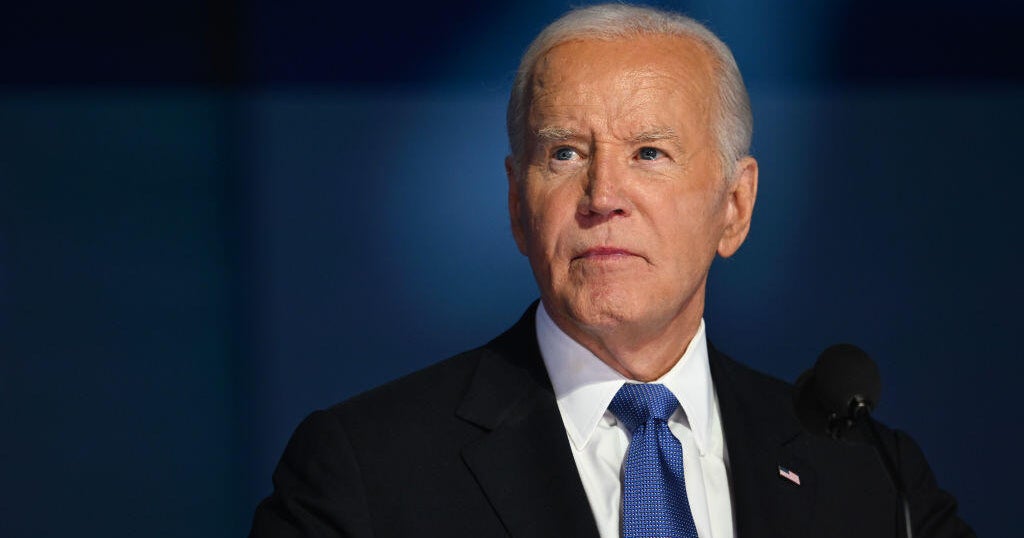
A federal appeals court denied a bid from former President Joe Biden to keep the Justice Department from giving a conservative think tank redacted transcripts and audio recordings of conversations he had with his biographer roughly a decade ago. The court ruled that the public interest in disclosure outweighs Biden's privacy interest.
Imagine you're writing a book about your life, and you record conversations with your friend who's helping you write it. Later, someone asks for those recordings, but you don't want them to be shared with the public. A court has to decide whether to let them be shared or not. In this case, the court decided that the public has a right to know what's in those recordings, even if it's private information about you.
Analysis
A $60B Vote of Confidence
The decision by the U.S. Court of Appeals for the District of Columbia Circuit to deny former President Joe Biden's bid to block the release of redacted transcripts and audio recordings of conversations he had with his biographer roughly a decade ago has significant implications for the balance between public interest and personal privacy in the release of government records. The court's ruling that the public interest in disclosure outweighs Biden's privacy interest sets a precedent for the release of government records, even if they contain sensitive information about individuals. This decision has far-reaching implications for the way government records are handled and released in the future.
Why Cursor?
The court's decision to deny Biden's bid to block the release of the transcripts and audio recordings was based on the fact that the recordings were obtained by the government in the course of a criminal investigation that did not lead to an indictment. The court found that the public interest in disclosure outweighs Biden's privacy interest, as the recordings would bear on understanding and assessing the Special Counsel's investigation and his ultimate decision. This decision highlights the importance of transparency in government and the need for government records to be released in a timely manner.
The Road Ahead
The decision by the U.S. Court of Appeals for the District of Columbia Circuit to deny former President Joe Biden's bid to block the release of redacted transcripts and audio recordings of conversations he had with his biographer roughly a decade ago has significant implications for the balance between public interest and personal privacy in the release of government records. The court's ruling that the public interest in disclosure outweighs Biden's privacy interest sets a precedent for the release of government records, even if they contain sensitive information about individuals. This decision has far-reaching implications for the way government records are handled and released in the future.
Key points
- A federal appeals court denied a bid from former President Joe Biden to keep the Justice Department from giving a conservative think tank redacted transcripts and audio recordings of conversations he had with his biographer roughly a decade ago.
- The court ruled that the public interest in disclosure outweighs Biden's privacy interest.
- The decision has implications for the balance between public interest and personal privacy in the release of government records.
- The court's ruling sets a precedent for the release of government records, even if they contain sensitive information about individuals.
The decision by the U.S. Court of Appeals for the District of Columbia Circuit to deny former President Joe Biden's bid to block the release of redacted transcripts and audio recordings of conversations he had with his biographer roughly a decade ago may lead to greater transparency in government and the release of government records in a timely manner.
The decision by the U.S. Court of Appeals for the District of Columbia Circuit to deny former President Joe Biden's bid to block the release of redacted transcripts and audio recordings of conversations he had with his biographer roughly a decade ago may lead to the premature release of sensitive information about individuals, potentially causing harm to their privacy and reputation.