Arbaeen theater festival to showcase diverse live plays along pilgrimage route
Iran's 10th Arbaeen Pilgrimage International Theater Festival will stage 13 live works at route stops, Najaf, and Karbala from July 25 to August 5.
Intelligence analysis by GPT-5.4 Mini
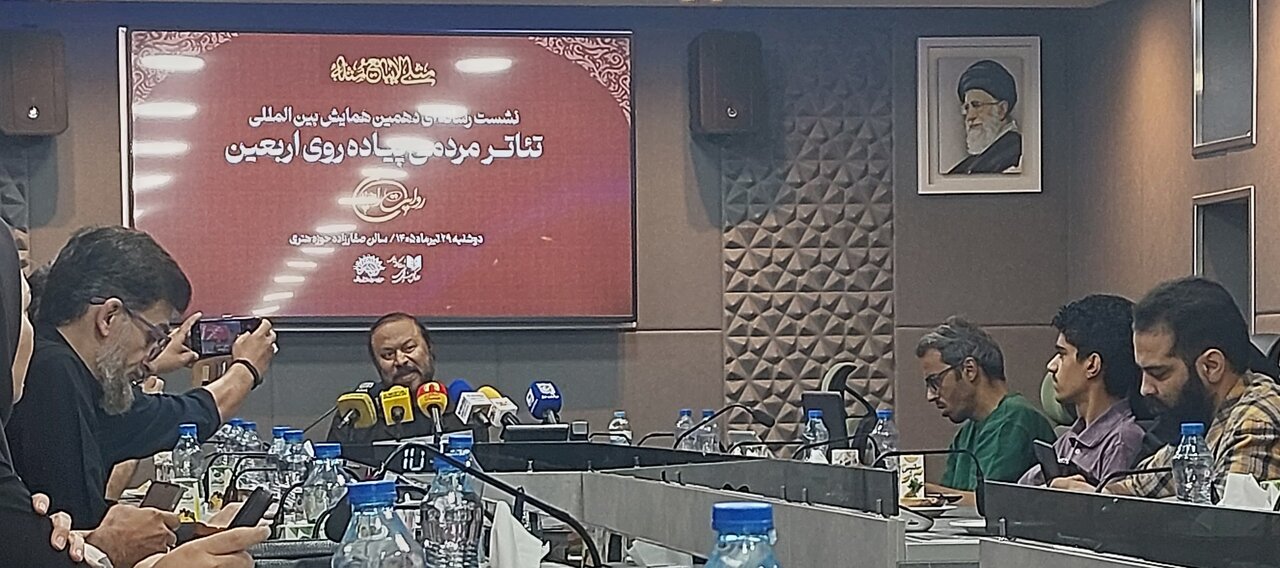
The festival is expanding its footprint along the Arbaeen pilgrimage route with live Iranian performances in several genres, while leaning on new institutional backing and volunteer artists. Organizers frame the event as both a cultural project and a spiritual service.
This festival is like a traveling stage set up along a giant walk to a holy city. Actors will perform live stories from Iranian tradition, so pilgrims can watch shows while they travel.
Analysis
Live Theater as Ritual Service
The festival’s central idea is not just to entertain pilgrims, but to place performance inside a shared act of mourning and devotion. That matters because it turns theater into something closer to public service than a stand-alone cultural product, especially when organizers describe the artists’ participation as a spiritual offering.
The choice of formats also reflects that ambition. Tazieh, naqqali, street theater, and puppetry each carry strong links to Iranian performance traditions, which makes the festival feel rooted in local culture rather than imported festival programming. By emphasizing live performances on the pilgrimage route, the organizers are also setting Iranian troupes apart from some of the pre-recorded programs they say appear elsewhere along the route.
Why the Festival Stayed Local This Year
One of the clearest signals in the article is the lack of foreign troupes in this edition. Zarei says earlier years saw strong international submissions, but this year’s entries did not meet the required technical and artistic standards. That explanation keeps the story focused on quality control, but it also shows how fragile international participation can be when funding, logistics, and standards all tighten at once.
The article also points to practical strain. Transportation and logistics inside Iraq have become more expensive, and the performances this year are limited to Persian and Arabic because of war conditions and financial constraints. That combination suggests the festival is growing in ambition while operating under real limits, which often forces cultural events to narrow their language and scope even when their messaging stays expansive.
A Small Cultural Network With Bigger Ambitions
Despite the local constraints, the organizers are clearly thinking beyond one year’s program. Motorchi says the repertoire is updated annually to reflect current events in the Islamic world, and Zarei talks about building a network among theater artists across Islamic nations. In other words, this is being framed as infrastructure for future exchange, not just a seasonal lineup of plays.
That ambition is the most important strategic detail in the article. If the festival can keep expanding performance sites, secure institutional partners, and maintain live programming along the pilgrimage route, it may become a recurring cultural hub attached to Arbaeen itself. The upside is a durable platform for shared religious and artistic language; the risk is that cost pressures and uneven submissions keep the event from matching its own aspirations.
Key points
- Thirteen theatrical works were selected for the 10th edition of the festival.
- Performances will run at ten points along the Arbaeen route, plus Najaf and Karbala.
- The lineup includes tazieh, naqqali, street theater, and puppetry.
- All participating groups are said to be performing without payment as a spiritual offering.
- No foreign groups will take part this year because the submitted entries did not meet standards.
If the new institutional support holds, the festival could become a larger and more reliable part of the Arbaeen pilgrimage experience. Its live performances and mix of traditional forms could also help build stronger cultural ties among pilgrims and artists.
The festival still faces heavy pressure from higher transport costs, logistics in Iraq, and limited funding. If those problems grow, the event could stay smaller than planned and lose the international reach the organizers want.