Are Microsoft's AI plans being held back by a shortage of chips?
A Guardian investigation finds Microsoft's installed AI chip count of 2.2m falls short of the figures implied by its own datacentre capacity claims, raising questions about the pace of its $280bn AI buildout.
Intelligence analysis by Llama
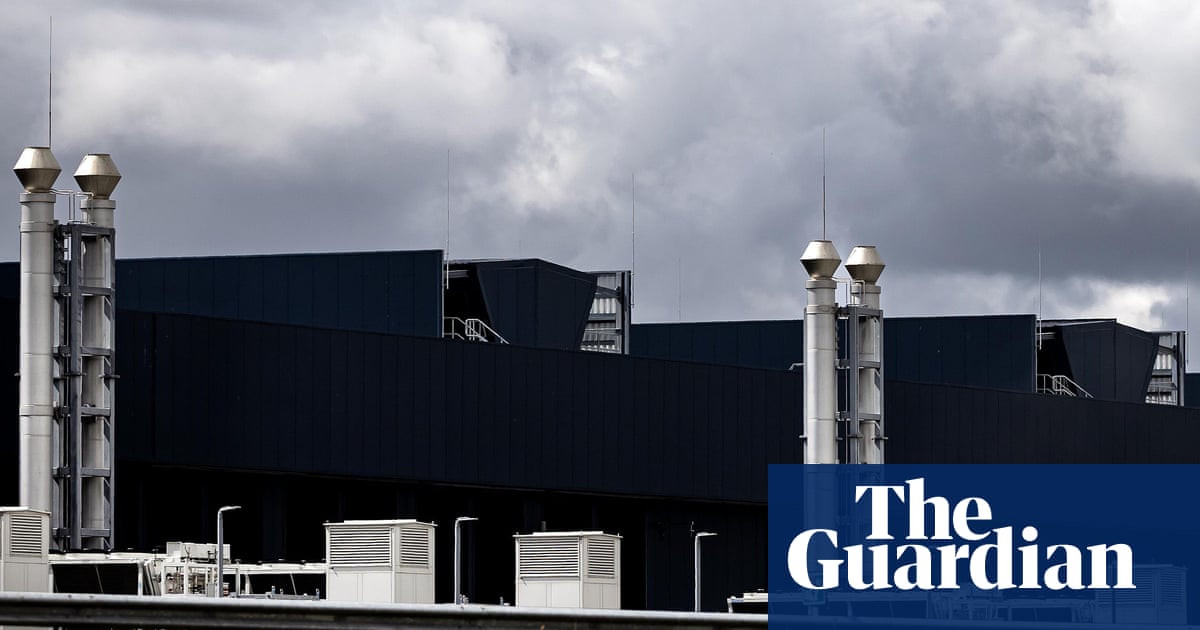
Internal documents seen by the Guardian show Microsoft with 2.2m AI chips installed against a reported 1.8m end-2024 target, well below the roughly 6.4m GPUs that its claimed 10GW of datacentre capacity would imply, prompting scrutiny from analysts and academics.
Microsoft promised to build giant computer factories for AI, but a check found only about 2.2 million of the special Nvidia chips inside, not the many millions its own building plans seem to suggest. It is like saying you built a huge LEGO castle but only having a third of the bricks you need to finish it.
Analysis
2.2 million installed AI chips
The headline figure in the Guardian's investigation is that Microsoft had 2.2m AI chips installed in its datacentres as of mid-2026, according to internal documents seen by reporters. That exceeds the company's reported target of 1.8m by the end of 2024, but falls dramatically short of what its own public statements about datacentre capacity would imply.
Microsoft says it added 5GW of datacentre capacity over the past two years, and a 2024 internal presentation reportedly put installed capacity at 5GW already, suggesting a total near 10GW. At industry-standard ratios, 10GW of AI capacity would require roughly 6.4m GPUs — nearly three times the 2.2m figure documented. Microsoft pushed back on the calculations but did not specify which numbers were wrong, and sources inside the company told the Guardian that the total AI chip count has "barely moved" over the past year.
Shaolei Ren's sustainability report analysis
Shaolei Ren, a professor at the University of California, Riverside, argued that Microsoft's sustainability reports — audited by third parties and filed separately from its financial statements — offer a more credible read on capacity than corporate announcements. He said those reports suggested Microsoft's AI capacity in 2024 was probably closer to 1.2GW rather than 5GW.
Even accepting the lower 1.2GW figure, the 5GW added in the past two years would still imply a need for roughly 4m AI chips. The gap between that figure and the 2.2m actually documented remains substantial, and it reflects a wider opacity in the AI buildout: as Ren put it, "It may be plausible to secure or announce 1GW of power capacity within a single quarter on paper. But bringing that capacity online and actually using it for computing within the same quarter would be far more difficult."
Satya Nadella's 2027 doubling pledge
Chief executive Satya Nadella said last year Microsoft would double its global datacentre footprint by mid-2027, against the backdrop of roughly $280bn ploughed into land, buildings and computational infrastructure since 2022, including more than $41bn in the most recent quarter. The Guardian notes that Nvidia — the supplier of the chips in question — does not disclose how many units it sells or to whom, and its hyperscaler clients likewise keep their chip inventories opaque.
That information vacuum is central to the story. An Nvidia analyst quoted by the Guardian said the 2.2m figure was "less than I expected Microsoft would have" given its public statements. If the gap between announced and operational capacity is as wide as the documents suggest, the read-through extends beyond Microsoft to the AI capex narrative that has propped up valuations across the sector, and to the wider question of whether the buildout is genuinely delivering the compute that the market has been pricing in.
Key points
- Internal documents show Microsoft with 2.2m AI chips installed against a reported 1.8m end-2024 target, per the Guardian.
- Microsoft's claimed 10GW of datacentre capacity would imply a need for roughly 6.4m GPUs, far above the documented figure.
- UC Riverside's Shaolei Ren said audited sustainability reports suggest AI capacity in 2024 was closer to 1.2GW rather than 5GW.
- Microsoft has spent roughly $280bn on AI infrastructure since 2022, including more than $41bn in the most recent quarter.
- Nvidia does not publicly disclose chip allocations, leaving the AI buildout largely opaque to outside investors and analysts.
If the discrepancy reflects accounting and reporting lag rather than a genuine shortage, Microsoft's installed base may still scale toward the figures implied by its capacity claims, supporting the AI services revenue ramp that bulls expect. Greater disclosure from Nvidia on chip allocations could also help align investor expectations with operational reality.
If the 2.2m figure is closer to the truth, Microsoft's AI buildout is materially behind schedule, which could push out revenue recognition, compress operating margins, and weigh on the broader AI capex narrative supporting megacap tech valuations. With Nvidia declining to disclose chip allocations and Microsoft not reconciling the gap, the uncertainty itself may become a drag on sentiment.
Market signals
- MSFT The Guardian investigation suggests Microsoft's installed AI chip base is materially below the level implied by its own datacentre capacity claims, raising questions about the pace of its $280bn AI buildout.
- NVDA If hyperscaler chip inventories are lower than implied by announced capacity, near-term Nvidia demand from Microsoft and peers may be softer than the AI capex narrative has assumed.
AI-generated analysis of potential market relevance. Not financial advice.


