Are OLED TVs Still Worth The Premium In 2026?
OLED TVs are among the best you can buy, but they can often cost more than other panel technology. The answer is mostly 'yes,' but there's some nuance.
Intelligence analysis by Llama
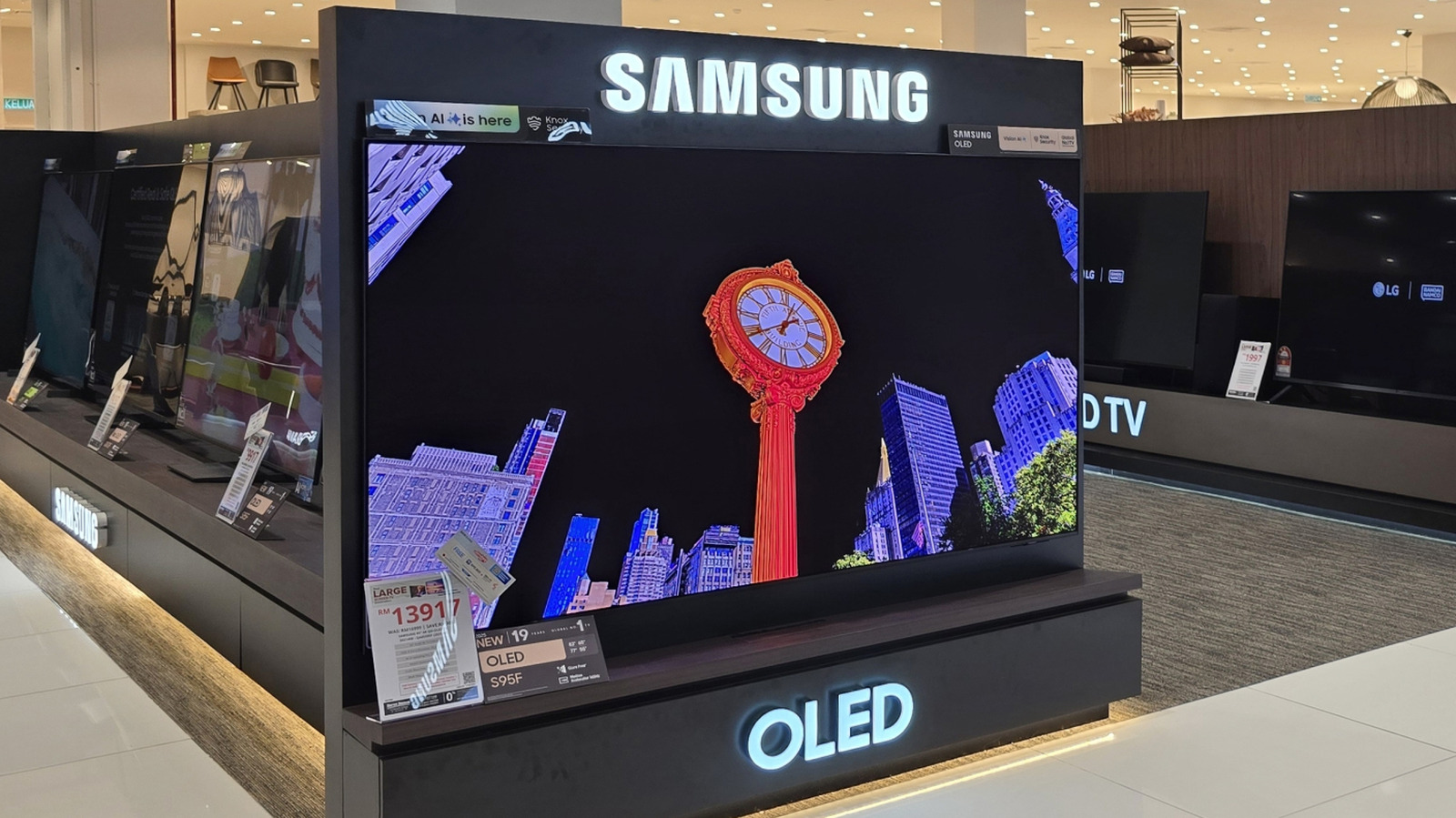
OLED TVs are worth the premium in 2026, but LCD panels have made some major advances to bring their performance closer to OLED panels.
OLED TVs are special because each pixel can light up on its own, which makes them look really good. But they can be expensive, so you might want to consider a cheaper LCD TV instead.
Analysis
A $60B Vote of Confidence
OLED TVs are among the best you can buy, and many tech experts agree that they are worth the premium in 2026. The technology is known for providing excellent color contrast with rich, inky blacks and impressive pixel response time. In fact, as OLEDs have continued to develop on the technology front, we're seeing brighter, more vibrant displays with every generation.
Why OLEDs are still worth the premium
OLEDs have a lot under the hood that makes them truly impressive screens for watching TV and movies. First, a quick rundown on how the technology actually works, because that helps explain why it might just be worth the extra money. OLED stands for 'organic light-emitting diode,' which essentially refers to the fact that each pixel in a panel produces its own light. This means that the TV selects the color profile and the lighting level for each pixel, individually. Compare that with LCDs, the other most common tech, which do not have light-producing pixels, but instead employ a separate backlight that shines through layers of light-filtering pixels.
When it's worth saving a bit of money on a different panel
The other side of that coin is that OLED panels are objectively expensive, and that may not be worth it for everyone. If you do decide to go for a mid-tier or even budget-priced LCD panel, how can they keep up with the OLED's performance? One thing manufacturers have done to bring LCDs closer to OLEDs is to give the backlight component more precision in its lighting capabilities. These are the 'local dimming zones,' we touched on above, and many premium LCDs offer a greater number of these zones so that the LCD panel can get better color accuracy and darker graphics in smaller sections of the screen.
Key points
- OLED TVs are among the best you can buy in 2026.
- OLEDs have excellent color contrast, rich blacks, and impressive pixel response time.
- LCD panels have made significant advancements and may be a more affordable option.
- OLEDs are more prone to permanent damage than LCDs.
- Image burn-in is a potential risk with OLED TVs.
If you're looking for a premium viewing experience, OLED TVs are still worth the investment in 2026. They offer excellent color contrast, rich blacks, and impressive pixel response time. However, if you're on a budget, LCD panels have made significant advancements and may be a more affordable option.
One potential downside of OLED TVs is the risk of image burn-in, which can occur if you leave static content displayed for too long. Additionally, OLED panels can be more prone to permanent damage than LCDs.
Market signals
- XAU Escalation drives safe-haven demand for gold, per the article's framing of investor reaction.
AI-generated analysis of potential market relevance. Not financial advice.


