Are Remote Car Starters Still Worth It In 2026?
Remote car starters have solved problems like scraping ice off windshields and dropping into a car seat that's been baking in a July parking lot for six hours. However, in 2026, the options look different with factory apps, subscription fees, and smartphone integration ch…
Intelligence analysis by Llama
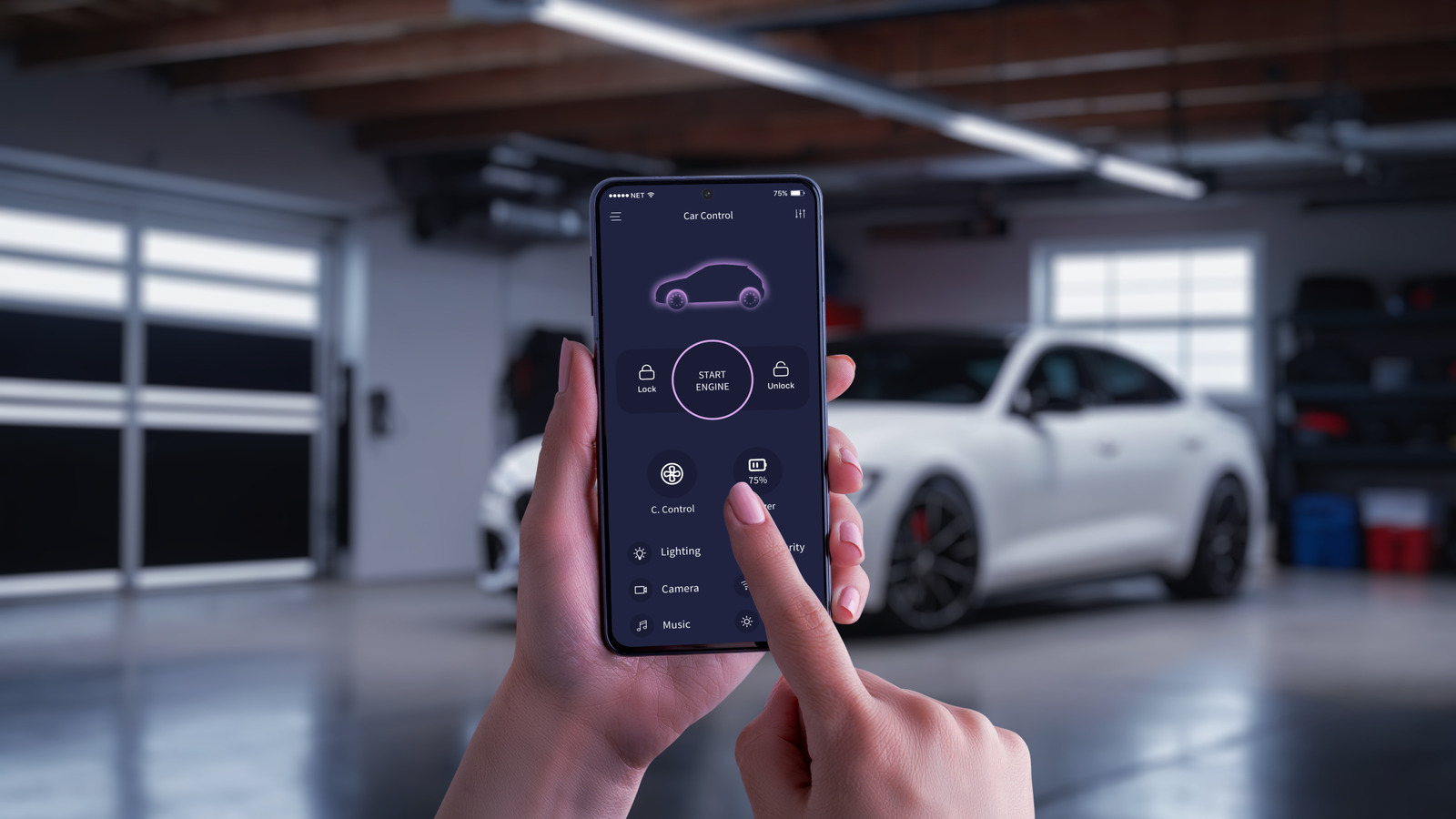
Remote car starters still offer convenience and value in 2026, but the choice between factory apps and aftermarket systems depends on the vehicle's make, model, and year. Aftermarket systems are often the only realistic path for older models, while newer vehicles may have factory remote start options.
Remote car starters are like a magic button that lets you start your car from a distance. It's like having a personal assistant who makes sure your car is comfortable and ready to go before you even get in. It's especially helpful in super cold or hot weather, and it's a one-time payment that eliminates the need for monthly fees and app subscriptions.
Analysis
A $60B Vote of Confidence
Remote car starters have been a staple in the automotive industry for decades, providing drivers with the convenience of pre-conditioning their vehicles before getting in. However, with the rise of factory apps and subscription fees, the value of these systems has become a topic of debate. In 2026, the options for remote car starters are more complex than ever, with manufacturers offering a range of solutions that cater to different needs and budgets.
Why Cursor?
One of the primary reasons remote car starters remain valuable is the functional benefit they provide. By letting the engine warm up before driving, especially in super cold weather, drivers can reduce cold-start stress on critical components. This qualifies as preventive maintenance, which is essential for extending the lifespan of a vehicle. Furthermore, the pre-conditioned cabin provides a comfortable environment for drivers, making the driving experience more enjoyable.
The Road Ahead
The choice between factory apps and aftermarket systems ultimately depends on the vehicle's make, model, and year. For newer vehicles, the decision may come down to convenience versus long-term cost. However, for older models, aftermarket systems are often the only realistic path. The cost of hardware and installation services may seem steep, but it's a one-time payment that eliminates the need for monthly fees and app subscriptions. In contrast, factory apps may offer a complimentary trial period, but subscriptions can cost between $10 and $25 per month, which is a significant expense, especially for drivers who value the feature.
In conclusion, remote car starters still offer value in 2026, but the choice between factory apps and aftermarket systems depends on individual needs and budgets. By understanding the pros and cons of each option, drivers can make an informed decision that suits their lifestyle and preferences.
Key points
- Remote car starters still offer value in 2026, despite the rise of factory apps and subscription fees.
- The choice between factory apps and aftermarket systems depends on the vehicle's make, model, and year.
- Aftermarket systems are often the only realistic path for older models, while newer vehicles may have factory remote start options.
- The cost of hardware and installation services may seem steep, but it's a one-time payment that eliminates the need for monthly fees and app subscriptions.
If the trend of offering remote car starters as a subscription service continues, it may lead to increased adoption and a wider range of options for drivers. This could result in a more convenient and enjoyable driving experience for many people.
The rise of subscription-based services for remote car starters may lead to increased costs for drivers, making it less accessible and affordable for those who need it most. This could result in a less convenient and less enjoyable driving experience for many people.


