Arrive three hours before flight home, airline boss tells UK holidaymakers
Wizz Air's UK boss says holidaymakers should allow three hours for return flights as new EU border checks cause long queues.
Intelligence analysis by GPT-5.4 Mini
Wizz Air warns UK travellers to arrive earlier at European airports because the EU's Entry Exit System is creating long passport-control waits at some borders. Airlines, airports and the European Commission disagree on how severe the problem is, but summer traffic could make it worse.
A new border system in Europe is making some airport lines much longer. It asks visitors from outside the EU to give finger prints and other details when they arrive and when they leave.
That means a family heading home after a holiday might have to wait much longer than usual. It is a bit like a school gate suddenly checking every bag one by one at the end of the day.
The airline boss says people should get to the airport earlier so they do not miss their flight. Some countries are adding more staff, but the summer rush could still make the lines worse.
Analysis
What is happening
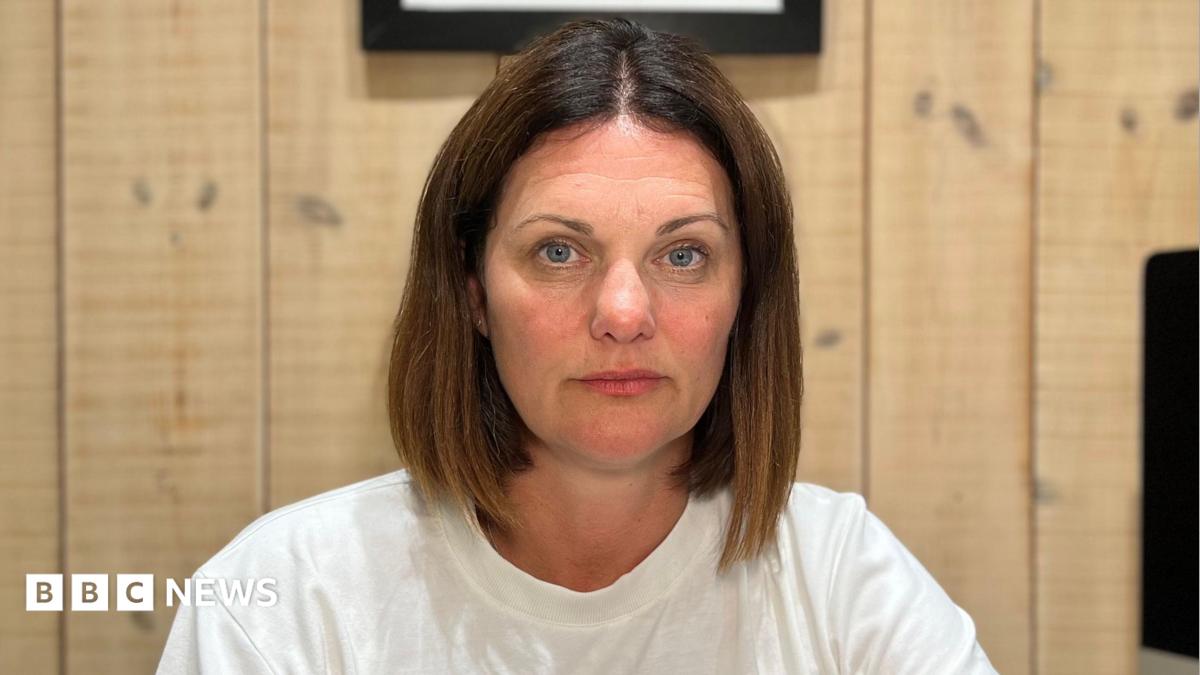
Wizz Air's UK managing director, Yvonne Moynihan, is warning British holidaymakers to treat return journeys more cautiously this summer. Her advice is to arrive at European airports three hours before departure, not the usual two, because new border procedures are causing lengthy queues at some airports.
The issue is linked to the EU's Entry Exit System, or EES, which requires travellers from outside the EU to register biometric details such as fingerprints when entering many European countries. Those details are then checked again when they leave. The system has been rolling out across the Schengen area, including airports, and is meant to be fully in use from 10 April.
How serious are the delays?
Moynihan said the impact is uneven across Europe. She described some journeys as smooth, but pointed to repeated problems at common holiday destinations including Spain, Portugal and France. She also warned that travellers should expect possible queues when leaving for the UK, because the exit checks can create another bottleneck.
ACI Europe, the airports trade body, says it surveyed 45 airports in 20 EU states and found some waits stretching to three and a half hours. It says more airports are reporting excessive delays and fears the situation could worsen as summer demand rises. By contrast, the European Commission says EES is working well at almost all border points and argues that member states must provide enough border staff.
What officials are doing
Some countries have already taken steps to reduce disruption. Greece has effectively suspended biometric checks for British citizens at its borders to avoid summer chaos. Portugal has announced 360 extra border officers for airports in July. The Commission also says temporary suspension of biometric checks can be allowed in exceptional cases until September.
The story is ultimately about the tension between tighter border control and the practical reality of moving large numbers of holidaymakers through airports quickly.
Key points
- Wizz Air's UK boss says holidaymakers should reach European airports three hours before flying home.
- The warning is tied to long queues caused by the EU's Entry Exit System border checks.
- ACI Europe says some airports are seeing waits of up to three and a half hours.
- The European Commission says the system is working well at almost all border points.
- Some countries, including Greece and Portugal, are taking steps to reduce summer disruption.