Artificial Intelligence Designs New, Replicable Viruses for First Time
Researchers at Stanford University have successfully designed new, replicable viruses using artificial intelligence. This breakthrough marks the first time AI has designed a complete virus genome. The team created 16 new viruses that target bacteria, with no threat to hum…
Intelligence analysis by Llama
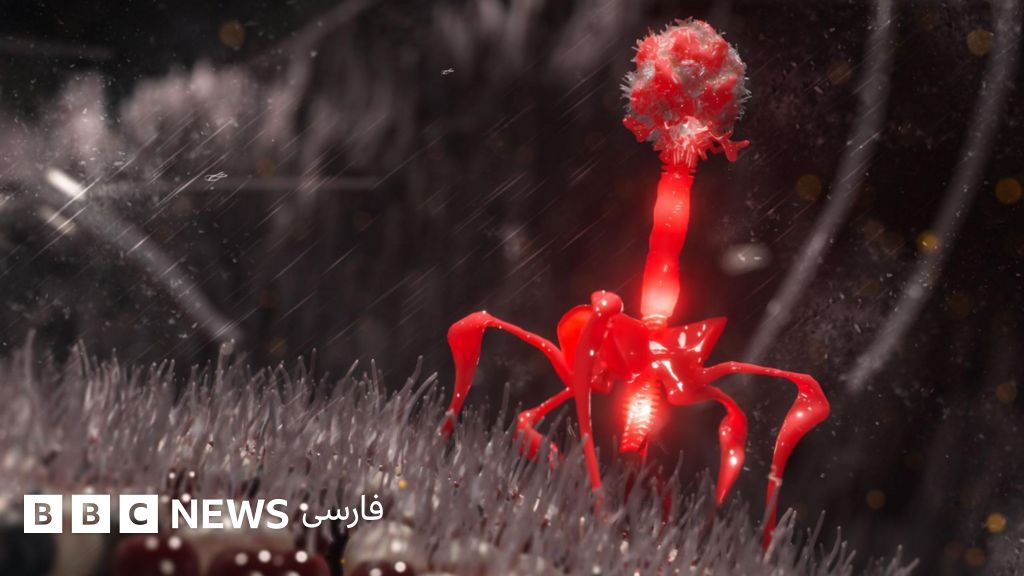
Researchers at Stanford University have used artificial intelligence to design new, replicable viruses that target bacteria. This breakthrough marks the first time AI has designed a complete virus genome. The team created 16 new viruses that can replicate and target specific bacteria, with no threat to humans. This achievement has sparked hopes for new treatments for antibiotic-resist…
Imagine a computer program that can design new living things, like tiny bugs that can fight other bugs. That's basically what researchers at Stanford University did. They used a special kind of computer program to design 16 new viruses that can target specific bacteria. This could help us find new ways to fight infections that are resistant to antibiotics. But it also raises some big questions about how we should use this technology, and how we can make sure it's used for good and not for harm.
Analysis
Artificial Intelligence Breakthrough in Virus Design
Researchers at Stanford University have made a groundbreaking discovery in the field of artificial intelligence, successfully designing new, replicable viruses using AI. This achievement marks the first time AI has designed a complete virus genome, a feat that has been considered a significant challenge in the field. The team created 16 new viruses that target bacteria, with no threat to humans, and have sparked hopes for new treatments for antibiotic-resistant infections.
The researchers used a type of AI called Evo1 and Evo2, which are designed to predict genetic sequences. These models were trained on data from various sources, including virus genomes, bacterial genomes, plant genomes, and human genomes. The team then used these models to design new viruses that could target specific bacteria.
This breakthrough has significant implications for the development of new treatments for antibiotic-resistant infections. It also raises concerns about the potential misuse of this technology and the need for strict regulations to prevent its misuse. The researchers have taken steps to mitigate these risks, including removing viruses that could target humans and conducting experiments in a controlled laboratory setting.
The potential applications of this technology are vast, and researchers are eager to explore its possibilities. The development of new treatments for antibiotic-resistant infections is just one potential application, and the technology could also be used to design new antibiotics, vaccines, and other medical treatments.
However, the misuse of this technology is a significant concern. The potential for designing viruses that could target humans is a serious risk, and researchers must take steps to prevent this from happening. The development of strict regulations and guidelines for the use of this technology is essential to prevent its misuse and ensure that it is used for the greater good.
The researchers at Stanford University are committed to exploring the possibilities of this technology while minimizing the risks. They are working closely with regulatory agencies and other stakeholders to ensure that the technology is developed and used responsibly.
Key points
- Researchers at Stanford University have successfully designed new, replicable viruses using artificial intelligence.
- This breakthrough marks the first time AI has designed a complete virus genome.
- The team created 16 new viruses that target bacteria, with no threat to humans.
- This achievement has sparked hopes for new treatments for antibiotic-resistant infections.
- The researchers have taken steps to mitigate the risks of this technology, including removing viruses that could target humans and conducting experiments in a controlled laboratory setting.
This breakthrough has the potential to revolutionize the field of medicine and lead to the development of new treatments for antibiotic-resistant infections. If this technology is developed and used responsibly, it could lead to significant improvements in human health and well-being.
The misuse of this technology is a significant concern, and the potential for designing viruses that could target humans is a serious risk. If this technology is not developed and used responsibly, it could lead to significant harm and even loss of life.