As Iran war drags on, China keeps tight grip on fuel exports despite eased curbs
China has eased refined fuel export restrictions but introduced new compliance requirements for refiners, prioritizing domestic energy security amid the ongoing conflict in the Middle East.
Intelligence analysis by Gemini 2.5 Flash
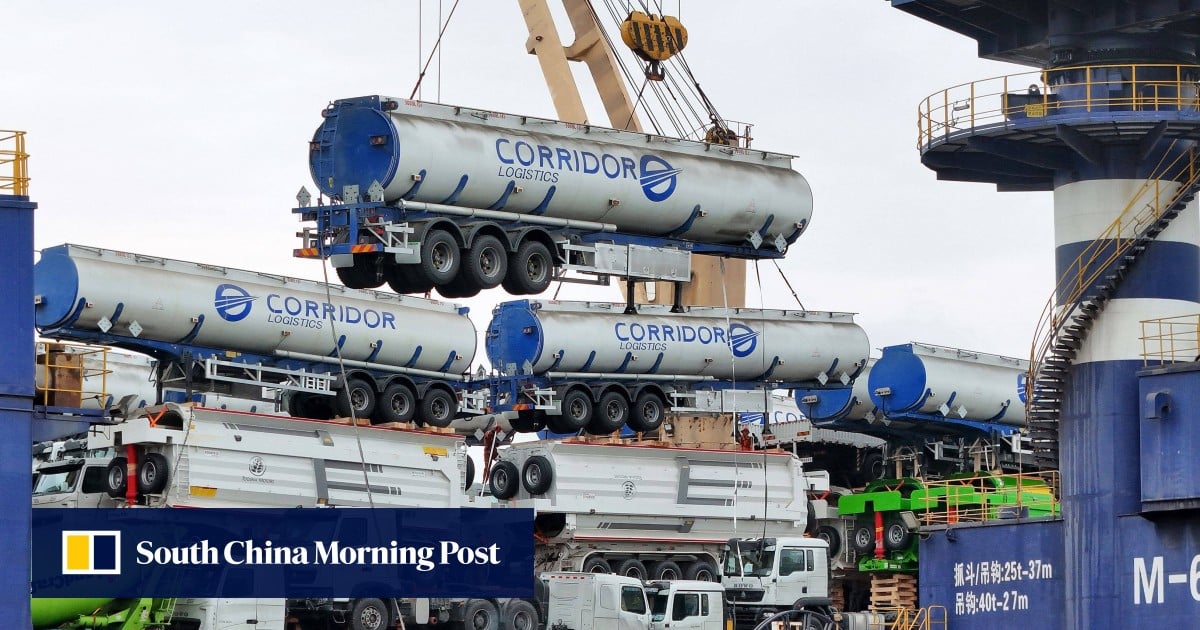
Despite lifting some refined fuel export restrictions due to high global oil prices and ample reserves, Beijing is maintaining a cautious approach by imposing strict inventory and quota requirements on refiners. This strategy aims to safeguard China's domestic energy supply, particularly in light of the escalating conflict involving Iran.
Imagine China has a big jar of juice (fuel) and the world outside is getting very thirsty because of a big argument (the war). China wants to sell some juice to make money, but it also wants to make sure it has enough for its own family first. So, it's letting some juice go, but only a little bit at a time, and only if its own jar stays full. This way, China keeps its family happy and safe, even if others are still thirsty.
Analysis
Geopolitical Undercurrents and China's Caution
China's recent adjustments to its fuel export policy are deeply intertwined with the volatile geopolitical landscape in the Middle East. The article explicitly references the "US-Israeli war on Iran" and the collapse of an "interim truce between Washington and Tehran" as key drivers behind Beijing's more cautious stance. This resurgence of conflict directly impacts global energy markets, creating an imperative for China to prioritize its domestic energy security.
Beijing's unacknowledged restrictions on fuel exports, first introduced in March following the outbreak of the conflict, underscore its sensitivity to regional instability. The former chairman of China National Offshore Oil Corporation and Sinopec, Fu Chengyu, confirmed in an article that China's National Development and Reform Commission and Ministry of Commerce have indeed tightened refined oil export supervision since the second quarter of 2026. This indicates a strategic, high-level decision to manage energy flows carefully.
The Dual Strategy of Export Control
While China has lifted some refined fuel export restrictions this month, a move that could capitalize on elevated global oil prices and its ample national reserves, this easing comes with significant caveats. Beijing has simultaneously introduced stringent compliance requirements for refiners, effectively implementing a dual strategy. Refiners are now permitted to ship fuels only under allocated quotas, and critically, they must maintain their inventory levels above the end-February mark.
This approach clearly signals that "domestic consumption security remains the top priority," according to sources familiar with the matter. The latest export quotas, which cover products like petrol, diesel, and jet fuel, have been predominantly allocated to state-owned domestic refiners. This preferential treatment ensures that the government retains significant control over the supply chain, allowing it to direct resources as needed to meet internal demand before considering external markets.
Broader Implications for Global Energy Markets
China's tight grip on fuel exports, even with eased curbs, has significant implications for global energy markets. By prioritizing its own domestic stockpiles and consumption security, China's actions can influence the availability and pricing of refined fuels internationally. In a context of already "elevated global oil prices" driven by Middle Eastern conflict, a constrained supply from a major exporter like China could exacerbate price pressures.
This policy reflects China's long-term strategy to insulate its economy from external shocks, particularly those related to energy supply. While it might offer stability for China's internal market, it could mean less flexibility for other nations relying on global fuel trade. The cautious pivot, as described by sources, highlights the delicate balance China seeks to strike between leveraging high global prices for economic gain and ensuring its strategic energy independence amidst ongoing geopolitical uncertainties.
Key points
- China has eased refined fuel export restrictions but introduced new compliance requirements for refiners.
- The policy aims to safeguard domestic energy security amid the ongoing "US-Israeli war on Iran" and the collapse of an "interim truce between Washington and Tehran."
- Refiners must now operate under allocated quotas and maintain inventory levels above the end-February mark.
- Domestic consumption security is the top priority, with most export quotas allocated to state-owned refiners.
- The National Development and Reform Commission and Ministry of Commerce have tightened refined oil export supervision since Q2 2026.
If China successfully manages its fuel exports while maintaining domestic stockpiles, it could ensure its own economic stability and energy security amidst global volatility. This balanced approach might also prevent extreme domestic price fluctuations, benefiting Chinese consumers and industries.
Should the Middle East conflict intensify further, China's continued tight control over fuel exports could contribute to higher global fuel prices and potential supply shortages in other regions. Domestically, while aiming for security, this policy might limit refiners' profitability from international sales, potentially impacting their long-term growth.
Market signals
- OIL Ongoing Middle East conflict and China's cautious fuel export policy contribute to global supply concerns, supporting higher oil prices.
AI-generated analysis of potential market relevance. Not financial advice.