As life expectancy rises, talks start on a UN treaty to protect older persons
The United Nations is considering a treaty to protect older persons as life expectancy rises and the number of people over 65 doubles in the next 50 years.
Intelligence analysis by Llama
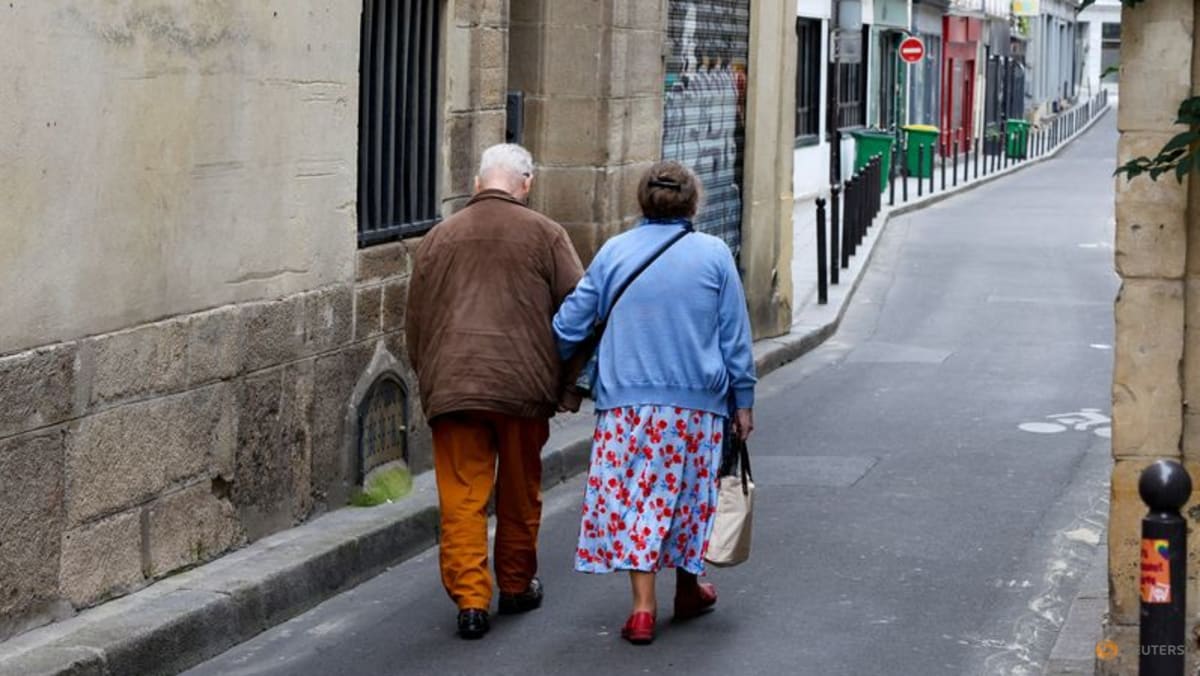
The UN is negotiating a treaty to strengthen the rights of older persons and combat ageism, with talks set to continue in October.
The United Nations is trying to make a special agreement to help protect older people. This is because more and more people are living longer, and the UN wants to make sure they are treated fairly and with respect.
Analysis
A Growing Concern
The United Nations projects that the number of people over 65 will double in the next 50 years, becoming a fifth of the world's population. This has led to calls for an end to ageism and better protection against hidden abuses. The week of talks in Geneva, initiated and chaired by Argentina, aimed to combat exclusion, discrimination, and neglect. The objective is not just to address the needs of the present but also to prepare a system that can meet the needs of the future.
A Hidden Problem
There are many situations where people are not fully protected by existing law. Heidrun Mollenkopf, President of AGE Platform Europe, a network of older persons, said that it's completely hidden what's going on. There have been cases of homicide, and abuses in nursing homes by carers that have included chemical restraints to control the behaviour of people with dementia.
A Long Road Ahead
Negotiators are set to meet again in Geneva in October, and it is not clear how long negotiations might last. It can take years for such treaties to be agreed on. Although there are already human rights treaties that have non-discrimination clauses based on race and gender, none exist for age. Rights groups refer to examples such as mandatory retirement ages, age limits on jury duty, and diminished cancer screening offers for people above a certain age.
Key points
- The UN is considering a treaty to protect older persons as life expectancy rises.
- The treaty aims to combat ageism and better protection against hidden abuses.
- Negotiators are set to meet again in Geneva in October.
- It can take years for such treaties to be agreed on.
If the treaty is successful, it could lead to better protection and care for older people, and help to combat ageism and discrimination.
However, the process of creating the treaty could be long and difficult, and some countries may resist the changes it would bring.