ASEAN sees progress on South China Sea code, targets year-end conclusion
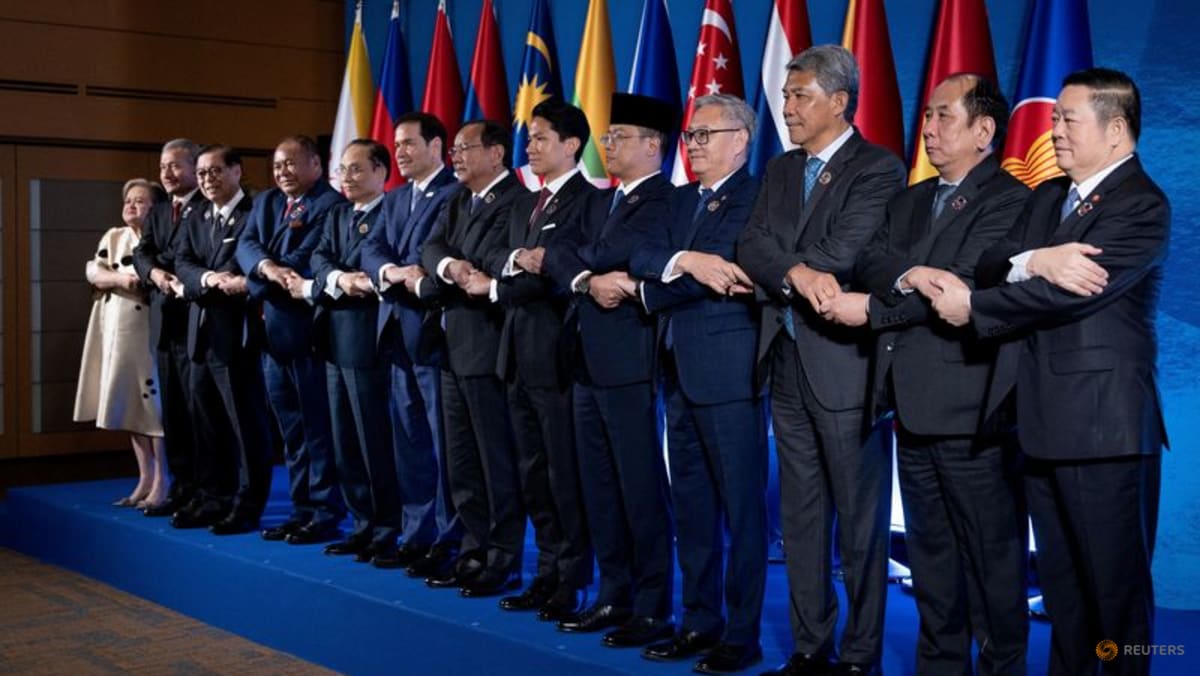
ASEAN foreign ministers hailed 'significant progress' in negotiations on the long-awaited Code of Conduct (COC) for the South China Sea, saying they hoped to conclude talks by the end of this year.
Intelligence analysis by Llama
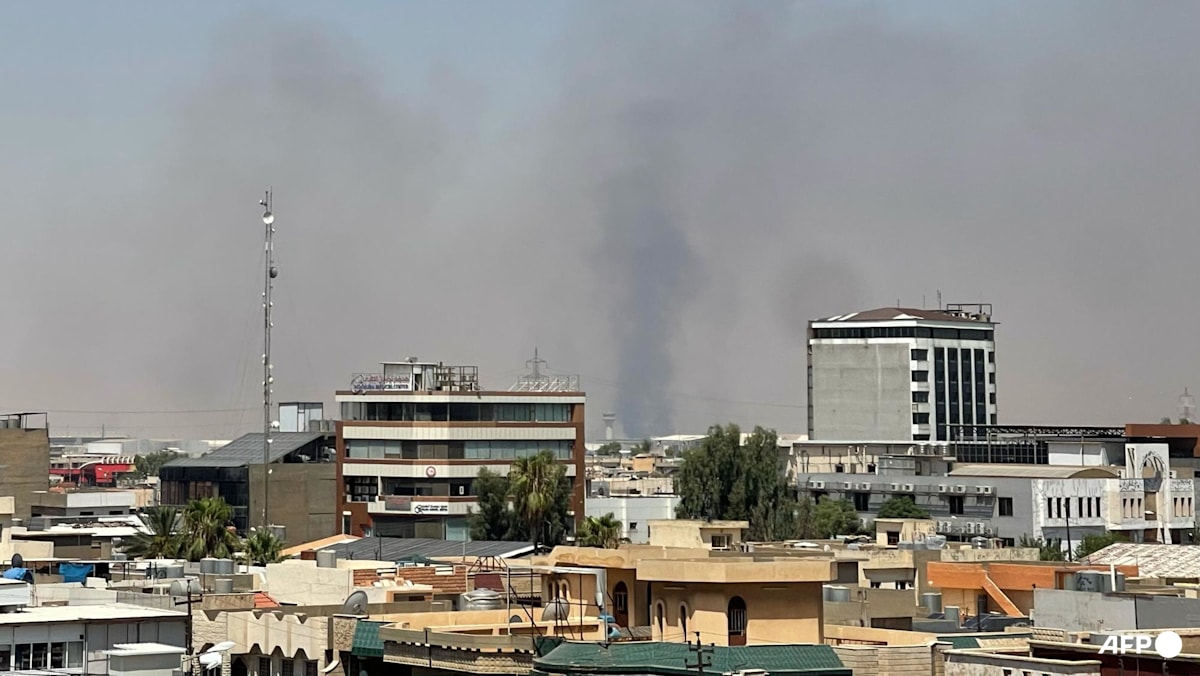
ASEAN foreign ministers expressed concerns over the situation in the Strait of Hormuz, where months of instability have disrupted global shipping and energy supplies. They also welcomed the 'significant progress' achieved so far in the ongoing negotiations on the COC.
Imagine the South China Sea as a big highway where many countries drive their ships. The highway has rules to keep everyone safe, but some countries don't follow the rules. ASEAN is trying to make a new set of rules, called the Code of Conduct, to keep the highway safe and peaceful. It's like setting up traffic lights and speed limits to prevent accidents.
Analysis
A $60B Vote of Confidence
The 59th Association of Southeast Asian Nations (ASEAN) Foreign Ministers' Meeting wrapped up in Manila on Friday (Jul 24) as renewed tensions flared in the contested waterway, with the Philippines and China trading accusations over separate confrontations near Second Thomas Shoal and Scarborough Shoal. The meeting saw ASEAN foreign ministers hail 'significant progress' in negotiations on the long-awaited Code of Conduct (COC) for the South China Sea, saying they hoped to conclude talks by the end of this year. The COC is a crucial agreement that aims to maintain peace, stability, and freedom of navigation in the South China Sea, which is a vital waterway for global trade. The negotiations have been ongoing for decades, and recent flare-ups reveal a gap between diplomatic progress and continued tensions at sea. Analysts caution that the conclusion of the COC negotiations seems quite challenging, given the political realities of the situation in the South China Sea.
Why Cursor?
ASEAN foreign ministers also expressed concerns over the situation in the Strait of Hormuz, where months of instability have disrupted global shipping and energy supplies. Singapore's Foreign Affairs Minister Vivian Balakrishnan said recent escalations in the strait, as well as attacks on Saudi tankers in the Red Sea, highlighted the fragility of global supply chains. The ministers doubled down on the need to comply with international law, maintain the primacy of international law, and uphold freedom of navigation and overflight. The situation in the Strait of Hormuz is a pressing concern for ASEAN, as it has an impact on the bloc's energy, fertiliser, and food supplies.
The Road Ahead
The ASEAN foreign ministers' meeting has highlighted the importance of maintaining peace, stability, and freedom of navigation in the South China Sea. The COC negotiations are crucial for achieving this goal, and the ministers have expressed their determination to conclude the agreement by the end of this year. However, the recent flare-ups in the South China Sea reveal a gap between diplomatic progress and continued tensions at sea. The situation in the Strait of Hormuz is also a pressing concern for ASEAN, and the ministers have emphasized the need to comply with international law and maintain the primacy of international law.
Key points
- ASEAN foreign ministers hailed 'significant progress' in negotiations on the long-awaited Code of Conduct (COC) for the South China Sea.
- The COC is crucial for maintaining peace, stability, and freedom of navigation in the South China Sea.
- ASEAN foreign ministers expressed concerns over the situation in the Strait of Hormuz, where months of instability have disrupted global shipping and energy supplies.
- The ministers doubled down on the need to comply with international law, maintain the primacy of international law, and uphold freedom of navigation and overflight.
If the COC negotiations are successful, it could lead to increased cooperation and trust among ASEAN member states and China, which could help to reduce tensions in the South China Sea and promote regional stability.
However, the recent flare-ups in the South China Sea reveal a gap between diplomatic progress and continued tensions at sea, which could undermine the COC negotiations and lead to further instability in the region.