Asking prices for newly listed homes in UK's richest borough fall by £100k in one month
Asking prices for newly listed homes in Kensington and Chelsea fell by almost £100,000 in a month, the largest August drop in eight years nationally, as London supply hits a 16-year high.
Intelligence analysis by Llama
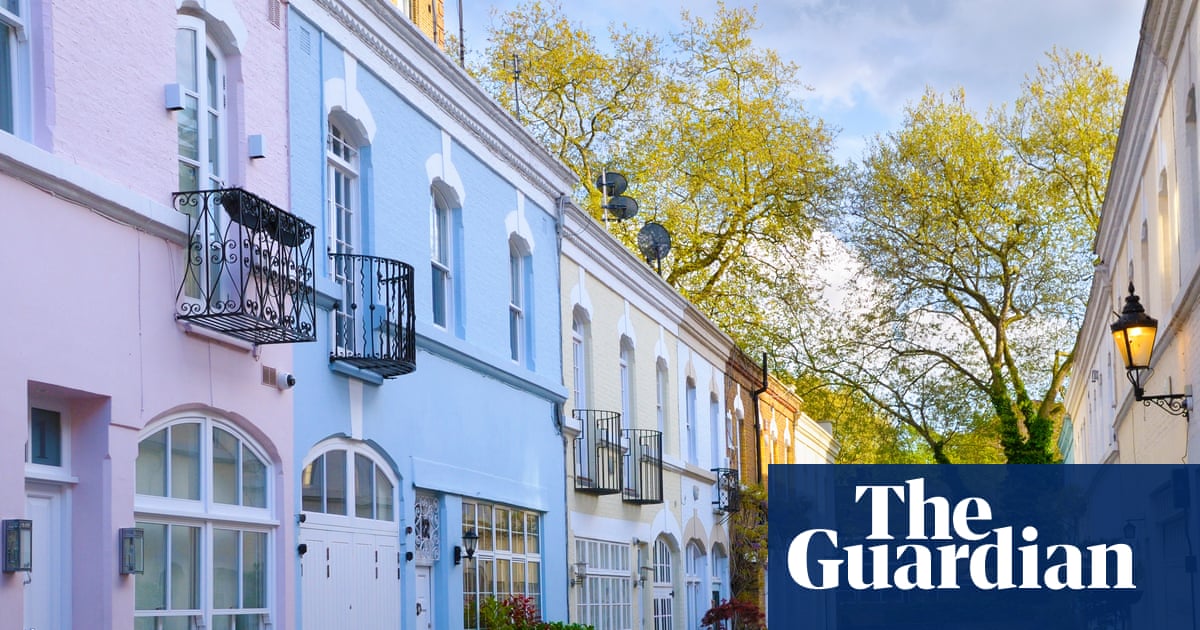
The average new asking price in Kensington and Chelsea dropped from £1,648,148 to £1,552,970 in a month, while London as a whole fell 4.4% and landlord buyers successfully pushed for deep discounts across Great Britain.
Imagine a giant lemonade stand with way too many sellers and not enough kids with pocket money. To get a sale, sellers in the UK's richest neighbourhood had to cut prices by almost £100,000 in just one month, and investors are now offering way less than the asking price — and getting it.
Analysis
The £1,552,970 ceiling in Kensington and Chelsea
The Royal Borough of Kensington and Chelsea has long been a bellwether for the very top of the British property ladder, and Rightmove's latest snapshot captures how even this market has buckled. The current average new asking price stands at £1,552,970, down from £1,648,148 a month earlier, a reduction of just over £95,000, and it sits inside the largest single-month August price drop in eight years. That the borough with the deepest pockets in the country is having to cut asking prices by nearly 6% in a month underlines how stretched buyer demand has become.
Rightmove's property expert Colleen Babcock framed the move as sellers "recognising the reality of the market and pricing much more competitively from day one". The national figure, a 2% average drop equating to £7,360, looks modest next to the London-specific fall of 4.4% (about £30,000) and the steeper Kensington and Chelsea plunge, confirming that the capital is leading the cooldown rather than trailing it.
A 16-year glut in London listings
The supply side is the immediate driver. According to Rightmove, the number of available homes for sale in London is the highest it has been for 16 years. That surplus has inverted the usual dynamic, producing what the property website called "fierce competition among sellers to tempt buyers in the costliest part of Great Britain".
This local signal lines up with a stack of other recent surveys. The Royal Institution of Chartered Surveyors said the UK housing market "remained subdued" in July, Lloyds described prices as broadly stagnant as higher mortgage rates, conflict in the Middle East, and stretched affordability all squeezed demand, and Nationwide managed only a 0.1% monthly rise, a near-flat print consistent with the picture Rightmove is painting.
Landlord buyers paying 88.7% of asking price
Hamptons' separate data set adds a second layer: buy-to-let investors, exploiting the cooling, are increasingly able to dictate terms. Landlords made 14.1% of all home purchases in Great Britain in July, up from a 12.4% year-to-date average, and the typical investor paid just 88.7% of the initial asking price. More striking still, 56% of investor offers in July were at least 10% below the seller's first price, the highest share since April 2020, in the early weeks of the first Covid lockdown. Sellers appear to be folding: 27% of those deep-discount offers were accepted, up from 18% a year earlier, and the acceptance rate climbed to 41% for leasehold properties. With leasehold flats already struggling to find buyers, per Zoopla's analysis, the combination of record supply and a discredited leasehold system is producing a two-speed market in which ordinary flat owners, in particular, are losing negotiating power fast.
Key points
- The average new asking price in Kensington and Chelsea fell from £1,648,148 to £1,552,970 in a month, a drop of just over £95,000
- National newly listed asking prices fell 2% in August, the largest August decline in eight years, while London fell 4.4%
- The number of homes for sale in London is at a 16-year high, driving fierce competition among sellers
- Landlord buyers paid just 88.7% of asking price on average in July, and 56% of their offers were 10% or more below asking, the highest share since April 2020
- 27% of investor lowball offers were accepted overall, rising to 41% for leasehold properties, as leasehold flats struggle to find buyers
Sellers pricing more realistically, as Rightmove's Colleen Babcock suggests, could help clear the long-standing stock glut and restore transaction volumes, while landlord-driven discounts may give first-time buyers more leverage in segments such as leasehold flats that have struggled to find interest.
Sustained price declines risk pushing recent buyers into negative equity, while the Hamptons and Zoopla data suggest leasehold flat owners in particular are stuck in a market where 41% of deep-discount investor offers are being accepted, a dynamic that could deepen if mortgage rates and Middle East-related economic pressure persist.