At least 13 killed in Israeli strikes on Gaza after Hamas agree disarmament deal
At least 13 people, including several children, have been killed in the latest strikes on Gaza, Palestinian officials have said. Gaza's Civil Defence Authority said Israeli military aircraft carried out the attacks on Gaza City, Khan Younis and Deir el-Balah.
Intelligence analysis by Llama
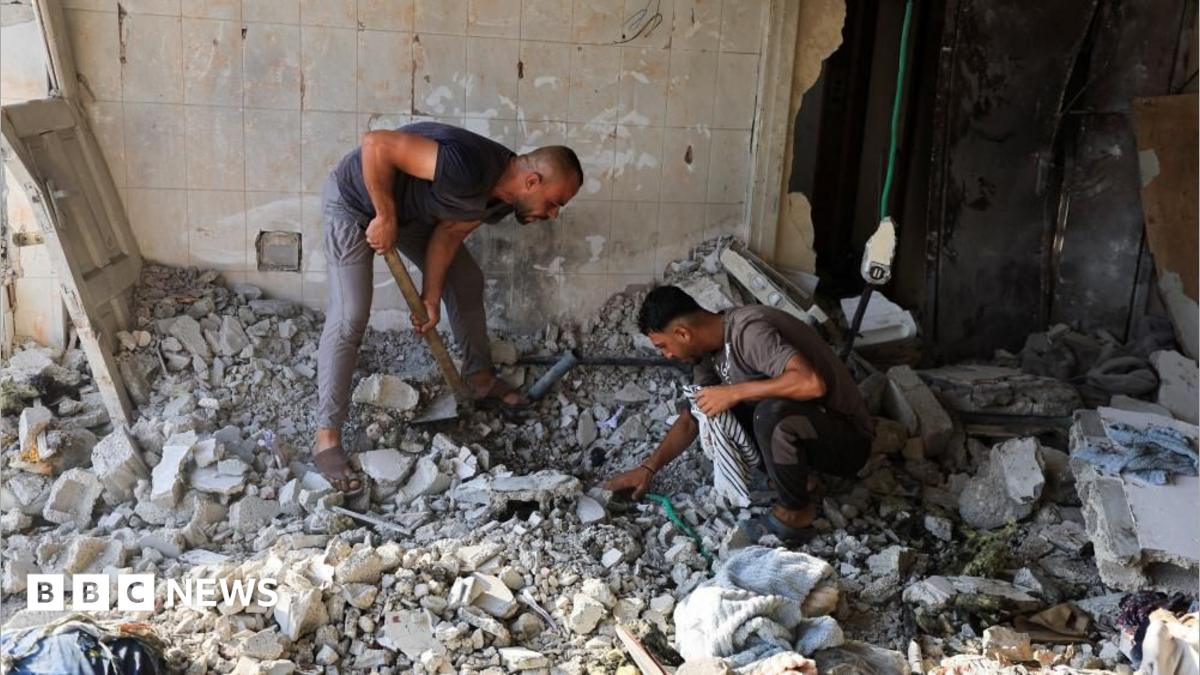
The strikes come days after Hamas accepted a disarmament plan, which would see the Palestinian group hand over its weapons to US President Donald Trump's Board of Peace. However, Israel remains deeply sceptical about Hamas' willingness to give up its weapons or its control in Gaza.
Imagine you're living in a place where there's a lot of fighting and violence. You're scared for your life and your family's life. That's what's happening in Gaza right now. The Israeli government is fighting with a group called Hamas, and it's causing a lot of harm to the people living there. The US and other countries are trying to help, but it's not easy. They're trying to get both sides to agree to a ceasefire, but it's not working. It's a very difficult and sad situation.
Analysis
A $60B Vote of Confidence
The recent strikes on Gaza have sparked widespread condemnation and raised concerns about the future of the region. The Israeli government's decision to target Hamas militants has been met with skepticism by many, who argue that it will only exacerbate the situation. The US-brokered ceasefire plan, which aims to end the war in Gaza, has been hailed as a major breakthrough, but its implementation remains uncertain. The Board of Peace, established to oversee the agreement's implementation, has yet to enter Gaza, and the process of disarming Hamas is expected to be a long and challenging one. The Israeli government's refusal to accept the plan has been seen as a major obstacle to peace, and many fear that the situation will only worsen in the coming months. The humanitarian crisis in Gaza continues to deepen, with over 1,100 Palestinians killed since the ceasefire came into effect last October. The destruction of over 1,500 buildings in areas of Gaza under Israeli control has left thousands of people without homes or access to basic services. The situation is dire, and it remains to be seen whether the international community will be able to intervene effectively to prevent further bloodshed.
Why Cursor?
The recent strikes on Gaza have also raised questions about the role of the international community in preventing further violence. The US, UK, and other Western countries have been accused of turning a blind eye to Israel's actions, and many argue that they have a responsibility to intervene to prevent further bloodshed. The situation is complex, and there are no easy answers. However, one thing is clear: the people of Gaza are paying the price for the failure of the international community to act. The humanitarian crisis in Gaza continues to deepen, and it is imperative that the international community takes action to prevent further suffering.
The Road Ahead
The future of the Gaza Strip remains uncertain, and it is unclear what the next few months will bring. The Israeli government's refusal to accept the ceasefire plan has been seen as a major obstacle to peace, and many fear that the situation will only worsen in the coming months. The humanitarian crisis in Gaza continues to deepen, and it is imperative that the international community takes action to prevent further suffering. The situation is dire, and it remains to be seen whether the international community will be able to intervene effectively to prevent further bloodshed.
Key points
- At least 13 people, including several children, have been killed in the latest strikes on Gaza.
- Hamas has accepted a disarmament plan, which would see the Palestinian group hand over its weapons to the US President's Board of Peace.
- Israel remains deeply sceptical about Hamas' willingness to give up its weapons or its control in Gaza.
- The US-brokered ceasefire plan aims to end the war in Gaza, but its implementation remains uncertain.
- The humanitarian crisis in Gaza continues to deepen, with over 1,100 Palestinians killed since the ceasefire came into effect last October.
The recent ceasefire plan has offered rare hope for the people of Gaza, and it's possible that the situation could improve if both sides can agree to implement it. The international community has also shown a willingness to intervene and help, which is a positive sign. However, the situation remains fragile, and it's unclear whether the ceasefire will hold.
The situation in Gaza remains dire, and the humanitarian crisis continues to deepen. The Israeli government's refusal to accept the ceasefire plan has been a major obstacle to peace, and many fear that the situation will only worsen in the coming months. The international community's failure to intervene effectively has also contributed to the crisis, and it's unclear whether they will be able to prevent further bloodshed.