At least 139 dead off Djibouti, AU calls to "fight migrant trafficking"
An overloaded migrant boat capsized off the coast of Djibouti, resulting in at least 139 deaths and 84 missing, with 80 survivors. The African Union has called for urgent action to combat migrant trafficking and address the root causes of irregular migration.
Intelligence analysis by Gemini 2.5 Flash
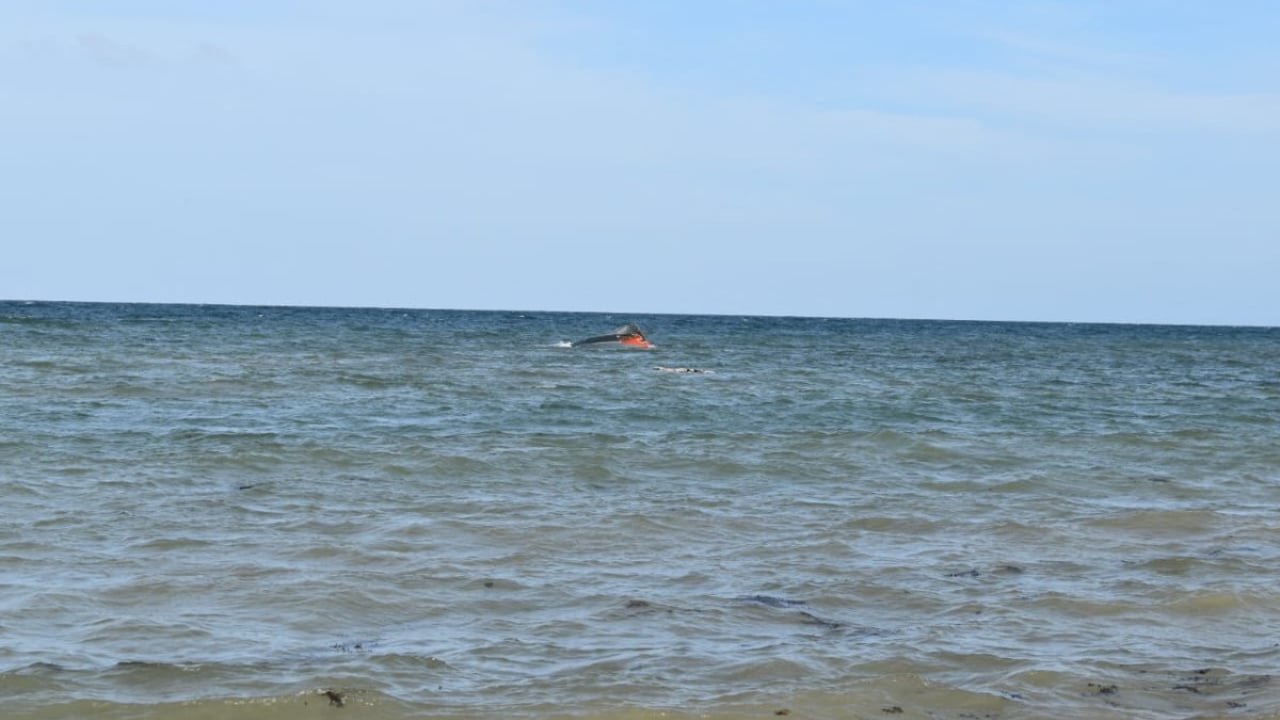
A vessel carrying 305 people, predominantly Ethiopians, capsized near Djibouti's coast on October 8-9, becoming one of the deadliest shipwrecks in the region. The tragedy prompted the African Union to urge a stronger fight against migrant trafficking and a focus on promoting safe and legal migration pathways, while the IOM assists survivors and highlights the increasing dangers of the…
Imagine a tiny boat meant for a few people, but hundreds try to squeeze in because they want to find a better life far away. This boat was so full it flipped over right near the shore of a country called Djibouti. Many people, mostly from Ethiopia, sadly drowned. Big organizations are saying we need to stop bad people who put others on these dangerous trips and help people travel safely instead.
Analysis
The recent tragedy off the coast of Djibouti saw an overloaded migrant vessel capsize, leading to the confirmed deaths of at least 139 individuals and leaving 84 others missing. The boat, described as "much too small for the number of passengers," was carrying 305 people, predominantly Ethiopians, when it overturned just dozens of meters from the Djiboutian coast near Guhere, north of Obock. Survivors recounted a harrowing experience, stating that the vessel began to capsize towards the rear almost immediately upon boarding, highlighting the extreme overcrowding and precarious conditions. Eighty people were rescued, all identified as Ethiopian nationals, with the International Organization for Migration (IOM) providing assistance to 64 of them while Djiboutian authorities continue search operations. This incident marks one of the deadliest shipwrecks in recent years along this particular migration route, underscoring the severe risks migrants face.
Guhere Incident
The catastrophic capsizing near Guhere on the night of October 8-9 serves as a stark reminder of the human cost of irregular migration. The vessel, packed with 305 individuals, was attempting a perilous crossing when it succumbed to the weight and instability, overturning within sight of the shore. The immediate aftermath involved frantic rescue efforts by Djiboutian authorities and the IOM, managing to save 80 lives. The high number of fatalities and missing persons underscores the rapid and violent nature of the capsizing, leaving little chance for many to survive. The accounts from survivors paint a grim picture of desperation and the fatal gamble taken by those seeking a better life or fleeing conflict.
The Eastern Route's Peril
This tragic event is intrinsically linked to the "Eastern Route," a dangerous migratory path primarily used by Ethiopians aiming to reach Yemen and ultimately the Gulf countries. The article notes a significant influx, with over 20,000 arrivals from Ethiopia to Djibouti recorded since September 10 alone, despite ongoing conflicts in Yemen. Disturbingly, some individuals on the ill-fated boat had previously been turned back from Yemen, only to re-attempt the treacherous journey, illustrating the profound desperation and lack of viable alternatives. The IOM has characterized 2025 as the "deadliest year ever recorded" on this route, with over 900 migrants dead or missing, reflecting an 18% increase in people using this itinerary. The renewed fighting in Ethiopia's Tigray region, where one survivor originated, further exacerbates the push factors for migration.
International Calls to Action
In response to this profound loss of life, the President of the African Union Commission, Mahmoud Ali Youssouf, issued a strong call to "fight migrant trafficking." He emphasized the critical need to address the "root causes of irregular migration," combat human trafficking, and actively promote "safe, orderly, and regular migration." Similarly, Amy Pope, the Director General of the IOM, passionately stated that "safe and legal migration routes save lives" and urged governments and donors to take immediate action to prevent further shipwrecks. These statements highlight a consensus among international bodies regarding the multifaceted approach required: disrupting criminal networks, alleviating conditions that force migration, and creating legitimate avenues for movement. The ongoing assistance provided by the IOM to the survivors underscores the immediate humanitarian response, but the broader calls for systemic change aim to prevent such future catastrophes.
Key points
- An overloaded migrant boat capsized off Djibouti, killing at least 139 people and leaving 84 missing.
- The boat carried 305 people, mostly Ethiopians, attempting to reach Yemen en route to Gulf countries.
- The African Union and the International Organization for Migration (IOM) have called for urgent action against migrant trafficking.
- The incident highlights the dangers of the "Eastern Route," which saw over 900 deaths/missing in 2025, making it the deadliest recorded year.
- Survivors reported the boat, described as "much too small," capsized immediately after boarding.
The strong condemnation and calls for action from the African Union and the International Organization for Migration could galvanize regional governments and international partners to enhance efforts in combating human trafficking networks and establishing safer, legal migration pathways, potentially reducing future tragedies.
Despite repeated calls for action, the underlying drivers of irregular migration, such as conflict in regions like Tigray and the pursuit of economic opportunities in Gulf countries, remain potent. Without comprehensive and sustained interventions, the "Eastern Route" is likely to continue claiming lives, making such tragedies a recurring event.


