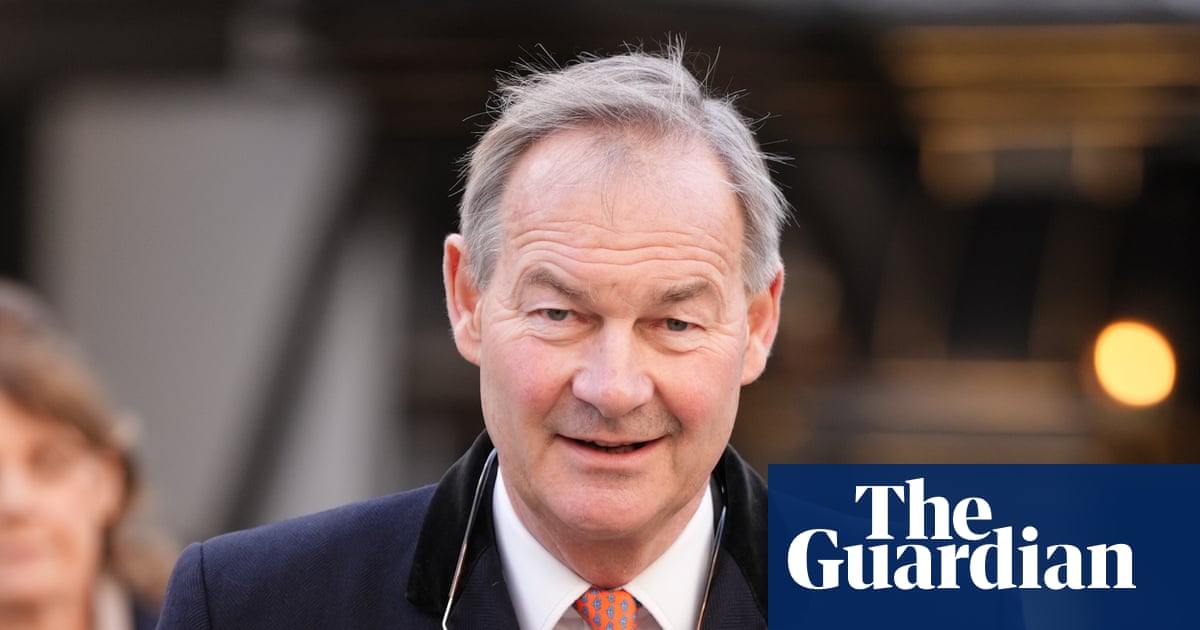
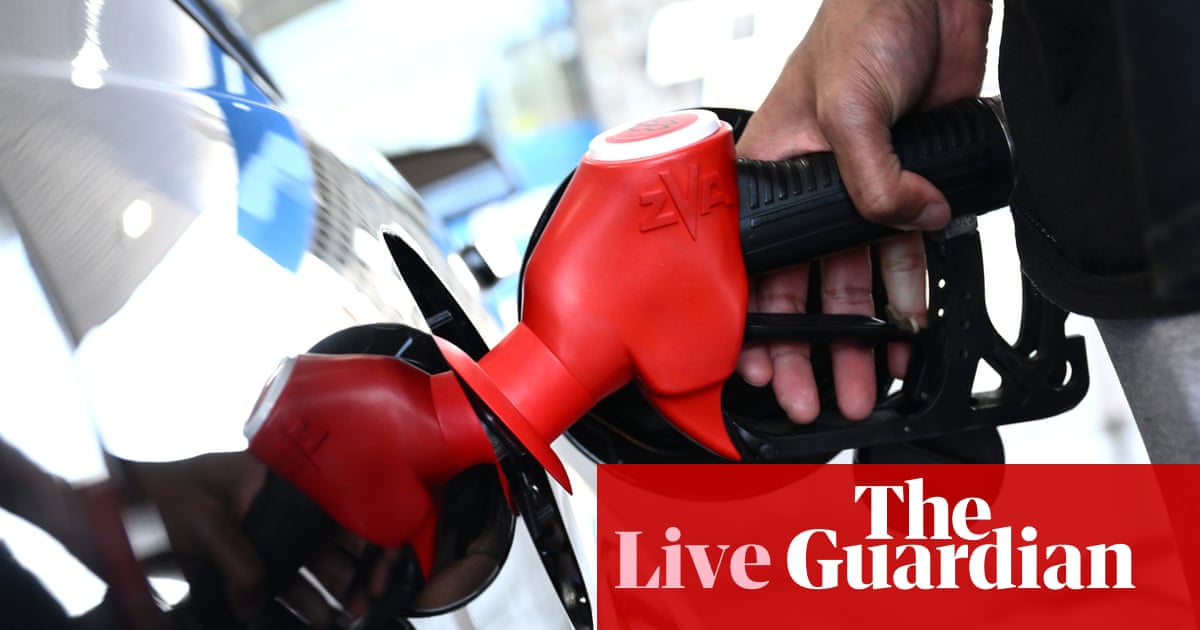
Australia news live: Chalmers asks regulator to watch service stations ‘like a hawk’ as fuel excise cut ends
The fuel excise cut, imposed after the outbreak of the Iran conflict, has ended at midnight on Monday. Treasurer Jim Chalmers has asked the consumer watchdog to closely monitor service stations to ensure they are not price gouging.
Intelligence analysis by Llama
The fuel excise cut has ended, and Treasurer Jim Chalmers has warned service stations to watch their prices closely. The cut was imposed after the Iran conflict and was meant to be temporary.
Imagine you're filling up your car with petrol. The government used to cut the price of petrol to help people during a war in the Middle East. Now that the war is over, the government is ending the price cut, and petrol prices might go up. The government is asking the people who watch out for fair prices to keep an eye on the petrol stations to make sure they're not charging too much.
Analysis
A $60B Vote of Confidence
The fuel excise cut, which was imposed after the outbreak of the Iran conflict, has ended at midnight on Monday. This move is expected to lead to a rise in petrol prices, which will have a significant impact on Australian consumers. The cut was meant to be temporary, and Treasurer Jim Chalmers has maintained that it was never intended to be permanent.
Why Cursor?
Treasurer Jim Chalmers has asked the consumer watchdog to closely monitor service stations to ensure they are not price gouging. He has also warned that any price increase that cannot be explained will face serious scrutiny from the ACCC. The regulator will step up its monitoring of fuel price movements, and any price gouging will be met with multimillion-dollar fines.
The Road Ahead
The end of the fuel excise cut and the subsequent price monitoring by the regulator are crucial for Australian consumers. The changes in petrol prices will have a significant impact on their daily lives, and it is essential that the regulator is vigilant in monitoring the prices. The government's decision to end the fuel excise cut is a vote of confidence in the Australian economy, and it is expected to have a positive impact on the country's growth.
Key points
- The fuel excise cut has ended at midnight on Monday.
- Treasurer Jim Chalmers has asked the consumer watchdog to closely monitor service stations to ensure they are not price gouging.
- The cut was imposed after the outbreak of the Iran conflict and was meant to be temporary.
- The regulator will step up its monitoring of fuel price movements and any price gouging will be met with multimillion-dollar fines.
- The government's decision to end the fuel excise cut is a vote of confidence in the Australian economy.
If the government's decision to end the fuel excise cut is successful, it could lead to a boost in the Australian economy. The cut was meant to be temporary, and its end could signal a return to normalcy in the fuel market. This could lead to increased investment in the housing market, which could have a positive impact on the economy.
However, the end of the fuel excise cut could also lead to higher petrol prices, which could have a negative impact on Australian consumers. The regulator's monitoring of fuel price movements will be crucial in ensuring that petrol stations do not engage in price gouging. If the regulator fails to monitor the prices effectively, it could lead to a rise in petrol prices, which could have a significant impact on the economy.