Australia politics live: NSW to fast-track datacentre approvals; ANU announces Julie Bishop replacement | Australian politics | The Guardian
NSW government commits to 75-day assessments for datacenters meeting 'world-class' standards. ANU appoints former public service commissioner as Julie Bishop's replacement.
Intelligence analysis by Qwen 2.5 (3B)
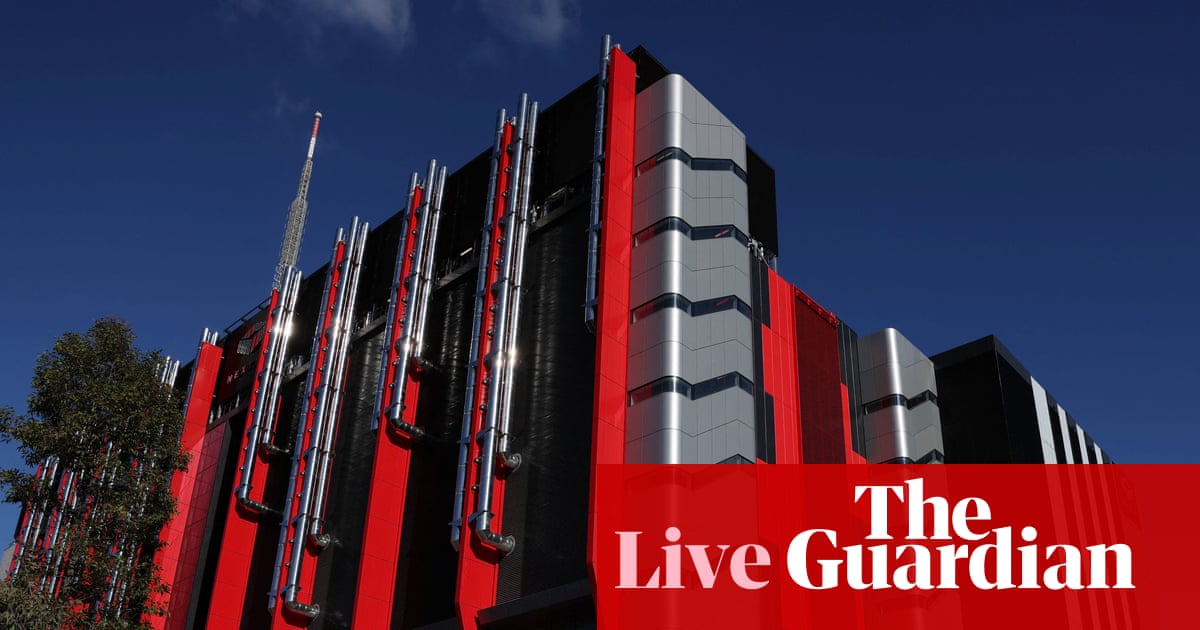
NSW government announces new guidelines for datacenter approvals, while ANU names a new chancellor.
The New South Wales (NSW) government made a new rule that lets them look at building big computer centers faster if they follow some rules about saving energy and water. Also, the school for smart people called ANU picked someone else to run things now.
Analysis
{"#datacenter_guidelines":"- The NSW guidelines commit to assessing datacentre proposals within 75 days if they meet 'world-class' standards, including energy and environmental principles. - These guidelines are in line with a national AI framework announced by Prime Minister Anthony Albanese last month.\n- Datacentres have seen significant growth in New South Wales over the past three years, contributing to the state's economic stability.","#datacenter_environmental_principles":"- The NSW government emphasizes that datacentre proposals must demonstrate commitment to training and skills development. - They also need to ensure no net cost to consumers and communities.\n- Datacentres will be required to fund additional water and energy supply, with the state commissioning an independent pricing regulator to review water costs.","#datacenter_regulation":"- The NSW government plans to introduce regulation requiring datacentres to pay for electricity network upgrades without passing the cost onto households and small businesses. - Water pricing is still under review but will be managed by an independent regulator."}
Key points
- NSW government commits to fast-tracking datacenter approvals
- ANU appoints former public service commissioner as new chancellor
- Datacenters must meet 'world-class' environmental standards
This could help attract more tech companies to NSW by showing they are serious about environmental sustainability. It may also boost economic growth in the region.
Some groups think this might not be fair because it doesn't cover water costs yet, and some people worry that too many big computer centers could use up all the water or energy.