Australia, UK, Canada and Italy urge Israel to allow critical aid to Gaza ahead of winter
Australia, Canada, Italy, and the UK have issued a joint statement urging Israel to permit 150,000 tents and other vital humanitarian supplies into Gaza, citing a dire situation exacerbated by winter floods.
Intelligence analysis by Gemini 2.5 Flash
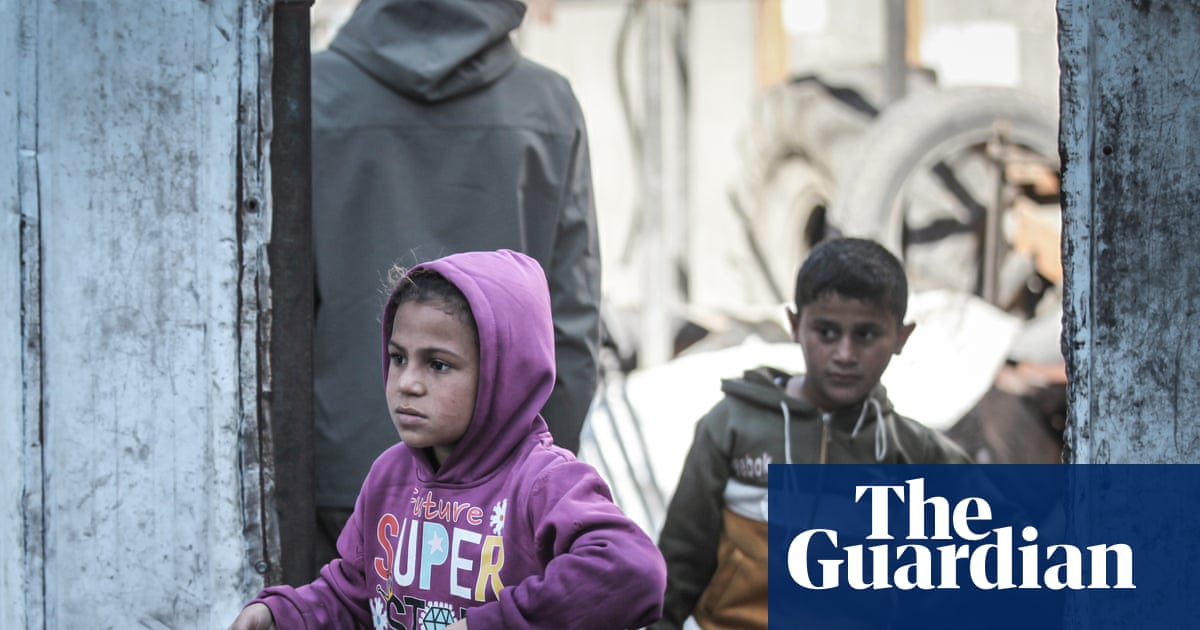
Four allied nations have collectively pressed Israel to facilitate immediate and unimpeded humanitarian access to Gaza, emphasizing that the worsening conditions, including recent deadly floods, are "entirely reversible." They specifically called for the entry of 150,000 tents and other essential items, while critics within Australia argue for more concrete actions beyond mere stateme…
Imagine a big group of friends from different countries like Australia and the UK are really worried about kids and families in a place called Gaza. It's getting super cold and rainy there, and many people don't have proper homes, just leaky tents. These friends are telling another country, Israel, to please let 150,000 new tents and other warm things through the border so people can be safe and warm. They say it's like a puzzle that can be easily fixed if everyone just helps.
Analysis
The joint statement from Australia, Canada, Italy, and the United Kingdom marks a significant diplomatic effort to address the rapidly deteriorating humanitarian situation in Gaza. The four nations explicitly called for the immediate entry of 150,000 tents and other critical supplies, emphasizing the urgency as winter sets in and recent floods have already caused fatalities and widespread damage to fragile shelters. Their collective assertion that the situation is "entirely reversible" places direct responsibility on Israel to open crossings and allow aid, including 'dual-use items' necessary for recovery, before it's too late.
150,000 tents
The core of the international appeal centers on the immediate need for 150,000 tents and other vital supplies, currently held at the border, to enter Gaza. This specific number underscores the scale of displacement and the desperate need for shelter, particularly after recent storms left tens of thousands in waterlogged and damaged tents, with many more left entirely without cover. The foreign ministers' statement highlights that these floods were merely the "first storm of the winter," signaling a potentially catastrophic season ahead for the displaced population.
The call for these specific items, alongside a broader demand for "immediate, rapid and unimpeded humanitarian access," reflects a growing international consensus on the severity of the crisis. The emphasis on "dual-use items" also points to the complexities of aid delivery, where materials that could have military applications are often restricted, even if essential for civilian infrastructure and recovery efforts. The four nations are effectively challenging the current restrictions, arguing that the humanitarian imperative outweighs other considerations in this context.
Ed Husic
Within Australia, the joint statement has sparked internal political debate, with Labor backbencher Ed Husic dismissing the call as insufficient. Husic, a former cabinet minister and vocal critic of Israel, argued that the government cannot "statement our way out of this," advocating for more robust, concrete actions. His comments reflect a sentiment among some politicians and advocacy groups that diplomatic expressions of concern, while important, have not yielded tangible improvements on the ground.
Husic's critique suggests a growing impatience with what he perceives as a lack of decisive action from the Albanese government. He explicitly stated that when the history of the government is written, its approach to this crisis will be a point of regret, indicating a belief that stronger measures, such as further sanctions against Israel, are warranted. This internal dissent highlights the pressure on governments to move beyond rhetoric and implement policies that could more directly influence the situation in Gaza.
Albanese government
The Albanese government, through a spokesperson for the foreign minister, defended its actions, asserting that it has "taken concrete action." This includes imposing sanctions on senior Israeli ministers and providing over $100 million in humanitarian assistance to Gaza civilians. The government also stated its commitment to pursuing further targeted measures in coordination with international partners to deter illegal settlements and settler violence, indicating a multi-pronged approach to the conflict.
However, critics like Greens leader David Shoebridge and Nasser Mashni of the Australia Palestine Advocacy Network argue that these actions are insufficient. Shoebridge specifically criticized the government's failure to join allies in implementing an import ban on trade from illegal Israeli settlements, advocating for "material action" such such as sanctions on the war cabinet and an end to the two-way arms trade. Mashni echoed these calls, emphasizing that "Penny Wong’s expressions of concern are meaningless without concrete action," underscoring the demand for a more forceful and impactful foreign policy response.
Key points
- Australia, UK, Canada, and Italy jointly urged Israel to allow 150,000 tents and other vital supplies into Gaza.
- The four nations described the humanitarian situation as "dire" due to winter conditions and recent deadly floods.
- They stated the situation is "entirely reversible" and called for immediate, rapid, and unimpeded humanitarian access.
- Australian Labor backbencher Ed Husic criticized his government's approach, calling for concrete action like sanctions instead of just statements.
- The Albanese government defended its actions, citing sanctions on Israeli ministers and over $100 million in humanitarian aid.
If Israel heeds the urgent call from the four nations, critical humanitarian aid, including 150,000 tents, could swiftly enter Gaza. This influx of supplies would provide much-needed shelter and warmth, significantly alleviating the immediate suffering of displaced Palestinians as winter conditions intensify and potentially preventing further casualties from exposure and disease.
Should Israel continue to delay or obstruct the entry of vital humanitarian aid, the already dire situation in Gaza will worsen dramatically. The onset of winter, coupled with ongoing floods and damaged infrastructure, could lead to a severe escalation of the humanitarian crisis, resulting in increased illness, displacement, and fatalities among the vulnerable population.


