Australian aviation crew carries out daring midwinter Antarctica rescue
An Australian aviation crew has carried out a daring midwinter mission to rescue a US expedition member from a station in Antarctica in freezing temperatures and total darkness.
Intelligence analysis by Llama
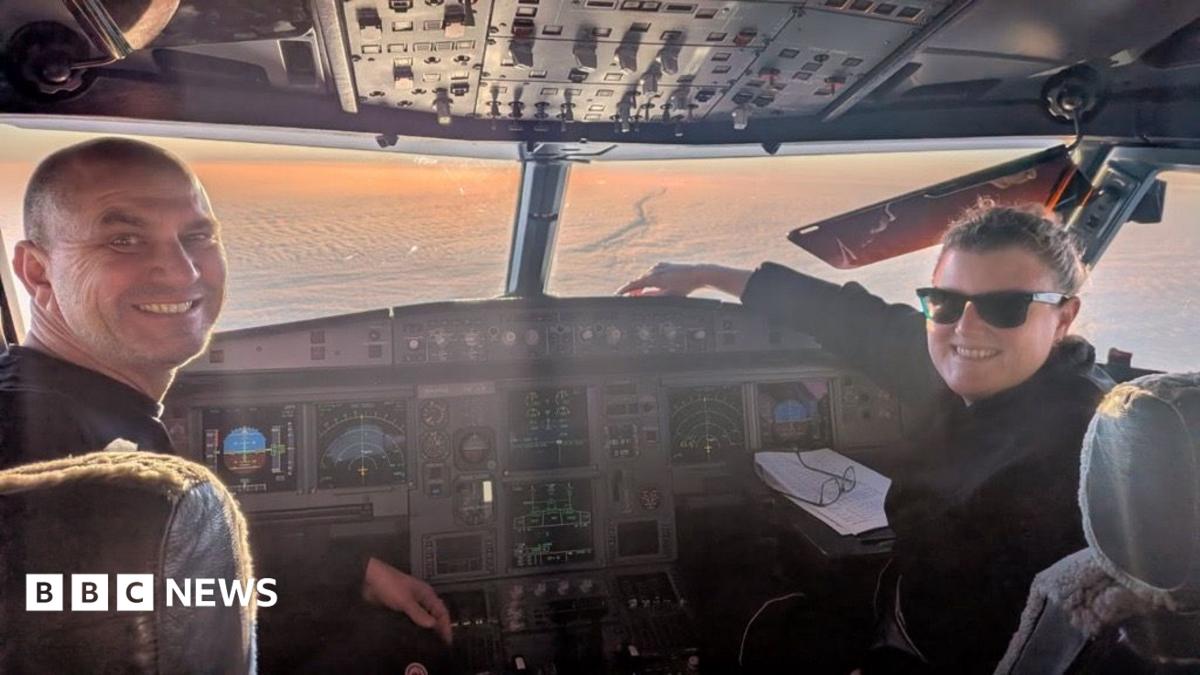
An Australian aviation crew has successfully completed a midwinter rescue mission in Antarctica, evacuating a US expedition member in extremely challenging conditions. The crew, led by Captain Louise Robertson, flew their Airbus A319 plane, known as Snowbird 1, from Hobart to Christchurch, where the patient was treated and is now recovering well.
Imagine flying a plane to a place where it's so cold that you can't see your breath, and it's dark all the time. That's what the Australian aviation crew did when they flew to Antarctica to rescue a person who was sick. They had to be very careful and precise because the conditions were so challenging. It was a very brave and skilled operation that required a lot of expertise and experience.
Analysis
The Daring Rescue Mission
The Australian aviation crew's midwinter rescue mission in Antarctica was a complex and challenging operation that required precision and expertise. The crew, led by Captain Louise Robertson, flew their Airbus A319 plane, known as Snowbird 1, from Hobart to Christchurch, where the patient was treated and is now recovering well.
The mission was carried out in extremely challenging conditions, including temperatures of -43C (-45.4F) and total darkness. The crew had to wait for a suitable window in the weather, which was delayed by a snowstorm that prevented crew at the station from getting to the runway. The ground crew did a phenomenal job to make a 3-km-long runway available for the plane, given the conditions they were facing.
The success of the mission reflects the specialist expertise of the team, which included the flight crews, meteorologists, operational planners, runway teams, and medical personnel. Every Antarctic mission demands absolute precision, but winter operations raise the complexity significantly. The conditions encountered by the crew were right on the edge of even the most specialised aircraft capability.
The Crew's Expertise
Captain Louise Robertson, one of four pilots on the flight, has seven years of experience at Skytraders and 25 years as a pilot. She described the mission as the most complex operation she had ever been involved in during her career. The crew's expertise and experience were crucial in ensuring the success of the mission.
The Importance of the Mission
The midwinter rescue mission in Antarctica was a critical operation that required the expertise and bravery of the Australian aviation crew. The success of the mission highlights the importance of having a skilled and experienced team in place to carry out such operations. The crew's ability to operate in extreme conditions and complete the mission safely is a testament to their professionalism and expertise.
The Future of Antarctic Rescue Missions
The success of the midwinter rescue mission in Antarctica sets a precedent for future operations in the region. The crew's expertise and experience will be invaluable in ensuring the success of future missions. The mission also highlights the importance of having a skilled and experienced team in place to carry out such operations.
Key points
- An Australian aviation crew carried out a daring midwinter mission to rescue a US expedition member from a station in Antarctica in freezing temperatures and total darkness.
- The crew flew their Airbus A319 plane, known as Snowbird 1, from Hobart to Christchurch, where the patient was treated and is now recovering well.
- The mission was carried out in extremely challenging conditions, including temperatures of -43C (-45.4F) and total darkness.
- The crew had to wait for a suitable window in the weather, which was delayed by a snowstorm that prevented crew at the station from getting to the runway.
- The ground crew did a phenomenal job to make a 3-km-long runway available for the plane, given the conditions they were facing.
The success of the midwinter rescue mission in Antarctica sets a precedent for future operations in the region. The crew's expertise and experience will be invaluable in ensuring the success of future missions. The mission also highlights the importance of having a skilled and experienced team in place to carry out such operations.
The midwinter rescue mission in Antarctica was a complex and challenging operation that required precision and expertise. The crew had to wait for a suitable window in the weather, which was delayed by a snowstorm that prevented crew at the station from getting to the runway. The ground crew did a phenomenal job to make a 3-km-long runway available for the plane, given the conditions they were facing.