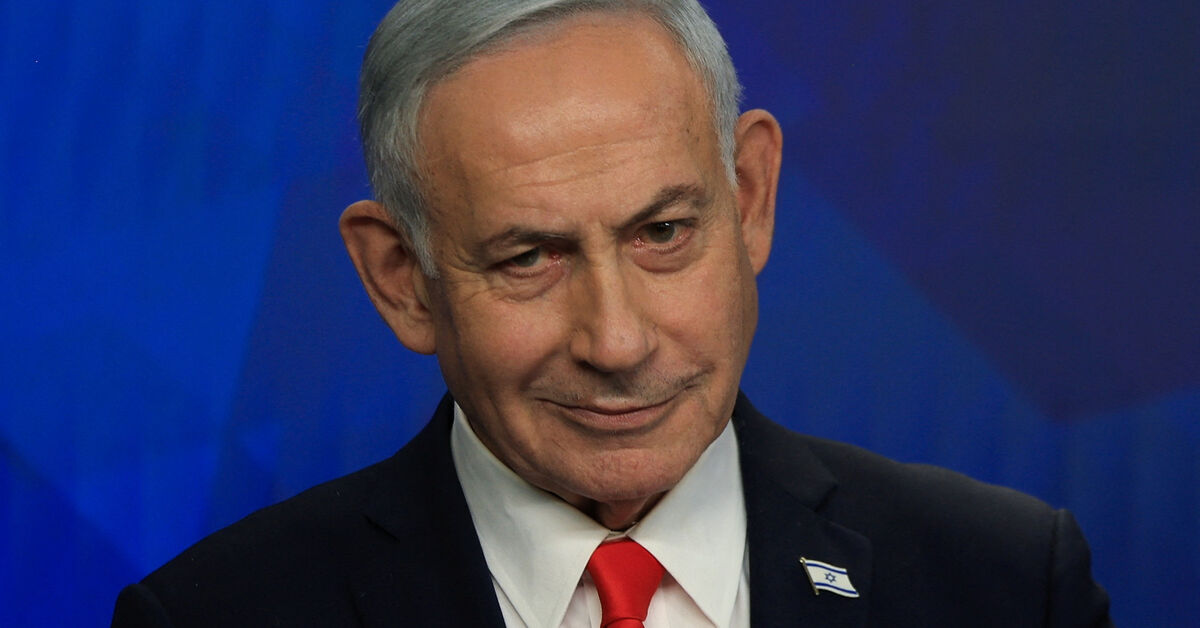
Austria, Portugal, Trinidad and Tobago and Zimbabwe elected to UN Security Council
The UN General Assembly elected four new Security Council members for 2027-28, while a fifth seat remained undecided.
Intelligence analysis by GPT-5.4 Mini
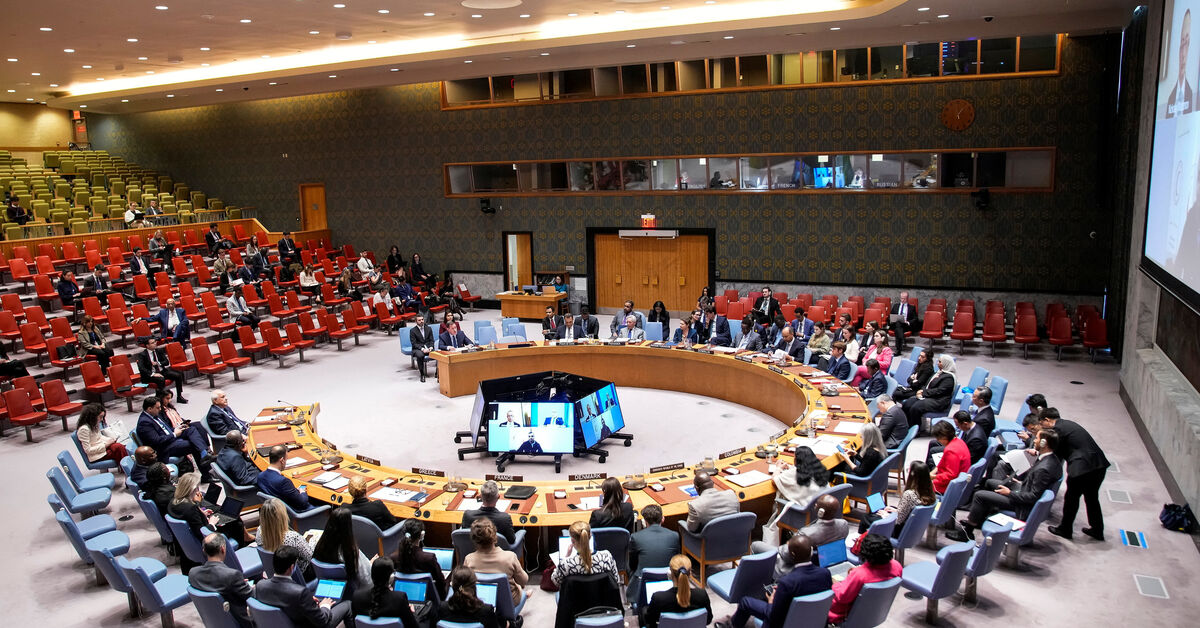
Austria, Portugal, Trinidad and Tobago and Zimbabwe won two-year seats on the UN Security Council starting January 1, 2027. The remaining Asia-Pacific seat was still being contested between the Philippines and Kyrgyzstan.
The UN picked four new countries to sit on its big security team, which helps decide important world rules. One chair is still open, like a game where one last player has not been chosen yet.
Analysis
What happened
The UN General Assembly elected Austria, Portugal, Trinidad and Tobago, and Zimbabwe to the 15-member Security Council for two-year terms beginning on January 1, 2027. A third round of voting was still underway to decide the fifth seat, with the Philippines and Kyrgyzstan competing for it.
How the seats broke down
This election cycle fills five rotating seats: one for the Africa Group, one for the Latin American and Caribbean Group, one for the Asia-Pacific Group, and two for the Western European and Others Group. Zimbabwe will replace Somalia, Trinidad and Tobago will replace Panama, and Portugal and Austria will replace Denmark and Greece. The final Asia-Pacific seat was to replace Pakistan.
Wider significance
The article notes that Germany had campaigned hard for a seat but finished third in the contest for the two Western European and Others Group places, receiving 104 votes versus 134 for Portugal and 131 for Austria. That result matters because Security Council membership is one of the most visible ways countries try to shape UN diplomacy.
The council remains the only UN body that can issue legally binding decisions, including sanctions and authorizations for force. For Middle East watchers, the lineup matters because the council regularly handles questions involving Israel, Palestine, Iran, Lebanon, Syria, and broader regional security. Even though this story is about elections rather than policy, it sets the table for who will help steer those debates from 2027 onward.
Key points
- Austria, Portugal, Trinidad and Tobago, and Zimbabwe won seats on the UN Security Council for 2027-28.
- A fifth seat was still undecided between the Philippines and Kyrgyzstan after a third round of voting.
- Germany fell short in its bid for a Western European and Others Group seat.
- The Security Council can impose sanctions and authorize the use of force, making its membership diplomatically important.
- The new seats will matter for future debates on global crises, including Middle East conflicts.
If the new members work well together, the Council could have a broader mix of views when it deals with major global and Middle East security issues. The rotation also gives smaller and mid-sized states a chance to shape debates on sanctions, ceasefires, and conflict response.
The election does not guarantee smoother action, since the Security Council is still divided by the veto powers of its permanent members. Even with new elected members, major disputes on Middle East conflicts can still stall or produce weak outcomes.