Avalanches, climate change & more: Why Himalayas are getting riskier for climbers
Avalanches, climate change, and overcrowding are making the Himalayas riskier for climbers. Experts say the impact of climate change is visible in the Western Himalayas, with frequent avalanches and extreme weather events.
Intelligence analysis by Llama
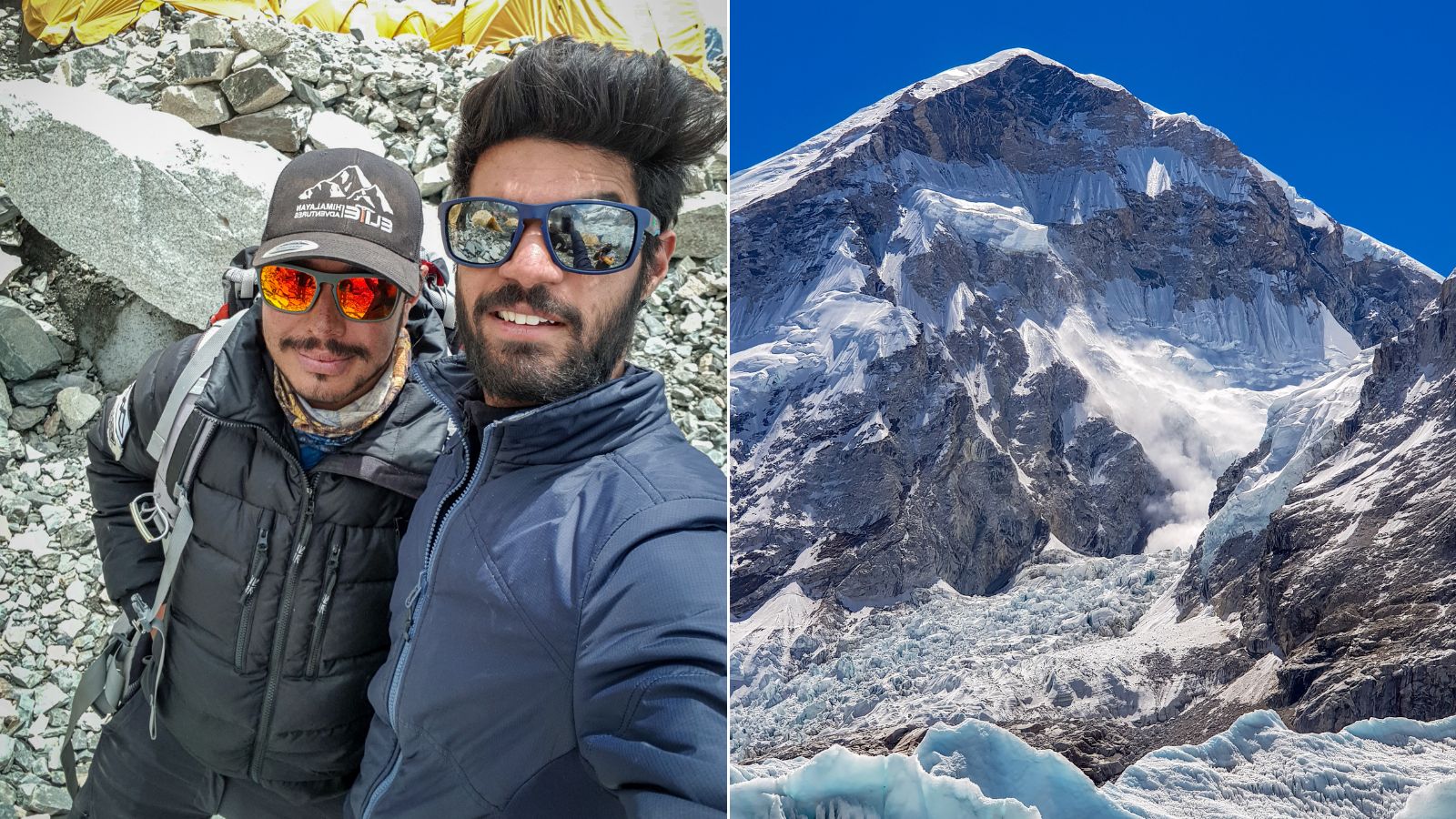
The Himalayas are becoming increasingly treacherous for climbers due to avalanches, climate change, and overcrowding. Experts warn that the impact of climate change is evident in the Western Himalayas, with frequent avalanches and extreme weather events posing significant risks to climbers.
The Himalayas are becoming a more dangerous place for climbers due to avalanches, climate change, and overcrowding. Climbers need to be aware of these risks and take necessary precautions to stay safe.
Analysis
A Growing Concern: Avalanches in the Himalayas
The recent avalanche on Broad Peak in Pakistan's Karakoram Range, which resulted in the deaths of 10 climbers, including renowned Nepalese mountaineer Nirmal Purja, has brought attention to the growing concern of avalanches in the Himalayas. Experts say that the impact of climate change is clearly visible in the Western Himalayas, which is bearing the brunt of the changing weather events.
According to Dr. Hasan Raja Naqvi, an Assistant Professor of geography at New Delhi's Jamia Millia Islamia, the highest avalanche risk period is between February and April, due to the high snowfall during the winter months. Naqvi also notes that there has been an increase in avalanche occurrence in recent decades in Western Himalayas, as per a report by the scientists at the Institute for Environmental Sciences at the University of Geneva.
Apart from frequent avalanches, weather events like snow blizzards, intense snowfall, and extreme precipitation remain challenges at the high altitude. In order to reduce risk, mountaineers often resort to ascending critical patches on high mountains during night hours. Overcrowding at the Himalayas has also posed several challenges for the climbers.
The Death Zone: Climbing at High Altitude
Climbers call 8,000 altitudes the 'death zone', where the body stops working because of the lack of oxygen. At high altitude, people start experiencing High Altitude Cerebral Edema (HACE), where lack of oxygen results in brain swelling, and High-Altitude Pulmonary Edema (HAPE), where fluid builds up in the lungs.
Rizza Alee, who attempted to climb Mount Everest in 2019, shares his experience of having to turn down at 800 meters before the summit as his oxygen regulator broke. He could see the summit, but he turned back, realizing that he would have definitely died on his way back.
The Need for Caution
The increasing risk to climbers in the Himalayas is a concern for the climbing community and highlights the need for greater awareness and caution when tackling these high-altitude mountains. Climbers must be aware of the risks associated with avalanches, climate change, and overcrowding, and take necessary precautions to ensure their safety.
Key points
- Avalanches, climate change, and overcrowding are making the Himalayas riskier for climbers.
- Experts say the impact of climate change is visible in the Western Himalayas, with frequent avalanches and extreme weather events.
- Climbers must be aware of the risks associated with avalanches, climate change, and overcrowding, and take necessary precautions to ensure their safety.
- The climbing community can work together to develop strategies to mitigate the impact of climate change on the Himalayas.
If climbers take necessary precautions and are aware of the risks associated with avalanches, climate change, and overcrowding, they can continue to tackle the Himalayas safely. Additionally, the climbing community can work together to develop strategies to mitigate the impact of climate change on the Himalayas.
If the climbing community does not take necessary precautions and is not aware of the risks associated with avalanches, climate change, and overcrowding, the number of accidents and fatalities in the Himalayas will continue to rise. Furthermore, the impact of climate change on the Himalayas will only worsen, making it even more challenging for climbers to tackle these high-altitude mountains.