Average person eats six times more chicken than in 1961, UN report finds
A UN report says global meat supply has quadrupled since 1961, with chicken and pork rising sharply and livestock set to drive more emissions.
Intelligence analysis by GPT-5.4 Mini
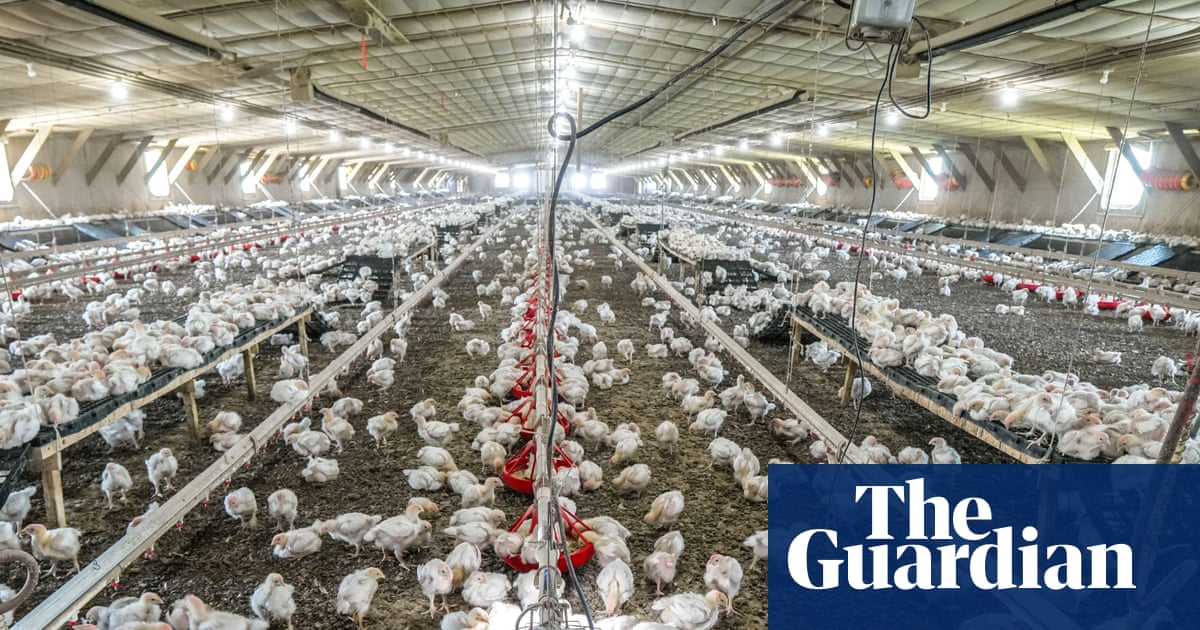
The FAO says meat supply keeps climbing, especially chicken and pork, while beef has stayed flat. The report highlights unequal access, waste, and the climate strain from livestock, but stops short of urging rich countries to cut meat.
The world’s meat basket has gotten much fuller, especially with chicken. It is like a dinner table where one dish keeps growing fast, but making that food can also create a lot of pollution and not everyone can afford it.
Analysis
Consumption keeps climbing
The FAO says the average global meat supply rose from 25kg per person in 1961 to 47kg in 2022. Chicken rose from below 3kg per person to 17kg, and pork doubled to 15kg over the same period, while beef stayed at 9kg.
A food-system and climate issue
The report says agriculture is the second most polluting sector of the global economy, and forecasts that its planet-heating emissions will rise by 7.6% over the next decade. Livestock is responsible for an estimated 80% of that increase. The FAO also says about 14% of meat and milk is lost during production or wasted after reaching shops, supermarkets, and restaurants.
Unequal access and an unresolved policy gap
The report says animal foods are much more expensive relative to incomes in low- and middle-income countries, where food insecurity is already common. In richer countries, however, doctors and climate scientists increasingly recommend eating less meat. The IPCC has identified a shift from meat-heavy diets to plant-rich diets as one of the most effective ways to cut emissions, but the FAO report does not recommend that wealthy countries reduce meat consumption.
Some researchers quoted in the story say the report clearly describes the problem but stops short of the conclusion they would expect. The FAO says its aim is to help policymakers support healthy diets and reduce harms from meat production, including greenhouse gas emissions and antimicrobial resistance, while still recognising meat’s nutritional role.
Key points
- Global meat supply rose from 25kg per person in 1961 to 47kg in 2022.
- Chicken supply climbed from below 3kg per person to 17kg over the same period.
- The FAO expects agricultural emissions to rise 7.6% over the next decade, with livestock driving most of the increase.
- About 14% of meat and milk is lost or wasted during production and after retail.
- The report notes unequal access to animal foods, but does not call on wealthy countries to eat less meat.
If the FAO’s call for better technology and innovation is heeded, meat production could become cleaner without losing its nutritional benefits. Cutting waste and reducing emissions from livestock could also ease pressure on food systems while keeping animal foods available where they matter most.
If meat demand keeps rising without change, livestock emissions could keep climbing and make climate goals harder to reach. The report also suggests that waste and unequal access could persist, leaving low-income countries constrained while richer countries continue high consumption.