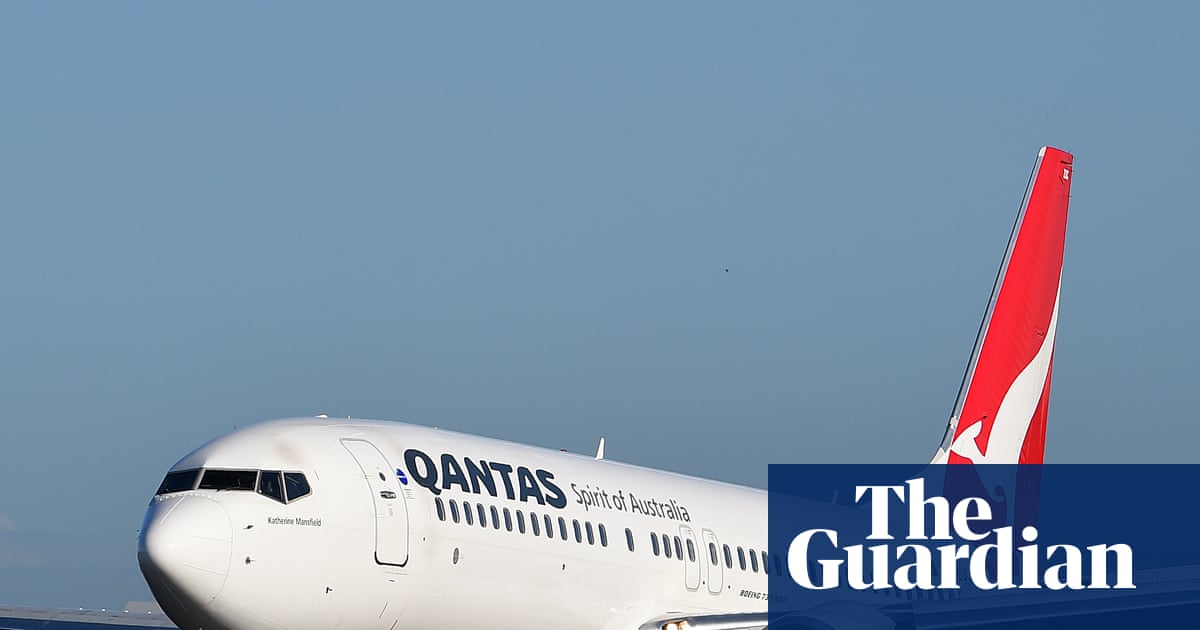
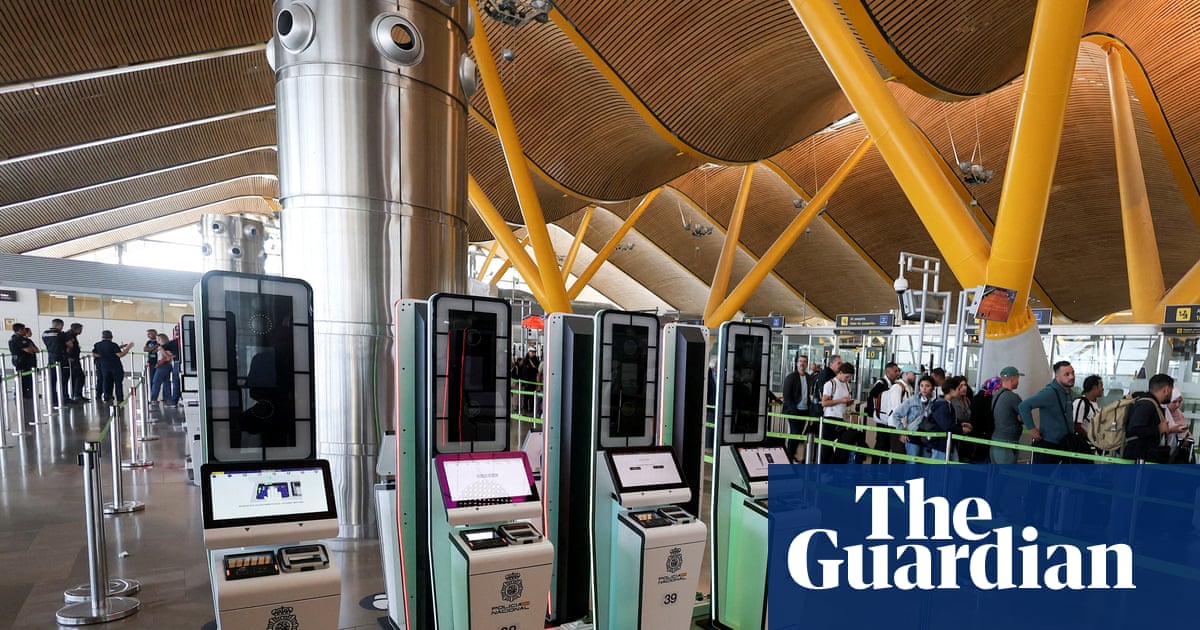
Aviation faces hotter, stormier skies – and passengers might have to accept more disruption
Climate change is increasing the likelihood of severe weather events, leading to more air traffic disruption. Passengers may face increased delays and cancellations as storms impact airspace.
Intelligence analysis by Gemini 2.5 Flash Lite

The aviation industry is bracing for more frequent and severe weather disruptions due to climate change. Recent events, like the chaos at London airports in June caused by thunderstorms, highlight the vulnerability of air travel to unstable weather systems. Experts warn that simultaneous disruptions across multiple airports could lead to significant passenger inconvenience and even sa…
Imagine the sky is like a busy highway for airplanes. When big storms happen, it's like a traffic jam on the highway, forcing planes to wait or take detours. Climate change is making these storms bigger and more unpredictable, so these traffic jams might happen more often, making flights delayed or cancelled.
Analysis
Convective Activity
Thunderstorms, a primary cause of recent air traffic disruptions, are a product of convective activity. This phenomenon occurs when warm, moist air near the ground heats up rapidly and ascends. As this air rises, it cools, causing its moisture to condense and form large clouds. The intensification of global warming means more heat is available, potentially creating greater atmospheric instability. Furthermore, for every degree Celsius the Earth warms, the atmosphere gains the capacity to hold approximately 7% more moisture, thereby increasing the likelihood of heavy rainfall events. While it is not definitively established whether this will translate to an absolute increase in thunderstorm frequency across all regions, particularly in the UK and Europe, due to the complex interplay of numerous variables beyond just energy and moisture, studies do indicate that higher latitudes, especially in the Northern Hemisphere, are likely to experience more significant weather pattern shifts.
Tim Atkinson's Warning
Tim Atkinson, an airline risk consultant and former pilot, has voiced significant concerns about the aviation sector's preparedness for escalating climate change impacts. He points to the already congested skies over the UK and Northern Europe as a region particularly susceptible to cascading failures. Atkinson posits a credible risk where simultaneous severe weather events could ground operations at all of London's major airports. Such a scenario, he argues, would dwarf the disruption experienced in June, potentially leading to a situation where aircraft are stranded with dwindling fuel reserves, creating a "very serious risk event, such as an aircraft running out of fuel in the sky." This heightened risk stems from the unpredictability of modern weather systems, which can now incapacitate entire air traffic control infrastructures with little notice, a stark contrast to the more localized and manageable weather events of the past.
Andrew Charlton's Counterpoint
While acknowledging the theoretical possibility of worst-case scenarios, Andrew Charlton, a former airline executive and manager at Aviation Advocacy, offers a more tempered perspective. He believes that while it is important to consider extreme possibilities, the aviation industry possesses a robust capacity to adapt and make sound decisions in crisis situations. Charlton suggests that the likelihood of a catastrophic, widespread failure due to weather is relatively low, and it does not rank as a top concern that would disrupt his sleep. His view implies a confidence in the industry's established contingency plans, pilot training, and air traffic control protocols to manage even severe weather events without escalating to the extreme risks outlined by Atkinson. The industry's historical performance in navigating complex operational challenges, including adverse weather, underpins this more optimistic outlook on its resilience.
Key points
- Climate change is increasing the frequency and intensity of severe weather events like thunderstorms.
- Congested airspace, particularly in regions like the UK and Northern Europe, makes aviation highly vulnerable to weather disruptions.
- Simultaneous disruptions across multiple airports could lead to significant passenger delays, cancellations, and potential safety risks.
- While some experts warn of severe consequences, others express confidence in the industry's ability to manage such events.
The aviation industry's proven ability to adapt and make sound decisions during crises suggests it can effectively manage increased weather disruptions. Enhanced forecasting and contingency planning could mitigate the impact of severe weather, ensuring passenger safety and minimizing delays.
The increasing frequency and intensity of extreme weather events, exacerbated by climate change, pose a significant risk to air traffic stability. A scenario where multiple major airports are simultaneously affected by storms could lead to widespread cancellations, severe passenger disruption, and potentially critical safety issues.