Aviation industry looks skywards as leaders fly in for Rio summit
Airline leaders meet in Rio as jet fuel stays expensive but Europe sees no shortage yet. War risks, hedging choices and takeover talk are shaping the mood.
Intelligence analysis by GPT-5.4 Mini
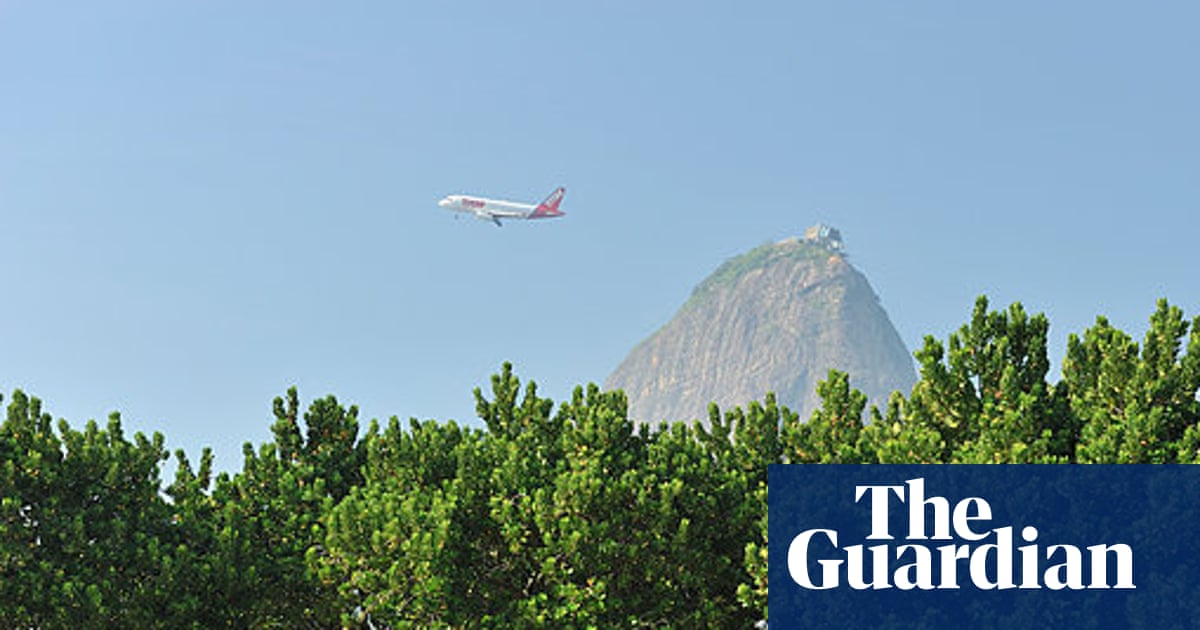
The aviation industry is gathering in Rio with fuel prices still elevated, but without the supply panic that had been feared. The story is less about immediate collapse than about how airlines manage cost pressure, regional disruption and uncertainty.
Airlines are like buses that run on very expensive fuel. Right now the fuel is costly, wars are making things uncertain, and companies are trying hard not to lose money while still keeping planes in the air.
Analysis
Fuel costs are still the central worry
The Guardian frames the Rio Iata summit as a test of whether the airline industry is heading into a fresh squeeze or simply coping with another period of volatility. Jet fuel remains above $140 a barrel, far above the level seen at the previous summit in Delhi, and Cirium estimates fuel made up just over a quarter of global airline costs in 2025. The piece says every $1 increase in a barrel adds almost $3bn to annual fuel bills, which explains why airlines are still watching oil markets so closely.
No shortage, but plenty of uncertainty
Despite warnings of summer disruption, the article says airlines have not yet faced the fuel shortages some feared. The EU transport commissioner told Reuters there is currently no jet fuel shortage in Europe, and new sources of kerosene have been found in the US and West Africa. Even so, about 6% of available seats were removed from schedules worldwide over the last month, showing how carriers are adjusting capacity when costs are high and demand is uncertain.
The wider industry picture
The conflict involving the US, Israel and Iran is affecting the Gulf carriers especially, because their hubs, geography and growth model depend on stable airspace and regional transit flows. The article notes that operations in the Middle East were grounded when war broke out in late February and airspace closed. At the same time, fuel hedging strategies are under pressure: EasyJet has suspended hedging because price swings are so unpredictable, and its falling share price has made it a takeover target.
Environmental debate is present but subdued. Sustainable aviation fuels remain on the agenda, but the article says faith in them appears weak. Willie Walsh, who has pushed Iata members to adopt SAF, is leaving the role and moving to IndiGo, which has already cut a Delhi-Manchester route because fuel costs are too high. The overall picture is of an industry that is still flying, but with cost pressure, geopolitical risk and strategic reshuffling all building at once.
Key points
- Airline leaders are meeting in Rio while jet fuel stays expensive but no Europe-wide shortage has emerged.
- Cirium says jet fuel was just over a quarter of global airline costs in 2025, and every $1 a barrel adds nearly $3bn to the annual bill.
- About 6% of available seats were removed from airline schedules worldwide over the last month as carriers reacted to cost and demand uncertainty.
- The US-Israel-Iran conflict is affecting Gulf carriers and highlighting how exposed aviation is to regional instability.
- EasyJet is suspending hedging amid price volatility and has become a takeover target, while SAF enthusiasm appears to be fading.
- Willie Walsh is leaving Iata and moving to IndiGo after pushing airlines to back sustainable aviation fuels.
If fuel supply stays stable, airlines can keep most schedules running through the busy season. The article also suggests carriers with hedging or stronger finances may absorb the shock better and avoid the worst disruption.
If oil prices rise further or war-related disruption spreads, airline costs could jump again and pressure fares, routes and profits. The piece also shows how uncertainty can lead to seat cuts, suspended hedging and even takeover vulnerability for weaker carriers.