Babar Azam’s drop, recall show PCB’s short-term approach: Mohammad Wasim
Former Pakistan chief selector Mohammad Wasim criticized the Pakistan Cricket Board (PCB) for its short-term decision-making, citing the handling of Babar Azam's selection as a prime example.
Intelligence analysis by Gemini 2.5 Flash
Mohammad Wasim, a former chief selector, has voiced strong concerns over the Pakistan Cricket Board's inconsistent and short-sighted strategies, particularly highlighting the controversial dropping and subsequent recall of star batter Babar Azam based on Pakistan Super League performance. Wasim argues that such reactive decisions, coupled with a failure to address fundamental issues l…
Imagine your favorite sports team keeps changing its mind about who gets to play, even for the best players, based on just one game. That's what a former boss of Pakistan cricket is saying about how the main cricket board is running things. He thinks they're making quick decisions instead of having a good, long-term plan, which makes it hard for the team to be strong and win consistently.
Analysis
Mohammad Wasim's recent critique of the Pakistan Cricket Board (PCB) underscores a persistent challenge within the nation's cricketing administration: a perceived reliance on short-term fixes over strategic, long-term planning. His comments, made on ARY News’ programme 11th Hour, suggest that the PCB's approach to player management and team development is fundamentally flawed, leading to instability and hindering the team's potential.
Babar Azam
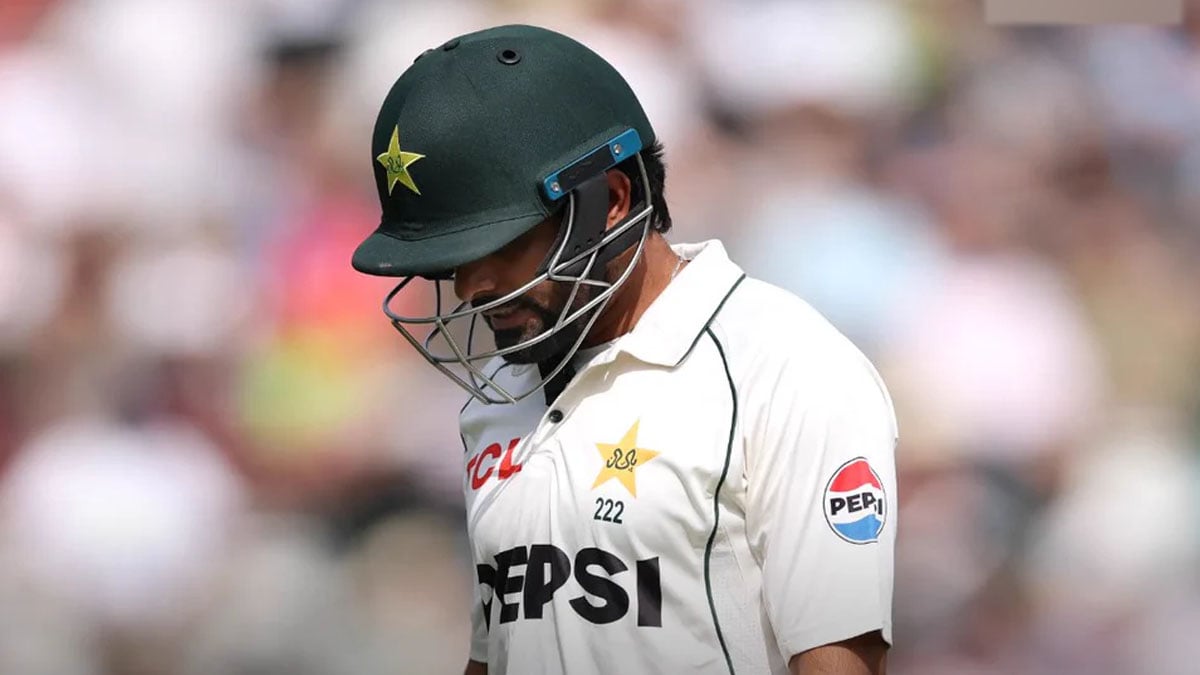
The case of Babar Azam serves as a central illustration of Wasim's concerns regarding the PCB's decision-making. Azam, a prominent batter, was reportedly dropped from the team only to be recalled based on his performance in the Pakistan Super League (PSL). This fluctuating stance, according to Wasim, exemplifies the PCB's tendency to make reactive choices rather than adhering to a consistent selection philosophy.
Such an approach not only creates uncertainty for players but also signals a lack of clear direction from the board. Wasim questioned the rationale behind selecting players for overseas tours only to send them back, indicating a deeper issue with how talent is identified, nurtured, and integrated into the national squad. The instability surrounding key players like Azam can undermine team morale and performance on the international stage.
Mohammad Wasim
Wasim's criticism extends beyond individual player handling to the broader systemic issues plaguing Pakistan cricket. He emphasized that while there is no shortage of talent, the real problem lies in decision-making at the administrative level. He expressed significant concern over the lack of positive outcomes from various coaching arrangements, training camps, and player-selection policies implemented by the PCB.
His analysis points to a disconnect between the resources invested and the results achieved, suggesting that fundamental problems are being overlooked in favor of superficial changes. Wasim also touched upon the issue of player injuries and a visible lack of confidence among some players, citing Imam-ul-Haq's injury around the Multan Test as an example where the matter only came to light at the last minute, highlighting potential communication or management gaps.
Sarfraz Ahmed
The former chief selector also brought up the controversial appointment and subsequent removal of Sarfraz Ahmed as Test coach, further illustrating the PCB's inconsistent policy-making. Wasim stated that he had opposed Sarfraz's appointment at the time, indicating a disagreement with the initial decision. However, he also criticized the manner in which Sarfraz was later removed, deeming it inappropriate.
This episode, like the handling of Babar Azam, reinforces Wasim's central argument that Pakistan cricket desperately needs consistent, long-term planning. The repeated changes in decisions and policies, whether concerning player selection or coaching appointments, create an environment of uncertainty and prevent the establishment of a stable, high-performing cricketing structure. Without a coherent vision and steadfast execution, Pakistan cricket will continue to face difficulties, as Wasim predicts.
Key points
- Former chief selector Mohammad Wasim criticized the PCB's short-term decision-making.
- The handling of Babar Azam's drop and recall is cited as a prime example of this approach.
- Wasim believes fundamental issues in Pakistan cricket, like player confidence and coaching, are not being addressed.
- He expressed concern over the lack of positive results from current coaching and selection policies.
- Wasim also highlighted the inconsistent handling of Sarfraz Ahmed's coaching appointment and removal.
If the Pakistan Cricket Board heeds Mohammad Wasim's advice, it could lead to the implementation of more consistent, long-term strategies for player development and team management. This shift could foster greater stability, improve player confidence, and ultimately enhance Pakistan's performance in international cricket.
Should the PCB continue its current short-term approach, Pakistan cricket risks ongoing instability, inconsistent team performance, and a failure to fully develop its abundant talent. This could lead to a decline in player morale and a struggle to compete effectively on the global stage.