Bangladesh raises electricity prices in Mideast war-related hike
Bangladesh raised electricity prices 16% as it tries to ease fiscal pressure from higher energy costs tied to the Middle East conflict.
Intelligence analysis by GPT-5.4 Mini
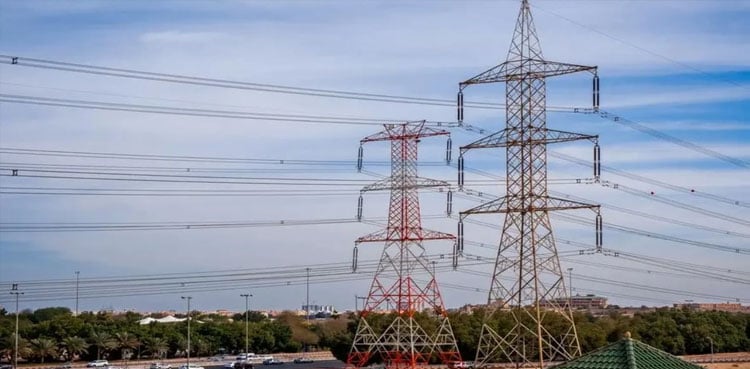
Bangladesh has increased electricity tariffs and recently raised fuel prices too, saying the moves are needed to manage state finances and energy-security pressures linked to the war in the Middle East. The hikes come as inflation stays high and summer demand rises.
Bangladesh is paying more for electricity because its energy bills went up after war-related fuel costs rose. It is like a family having to spend more on groceries and bus fare at the same time, so less money is left for everything else.
Analysis
What changed
Bangladesh raised electricity prices by 16 percent on Wednesday, according to the article, in what it described as the latest move to ease pressure on state finances linked to the conflict in the Middle East. The increase came two days after fuel prices were also raised.
Why the government is doing this
The country depends heavily on imported energy. The report says around 44 percent of installed capacity comes from natural gas, while 24 percent comes from coal and another 24 percent from oil and diesel, according to the Bangladesh Power Development Board. That dependence has left the government exposed to higher fuel costs.
Consumer pressure
The article says the hikes add more strain to people already dealing with long-running inflation, which reached 9.04 percent in April. It also notes that summer demand is rising, with temperatures in Dhaka reaching 35C, and that rural areas have faced power disruptions even as the capital and major cities have largely avoided frequent outages.
Policy backdrop
Dhaka said in March it was seeking about $2 billion in loans from multilateral donors to address energy-security concerns triggered by surging fuel prices caused by the Iran war. In May, the IMF said it was negotiating a new assistance programme at Bangladesh's request. Bangladesh is already under a $5.7 billion IMF programme that started in 2023 and was meant to run for four years.
The article also says Bangladesh's first nuclear power plant is nearing operational readiness, with the first uranium fuel loading already completed, suggesting the government is looking for longer-term supply relief.
Key points
- Bangladesh raised electricity prices by 16 percent on Wednesday.
- The government says the move is meant to ease pressure on state finances linked to the Middle East conflict.
- Fuel prices were also raised two days earlier, while diesel was left unchanged.
- Inflation was 9.04 percent in April, adding strain for consumers.
- Bangladesh has asked multilateral lenders for help and is in IMF talks for new support.
If the government’s borrowing plans and IMF talks provide relief, Bangladesh could get more room to manage energy costs without sudden shocks. The near-ready nuclear plant may also add a new power source and ease some pressure over time.
If fuel prices stay high, the higher electricity bills could add to inflation and make daily life more expensive for households already under pressure. Rural outages and summer demand could also worsen if energy supplies remain tight.