Bank of England warns of AI scams as deepfakes of Farage-Bailey fight spread
The Bank of England warned about AI-generated scams after deepfake videos showing Nigel Farage fighting Andrew Bailey spread on X.
Intelligence analysis by GPT-5.4 Mini
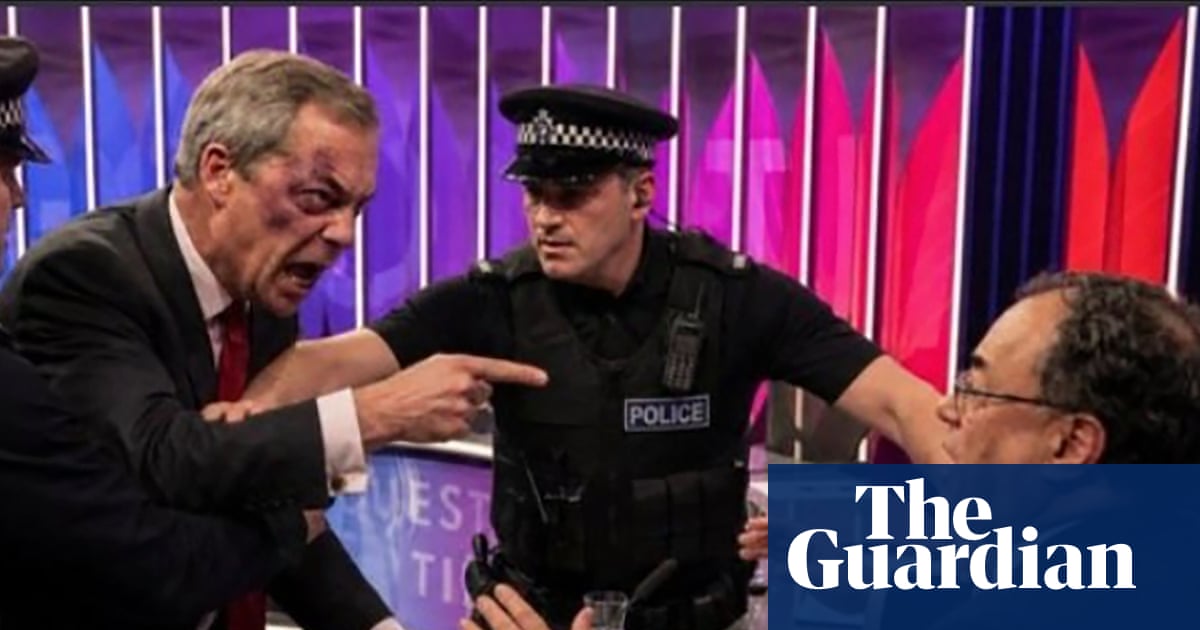
Andrew Bailey said fake ads and AI-generated content impersonating central banks are rising, and urged the public to report them. The warning came after deepfake videos of him and Nigel Farage circulated on X, including one that showed a fictional fight in the Question Time studio.
A computer-made fake video spread online showing two real people fighting, even though it never happened. The Bank of England is warning people because these fake clips can trick people like a fake shop sign tricks shoppers.
Analysis
What happened
The Bank of England warned the public not to trust AI-generated scams after deepfake videos of its governor, Andrew Bailey, and Reform UK leader Nigel Farage spread on X. The videos falsely showed the two men fighting in the BBC One Question Time studio, with some versions depicting police separating them and one even showing Farage holding a gun.
What the Bank said
Bailey said AI-generated content tied to central banks was spreading and told people to stay vigilant. He also urged users to report the posts so they could be taken down. In his words, fake adverts impersonating the Bank of England and other central banks are increasing, and the scams are meant to criminally exploit people online, especially the vulnerable.
Wider context
Farage responded on X, saying that while he and Bailey disagree on the economy, he would never attack him. The Bank has also raised concerns about the posts with Reform UK and with social media platforms, according to Bloomberg.
The article places this episode in a broader pattern: AI tools have made impersonation scams easier to produce and more believable, especially video deepfakes. Personal finance campaigner Martin Lewis has also warned about a “wild west” of scams powered by AI.
Regulation angle
The UK’s Online Safety Act includes duties aimed at fraudulent advertising, but those duties do not take effect until next year. X says it bars impersonation intended to deceive others, but the platform has not yet commented on this specific case.
Key points
- The Bank of England warned about AI-generated scams after deepfake videos of Andrew Bailey and Nigel Farage spread on X.
- Bailey said fake adverts impersonating the Bank of England and other central banks are rising.
- He urged the public to report suspicious posts so authorities can remove them.
- Farage said on X that he would not attack Bailey despite their disagreements on the economy.
- The article says AI-driven impersonation scams are becoming more convincing, while some platform obligations under the Online Safety Act are still pending.
If people report fake posts quickly, platforms and authorities may be able to remove more scams before they spread widely. The warning could also make users more careful about trusting flashy videos and fake ads online.
If deepfakes keep improving faster than detection and moderation, more people could be fooled by fake financial ads and impersonations. The article also notes that stronger platform duties under the Online Safety Act do not take effect until next year, leaving a gap in the meantime.