Bank transactions above Rs. 100 million to be reported
Pakistan introduces new law requiring banks to report high-value banking transactions for tax evasion prevention.
Intelligence analysis by Qwen 2.5 (3B)
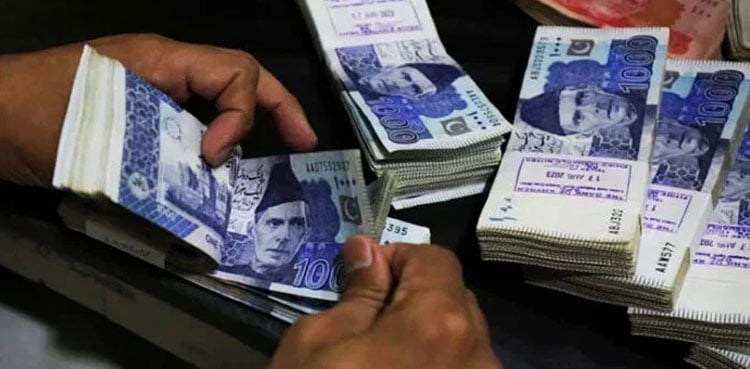
The government of Pakistan has implemented a new Finance Act 2026 that mandates banks and financial institutions to disclose details of bank accounts with cumulative deposits or withdrawals exceeding Rs. 100 million over six months.
The government wants banks to tell them about big money moves in people's accounts. They'll share details like how much was put in or taken out, when it happened, and how much they had at their highest point. This helps catch people who don't pay taxes properly.
Analysis
{"# A $60B Vote of Confidence":"- The new provision Section 165AB in the Income Tax Ordinance, 2001, requires banks to upload financial transaction data for analysis with taxpayers' income and tax information.\n- Data includes deposits, withdrawals, account balances, credit balances, and total credits received across multiple accounts.","# Why Cursor?":"- The law mandates biannual reporting of transactions from July 1st to December 31st and January 1st to June 30th each fiscal year.\n- All major types of bank accounts are covered, including current, savings, fixed deposit, and term deposit accounts.","# The Road Ahead":"- The data will be processed through a digital system with safeguards against misuse.\n- If discrepancies between declared income and transactions are found, the FBR's automated system will refer cases to the National Faceless Centre for legal action."}
Key points
- New Finance Act 2026 mandates reporting of high-value banking transactions
- Data includes deposits, withdrawals, account balances, and credit balances
- Reporting is biannual with data submitted twice a year
- Data will be processed through a digital system with safeguards against misuse
This law could help the government get more tax from wealthy individuals and businesses, improving overall revenue collection.
There might be issues with data accuracy or privacy concerns if banks are forced to share sensitive information about their customers' financial activities.