Barclays to buy GoHenry kids’ debit card and money app
Barclays will buy GoHenry’s UK business to strengthen its youth banking offer. The price was not disclosed and the deal is expected to close next year.
Intelligence analysis by GPT-5.4 Mini
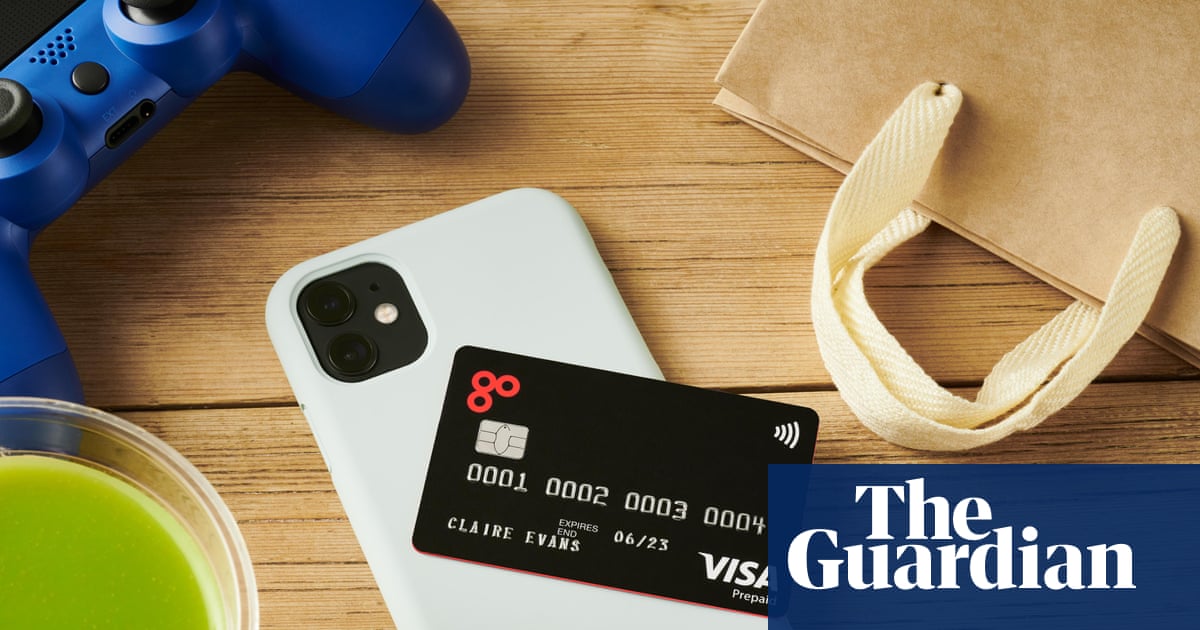
Barclays is buying the UK arm of GoHenry, a children’s debit card and money app, as it tries to deepen ties with families and compete for younger customers. The deal leaves GoHenry’s US business with Acorns.
Barclays is buying a money app for kids, like getting a bigger school lunch line so more children can learn to save and spend safely. The bank wants families to stay with it as kids grow up.
Analysis
What Barclays is buying
Barclays has agreed to buy the UK business of GoHenry, the children’s money app and prepaid debit card service. The brand will stay GoHenry, and Acorns will keep the company’s US branch. The price was not disclosed, and the deal is expected to finish next year.
What GoHenry does
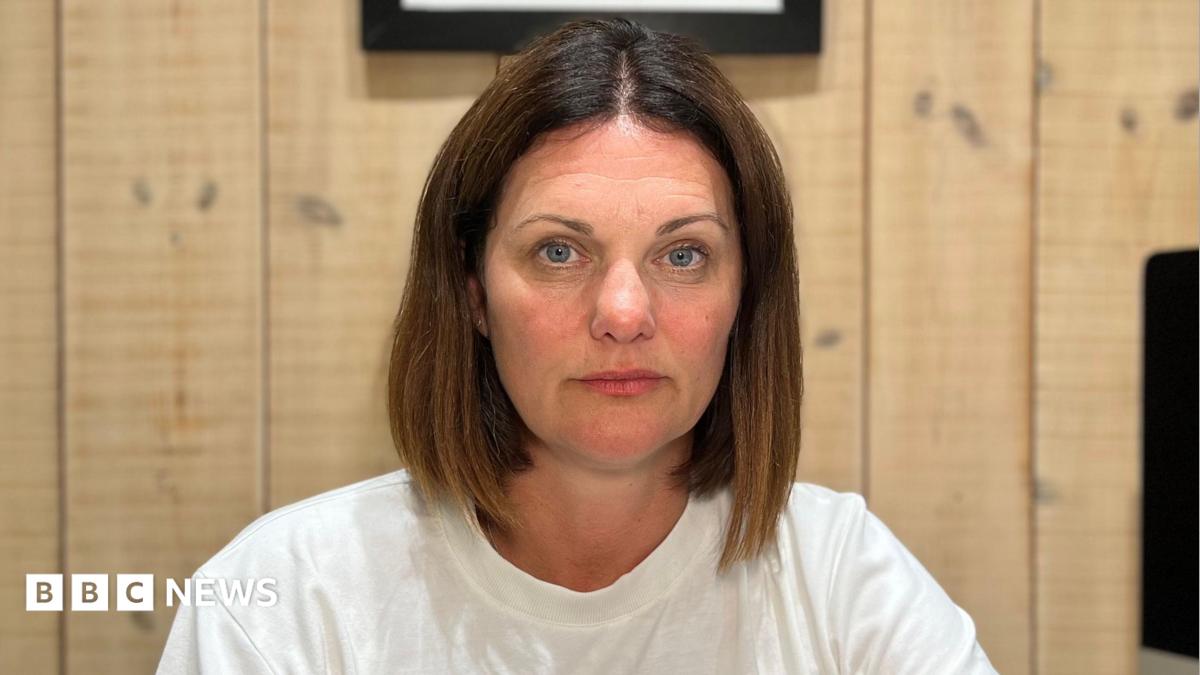
GoHenry was founded in 2012 by Louise Hill to help children learn how to manage money. It offers personalised debit cards with parental controls, plus an app for saving, investing, and money lessons for children aged six to 18. The article says about 500,000 children in the UK use it, and the company has more than 2 million customers across France, Spain, Italy, the US, and the UK.
Why Barclays wants it
Barclays UK chief executive Vim Maru said the purchase would "turbocharge" the bank’s offering for households and families. The article frames the deal as part of a wider push by established banks to protect their customer pipeline from fintech rivals such as Revolut and Monzo, both of which have launched interest-bearing children’s savings accounts.
Competitive and financial context
The article says Barclays is playing catch-up with NatWest, which bought RoosterMoney in 2021. An analyst at RBC Capital Markets said GoHenry has been loss-making and that the deal is mainly about cross-selling and customer stickiness, since UK customers rarely switch banks. Barclays also told investors the purchase would reduce its CET1 ratio by about five basis points, but would not affect its 2026 or 2028 targets. Shares in the bank rose nearly 5% on Friday.
Key points
- Barclays will buy GoHenry’s UK business, while Acorns keeps the US branch.
- GoHenry serves children with prepaid debit cards, parental controls, and money lessons.
- The company says about 500,000 UK children use the app, and it has more than 2 million customers overall.
- Barclays wants to deepen its relationship with families and compete with fintech rivals and other banks.
- The bank said the deal would slightly reduce its CET1 ratio but not change its financial targets.
If the deal works, Barclays could become more useful to families and keep customers for longer as children grow into adult banking products. GoHenry could also gain more room to expand under a large bank while keeping its existing brand.
The article suggests the purchase may be more about grabbing customers than turning a profit, since GoHenry has been loss-making. Barclays is also taking on a market where fintech rivals and other big banks are already moving fast, so the acquisition may not be enough to close the gap.