'Baseless': Iran Denies Trump's Allegations of Attacks Against Indian Ships
Iran rejected Donald Trump’s claims that it attacked Indian ships, saying the accusations were baseless. The article says the dispute has fed market volatility and renewed focus on the Strait of Hormuz.
Intelligence analysis by GPT-5.4 Mini
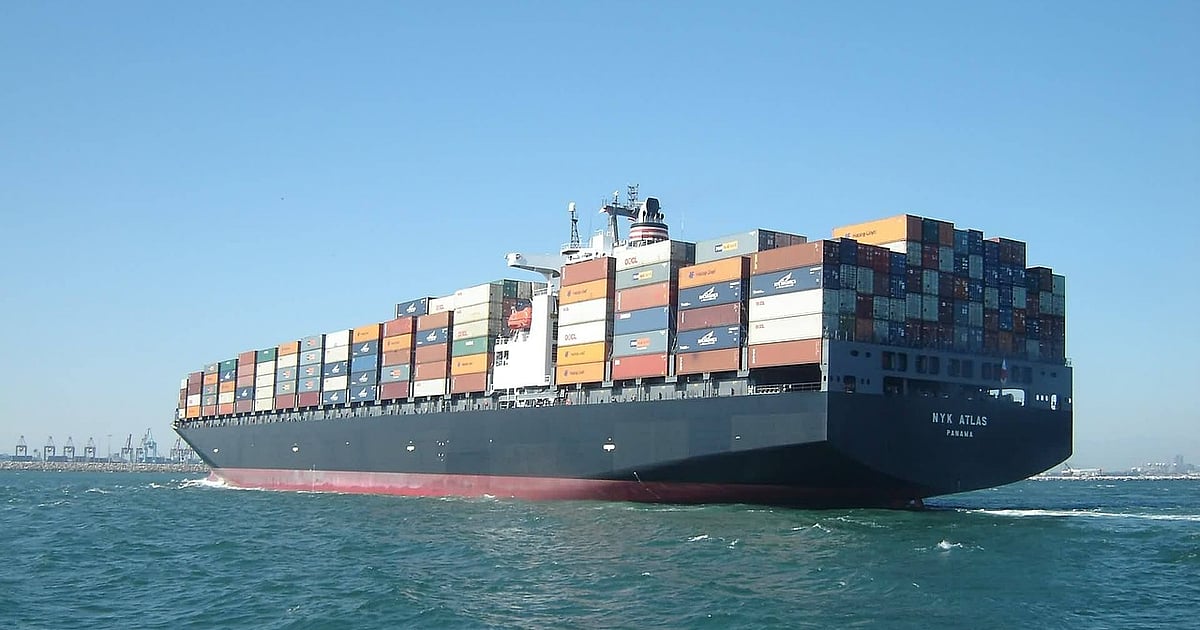
Iran’s mission in India denied Trump’s allegation that Tehran attacked Indian vessels in the Strait of Hormuz, and said the U.S. itself had attacked three Indian ships in under a week. The piece ties the row to wider geopolitical tension and its ripple effects on oil, equities, and the rupee.
Iran said it did not attack Indian ships and called the claim false. The story is like a storm near a busy bridge: even if the ships are far away, people worry because the route is important and prices can change fast.
Analysis
What Iran said
Iran’s mission in India rejected U.S. President Donald Trump’s allegation that Tehran was behind attacks on Indian ships in the Strait of Hormuz. Calling the accusation “simply baseless,” the mission said Washington was trying to divert attention from its own actions. It also claimed the United States had attacked three Indian vessels in less than a week and killed three Indian sailors.
Why the article focuses on markets too
Beyond the diplomatic exchange, the article links the dispute to wider financial-market reactions. It says reports of a possible U.S.-Iran deal briefly lifted global equities, with the Sensex rising sharply on 13 June 2026. The same coverage says easing tensions could lower crude oil prices and improve investor sentiment, while continuing uncertainty keeps gold, silver, and the rupee in focus.
Bigger picture
The Strait of Hormuz is described as a critical energy corridor, so tensions there matter far beyond the immediate military or diplomatic context. The article argues that the conflict has exposed vulnerabilities in global supply chains and energy markets. It also notes that market participants are staying cautious and looking for ways to diversify as the situation evolves.
The piece is framed as a response to Trump’s accusation, but it does not independently verify the competing claims about ship attacks. Its main verified takeaway is the sharp denial from Iran’s mission in India and the wider economic sensitivity around the Gulf route.
Key points
- Iran’s mission in India denied Trump’s claim that it attacked Indian vessels in the Strait of Hormuz.
- The mission called the accusation baseless and blamed the U.S. for attacks on three Indian ships, alleging three sailors were killed.
- The article links the dispute to swings in global markets, including a sharp rise in the Sensex.
- It says easing U.S.-Iran tensions could lower oil prices and improve investor sentiment.
- The Strait of Hormuz is presented as a critical trade and energy route with global spillovers.
If tensions cool and the Strait of Hormuz stays open and calm, shipping and energy markets could stabilize. The article says that would likely help oil prices ease and support investor confidence.
If the accusations and counter-accusations keep escalating, maritime security concerns could deepen. The article suggests that would keep crude, gold, the rupee, and broader markets under pressure.