Beau Lamarre-Condon trial: former police officer tells court of fatal confrontation with Jesse Baird and Luke Davies
Former officer Beau Lamarre-Condon claims he shot Jesse Baird in the shoulder to disarm him, not to kill him. He alleges Luke Davies then picked up the gun and shot himself.
Intelligence analysis by Gemini 2.5 Flash Lite
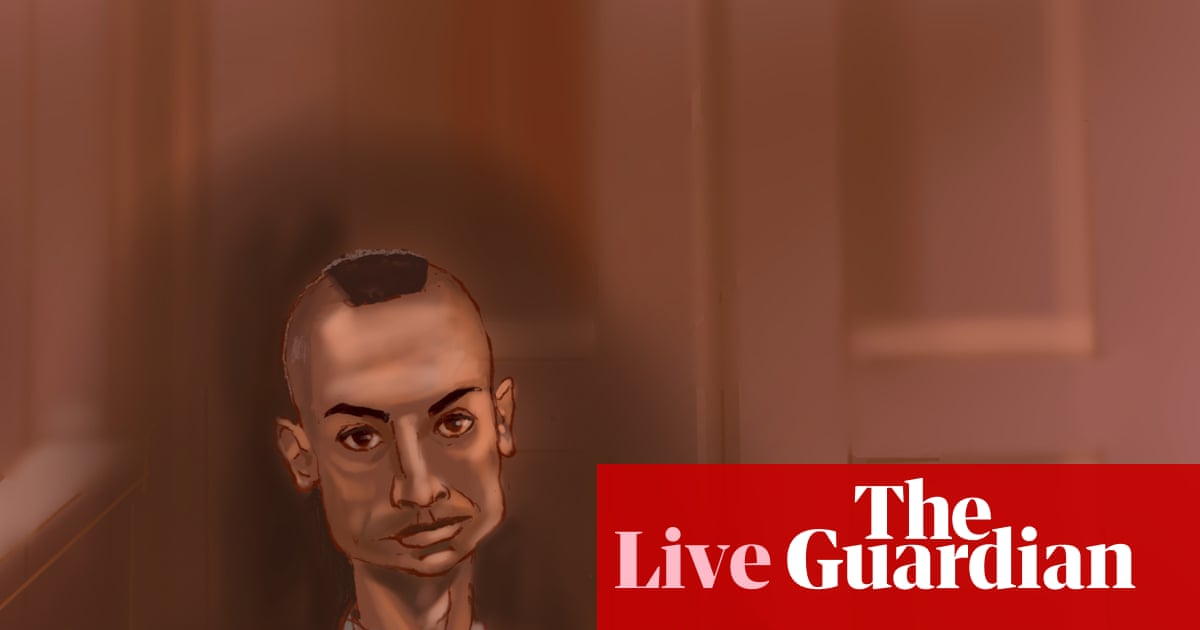
The trial of Beau Lamarre-Condon, accused of murdering Jesse Baird and Luke Davies, heard the former police officer's account of the fatal incident. Lamarre-Condon stated he intended to shoot Baird in the shoulder to make him drop a knife, asserting he did not want to kill him. He further claimed that Luke Davies then took possession of the weapon and shot himself.
Imagine a police officer is on trial for hurting two people. He says he was trying to get his stuff back and the first person attacked him with a knife. He shot the person in the arm to stop them, not to hurt them badly. Then, he says the second person grabbed the gun and accidentally shot themselves. He felt scared to tell the police what happened.
Analysis
Beau Lamarre-Condon's Account
Beau Lamarre-Condon, the former police officer accused of the murders of Jesse Baird and Luke Davies, has presented his version of events to the court. He claims that on February 19, 2024, he entered Baird's Paddington home to retrieve personal belongings, including an expensive Cartier ring. Lamarre-Condon stated he disguised himself as an Uber Eats rider to avoid direct confrontation with Jesse Baird. The court heard that Lamarre-Condon observed Baird with a knife and tape, preparing storage boxes. According to Lamarre-Condon, Baird then lunged at him with the knife, initiating a struggle.
Lamarre-Condon testified that his intention during the confrontation with Baird was to shoot him in the right shoulder, a move he believes was the "right move" to disarm Baird and prevent him from dropping the knife. He explicitly stated, "I did not want to kill Jesse and that was a very, very clear thought." He further elaborated that he did not intend to cause Baird physical harm. However, the narrative shifts when Lamarre-Condon claims Luke Davies subsequently picked up his service weapon and pointed it at him, leading to a second struggle during which Davies allegedly shot himself.
The Decision to Surrender
Following the alleged events, Lamarre-Condon admitted to discussing the disposal of the bodies with friends. He expressed significant fear regarding turning himself in to the police, citing concerns about his safety in jail, stating he believed he would be killed. Despite these fears, Lamarre-Condon eventually surrendered to authorities on February 27, 2024. He explained this decision by stating he "needed to do the right thing," indicating a turning point in his actions after the initial incident.
Legal Proceedings and Adjournment
The trial has seen the prosecution begin its cross-examination of Lamarre-Condon. The court heard his testimony regarding the events of that day, his alleged intentions, and his subsequent actions. The defense has presented Lamarre-Condon's plea of not guilty to the murder charges. The court has adjourned for the day and is scheduled to resume on Monday, with further proceedings expected to delve deeper into the evidence and testimonies presented.
Key points
- Former officer Beau Lamarre-Condon is on trial for the murders of Jesse Baird and Luke Davies.
- Lamarre-Condon claims he shot Jesse Baird in the shoulder to disarm him, not to kill him.
- He alleges Luke Davies then picked up the gun and shot himself.
- Lamarre-Condon disguised himself as an Uber Eats rider to enter Baird's home.
- He surrendered to police a week after the incident, citing fear for his safety in jail.
If Lamarre-Condon's account of self-defense and accidental death is accepted, it could lead to a resolution that acknowledges the tragic circumstances without a finding of murder. This would provide a form of closure for all parties involved, albeit under deeply unfortunate conditions.
The prosecution's cross-examination may reveal inconsistencies or evidence that contradicts Lamarre-Condon's claims, potentially leading to a murder conviction. The gravity of the charges and the use of a police-issued weapon in the alleged killings present a significant legal challenge for the defense.
