Beer boom goes flat as breweries call last orders
UK breweries are shrinking as closures outpace openings, with access to pubs, supermarket pressure and costs weighing on the sector.
Intelligence analysis by GPT-5.4 Mini
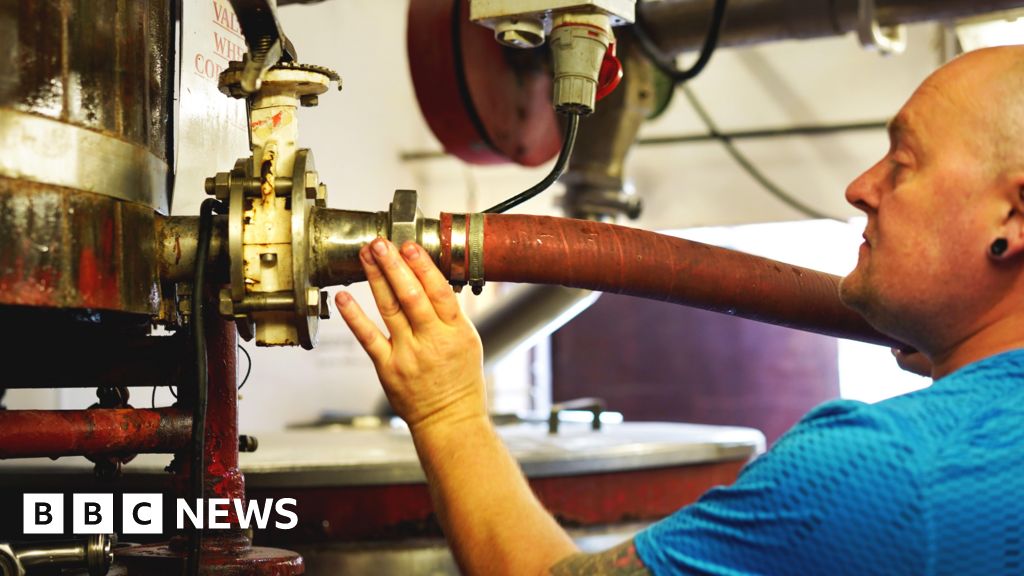
Britain’s beer-boom era has faded into contraction. Brewers say big pub chains, supermarket pricing pressure and rising costs are squeezing smaller operators out.
Britain used to have a big beer rush, with lots of new breweries opening. Now many of those businesses are closing, and fewer new ones are starting.
It is a bit like a neighborhood with lots of small shops, then a few giant stores arrive and make it hard for the small shops to sell their goods. Breweries say that is happening with pubs and supermarkets.
Some special beers are still doing well, and some breweries are trying new ideas like taprooms and visitor centers. But the article says the overall market is smaller than it used to be.
Analysis
A sector in retreat
The BBC says the UK beer industry is no longer in its post-2010s boom. Companies House data shows 320 businesses shut last year while only 170 opened, leaving a net loss of 150. The number of UK beer brewing companies fell to 2,320 in April, down from a peak of 2,594 in 2022.
Why smaller brewers are struggling
Campaign for Real Ale’s Tim Webb says access to market is a major issue. He argues large brewing groups own draught lines in pubs, making it harder for independents to get on tap. The article also says smaller breweries can be blocked from supermarkets because bigger brands undercut them on price. BBC reporting adds that some closures reflect lingering Covid effects, but changing consumer habits are also important.
What is still working
Not all beer is weak. The article says heritage beers, craft beers and some unusual new styles are holding up or growing, while mainstream lager is shrinking. Hook Norton, one of England’s oldest breweries, has cut output to about half of what it made 15 years ago, but has diversified with a visitor centre and microbrewery. Siba’s Andy Slee says many independents are opening taprooms and changing their business model to survive. The article frames the issue as more than a business trend: when a brewery or pub closes, a local meeting place, employer and taxpayer can disappear too.
Key points
- More UK breweries shut last year than opened, leaving a net loss of 150 businesses.
- The number of brewing companies fell to 2,320 in April, below the 2022 peak of 2,594.
- Brewers and campaigners say access to pubs and supermarket pricing pressure are hurting independents.
- Heritage beers, craft beers and some newer styles are holding up better than mainstream lager.
- Some breweries are diversifying with taprooms and visitor centers to survive.