Beijing’s mediating power in international crises
China's role in international crises is shifting from traditional security tools to economic integration and financial leverage, focusing on mutual interests and non-interference.
Intelligence analysis by Qwen 2.5 (3B)
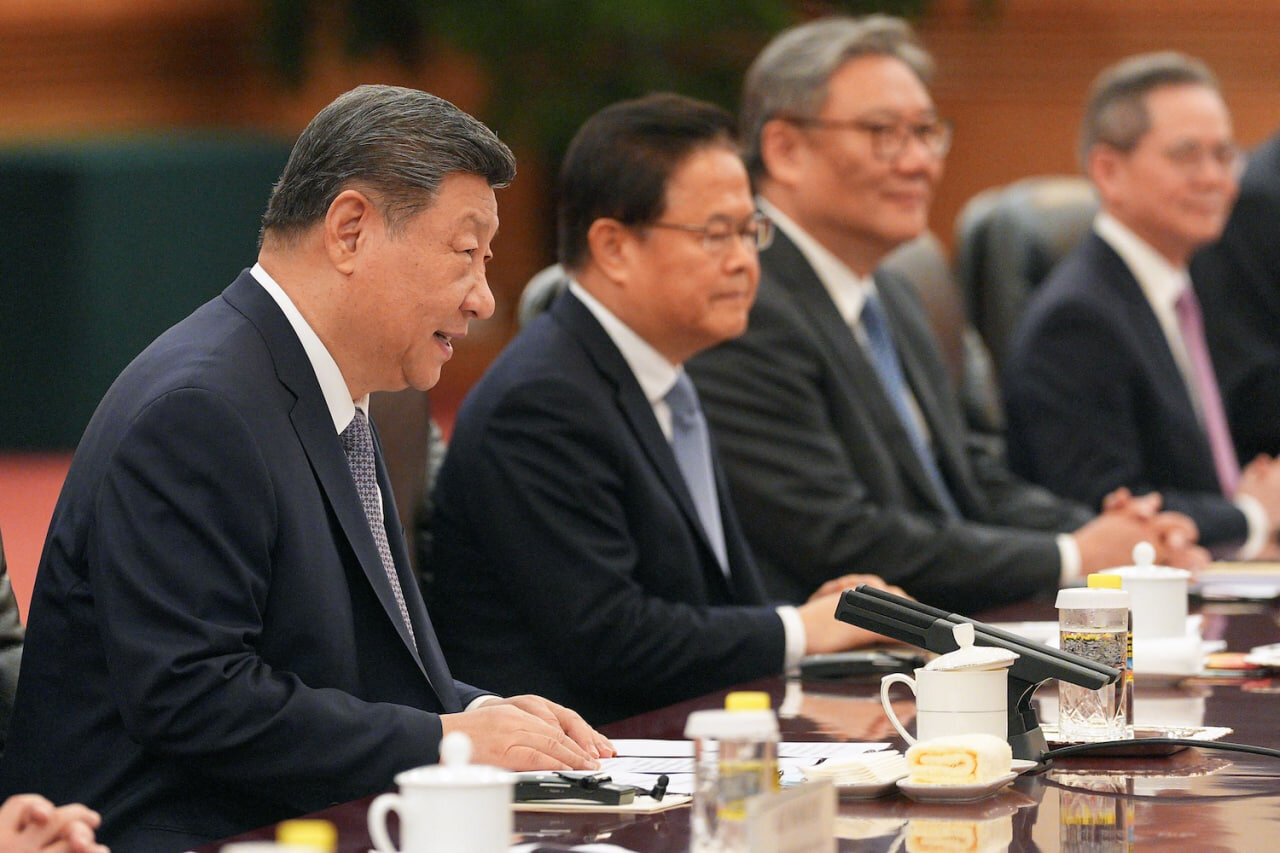
China uses economic initiatives like the Belt and Road to manage crises, demonstrating its influence in global markets and avoiding direct security guarantees.
China helps countries solve problems by making them share money and trade, so they don't fight over things like oil and food.
Analysis
{"heading":"The Belt and Road Initiative","subheading":"A Case Study: Beijing’s Mediation in the Iran-Riyadh Crisis","content":["In 2016, Beijing brokered a historic agreement between Iran and Saudi Arabia, leveraging its position as the largest buyer of Persian Gulf energy and its role as a primary trading partner.","The agreement, known as the 'Joint Declaration on Energy Cooperation,' was reached without the need for ideological alignment, showcasing China's commitment to mutual interests and non-interference.","This model demonstrated China's ability to manage crises through economic integration, preventing the escalation of tensions and maintaining stability in the region."]}
Key points
- China's role in crisis management is shifting from traditional security tools to economic integration and financial leverage.
- China uses the Belt and Road Initiative to manage crises, focusing on mutual interests and non-interference.
- China's model has been successful in managing crises like the Iran-Riyadh agreement.
China's approach can help prevent conflicts and keep global markets stable, benefiting both China and other countries.
If other countries don't share China's goals, China's influence might be limited in certain crises.