Beirut International Arab Book Fair Returns for its 67th Edition... The Lebanese Capital Gathers Publishers Under One Roof
The 67th Beirut International Arab Book Fair has opened, marking its return as a unified event after years of fragmentation, featuring over 165 publishers and a rich cultural program.
Intelligence analysis by Gemini 2.5 Flash
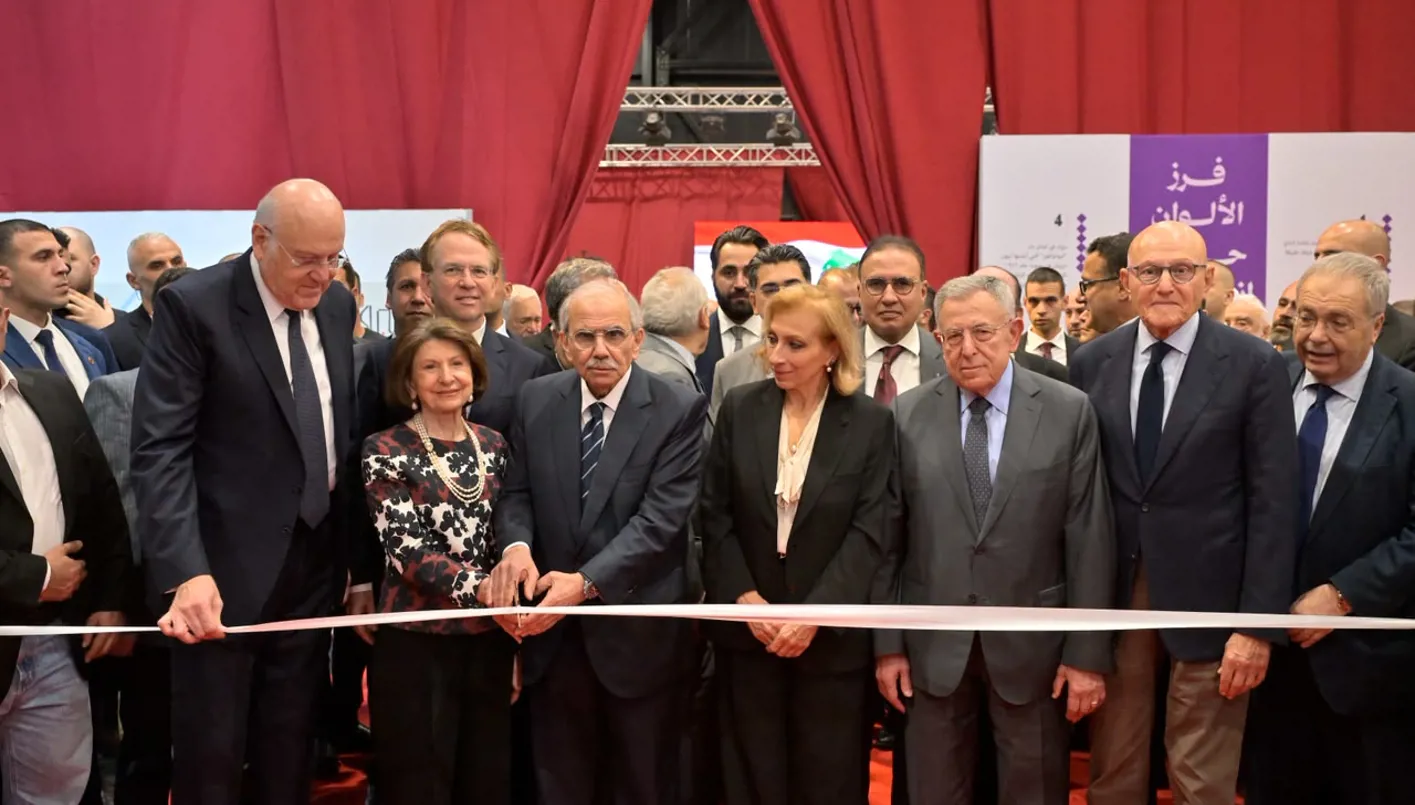
The Beirut International Arab Book Fair has commenced its 67th edition at the Seaside Arena, bringing together numerous Arab and Francophone publishers and cultural figures. This year's fair is significant for its unified format, aiming to re-establish Beirut's historical role as a prominent cultural and publishing center in the region amidst ongoing economic and technological challen…
Imagine a giant party where all the books in the Arab world come together in one big hall in Beirut! This special book fair, happening for the 67th time, is extra important because it's bringing everyone together again after a long time. It's like a big hug for books and ideas, helping Lebanon remember its role as a super important place for stories and learning, even when things are tough.
Analysis
The return of the Beirut International Arab Book Fair for its 67th edition is a significant cultural and economic event for Lebanon, particularly given the country's recent struggles. This year's fair is distinguished by its unified approach, bringing together various publishers and cultural institutions under one roof after a period where multiple, fragmented book events were held. This consolidation is seen as a crucial step towards restoring Beirut's historical prominence as a beacon of Arab culture and publishing, a role that has been challenged by economic crises and regional instability.
Nawaf Salam's Vision
Prime Minister Nawaf Salam, during the opening ceremony, underscored Beirut's enduring legacy as a capital of free speech and a pivotal center for Arab literature. He emphasized that while technological advancements and artificial intelligence accelerate information flow, they do not diminish the fundamental human need for books, which foster contemplation, critical thinking, and understanding. Salam linked the intellectual renaissance directly to comprehensive national revival, asserting that strengthening state sovereignty, institutions, and a culture of citizenship are essential for Lebanon's future. His remarks highlighted the belief that ideas, rather than solely material resources, ultimately shape the destiny of nations.
Ghassan Salameh's Economic Focus
Lebanese Minister of Culture Ghassan Salameh expressed profound satisfaction with the fair's unified return, viewing it as the beginning of a new era aimed at restoring its full Arab and international character. Salameh stressed the economic dimension of the fair, noting that thousands of Lebanese livelihoods depend on the book and publishing sector. He revealed that the Ministry of Culture is actively working to expand the reach of Lebanese books into new foreign markets, providing publishers with greater opportunities for sustainability and competitiveness in the face of severe economic pressures. This focus underscores the dual cultural and economic importance of the event.
Salwa Siniora Baasiri's Resilience
Salwa Siniora Baasiri, head of the Arab Cultural Club, which organizes the event in cooperation with the Syndicate of Lebanese Publishers, hailed the fair's realization as a cultural achievement in itself, given the formidable challenges facing Lebanon and the broader region. She articulated that cultural resilience serves as the primary defense for Lebanon's civilized identity, and that reading is a powerful tool for intellectual liberation, fostering dialogue, and fortifying society against crises. Baasiri also highlighted specific features of the fair, including a dedicated section titled "They Said About Beirut," showcasing quotes from 38 prominent literary figures, and the participation of institutions like the Sheikh Zayed Center for Arab and Islamic Studies and the French Institute, further enriching the cultural exchange.
Key points
- The 67th Beirut International Arab Book Fair has opened, featuring over 165 publishing houses and a program of nearly 100 seminars.
- This edition is notable for its unified return after years of fragmented book events, aiming to restore Beirut's cultural standing.
- Prime Minister Nawaf Salam emphasized Beirut's role as a capital of free speech and the enduring importance of books in an AI era.
- Minister of Culture Ghassan Salameh highlighted the fair's economic significance and efforts to expand Lebanese book presence abroad.
- The event includes Francophone participation and runs until October 18, organized by the Arab Cultural Club and the Syndicate of Lebanese Publishers.
The unified return of the Beirut International Arab Book Fair signals a hopeful step towards revitalizing Lebanon's cultural landscape and its historical role as a regional intellectual hub. The collaboration between cultural institutions and government support could lead to increased readership, foster intellectual exchange, and provide much-needed economic support to the struggling publishing sector.
Despite the positive momentum, the fair faces significant challenges, including ongoing economic pressures, rising production costs, piracy, and rapid digital transformation. These factors could hinder the long-term sustainability of the publishing industry and Beirut's ability to fully reclaim its former cultural prominence, potentially limiting the event's overall impact.