Belgium tackles enormous wildfire as French PM booed on visit to affected region – Europe live
Europe is grappling with widespread wildfires, including Belgium's largest recorded blaze near the German border, while the French Prime Minister faced public anger during a visit to a fire-affected region.
Intelligence analysis by Gemini 2.5 Flash
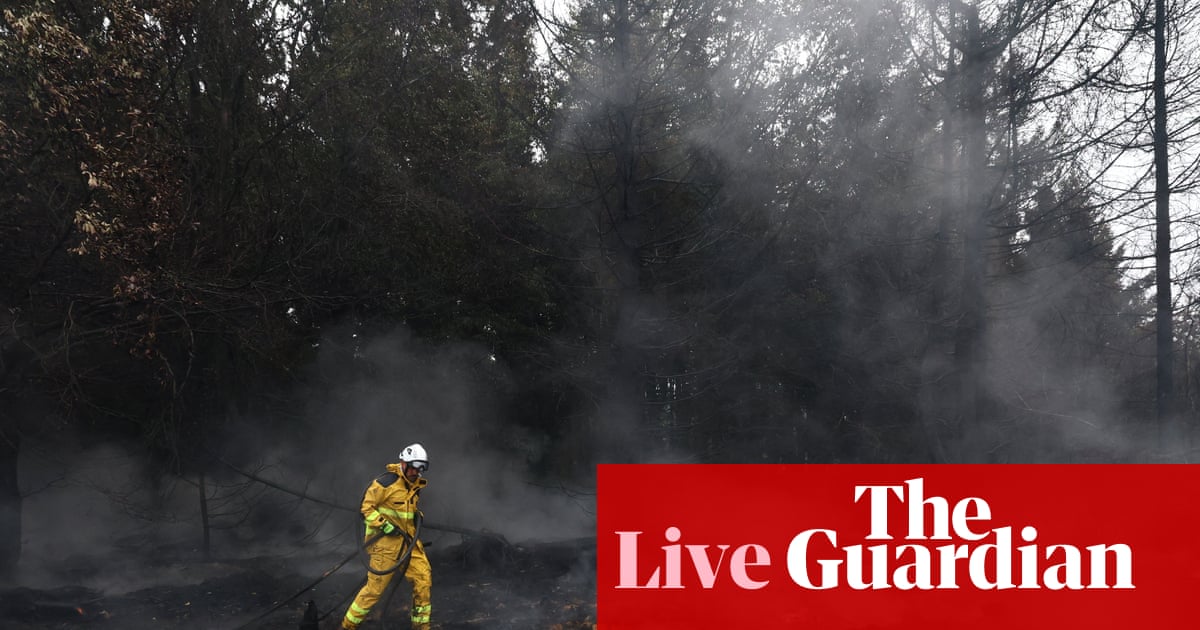
Massive wildfires are raging across Europe, particularly in Belgium, France, and Greece, causing significant environmental damage, fatalities, and prompting evacuations. The crisis is highlighting the severe impact of the climate crisis and leading to public discontent, as evidenced by the French PM being booed by frustrated residents.
Imagine big, hot fires spreading across parts of Europe, like a giant campfire that got out of control. In Belgium, there's a huge fire, the biggest they've ever seen, and it's getting close to another country, Germany. In France, when the leader visited a town that had a big fire, some people were so upset they booed him because they felt he wasn't helping enough. And in Greece, fires on an island made people leave their homes and sadly, two people even died. It's all happening because the weather is getting hotter and drier, making it easier for fires to start and spread.
Analysis
The ongoing wildfire crisis across Europe underscores the profound and multifaceted challenges that climate change presents to political leadership and societal resilience. The sheer scale of the fires, particularly the one in Belgium, which is considered the largest in the country's history, demands significant resources and coordinated responses from national governments and international bodies. The proximity of the Belgian blaze to the German border, prompting evacuations in Monschau, illustrates the trans-national nature of these environmental disasters, necessitating cross-border collaboration and potentially straining diplomatic relations if responses are perceived as inadequate.
Hautes Fagnes
The wildfire in Belgium's Hautes Fagnes nature reserve has become a critical point of concern, not only for its ecological devastation but also for its historical significance as the country's largest recorded blaze. Burning over 3,000 hectares since Friday, the fire's spread towards the German border necessitated precautionary evacuations, highlighting the immediate threat to communities and infrastructure. While light rain offered some respite by halting the eastward progression, the fire's continued growth in other directions indicates the persistent challenge faced by firefighters and emergency services. The event serves as a stark reminder of the vulnerability of even temperate European regions to extreme heat and drought conditions, which are exacerbated by the climate crisis.
Sébastien Lecornu
The reception of French Prime Minister Sébastien Lecornu in Le Porge, a town devastated by wildfires in the Gironde region, offers a potent illustration of the public's frustration and demand for accountability from political leaders. Being booed by local residents and subsequently leaving without freely engaging with them, as reported by BFMTV, signals a significant breakdown in trust and communication. The symbolic gesture of an empty chair left by locals underscores their feeling of being unheard and disrespected. This incident reflects a broader sentiment that governments are not adequately addressing the immediate aftermath of such disasters or implementing sufficient preventative measures against the backdrop of a worsening climate crisis.
Salamis
The tragic events on the Greek island of Salamis, where two lives were lost and nearly 600 people evacuated due to wildfires, further emphasize the human cost of these environmental catastrophes. The fires, which broke out near popular beaches, demonstrate the rapid and unpredictable nature of such blazes, forcing swift and large-scale emergency responses, including evacuations by boat. While the Greek fire service reported the situation as largely extinguished, the need for over 200 firefighters and helicopters to remain on site highlights the extensive resources required for containment and monitoring. The fatalities, including an elderly couple, serve as a grim reminder of the direct and devastating impact on vulnerable populations, intensifying the pressure on political systems to protect citizens from climate-induced threats.
Key points
- Belgium is battling its largest recorded wildfire in the Hautes Fagnes nature reserve, which has burned over 3,000 hectares and prompted evacuations near the German border.
- French Prime Minister Sébastien Lecornu was booed by frustrated residents during a visit to Le Porge, a region affected by massive wildfires, highlighting public discontent.
- Wildfires on the Greek island of Salamis claimed two lives and led to the evacuation of nearly 600 people, though the fires are now largely extinguished.
- A soldier died in Spain while helping to extinguish a large wildfire in Aragon, with French reinforcements deployed to assist.
- The widespread fires across Europe are linked to human-caused climate breakdown, driving more frequent and deadlier extreme weather events.
Despite the widespread destruction, some positive developments are emerging, such as light rain helping to contain the Belgian wildfire's spread towards Germany. Additionally, the Greek island fires, which claimed two lives, have been largely extinguished, indicating that dedicated firefighting efforts can bring some relief and prevent further immediate damage.
The ongoing and widespread nature of these wildfires, coupled with fatalities and public discontent towards political leaders, suggests a challenging future. The severe impact of the summer heatwave and mounting losses indicate that climate-driven disasters will continue to strain resources and potentially lead to further political instability and public anger.