Bernstein sees another leg lower for crypto markets if Clarity Act stalls
Bernstein warns Clarity Act failure could spark another crypto selloff. The broker said failure to pass the Clarity Act this year would likely send crypto lower, but expects U.S. regulators to accelerate rulemaking.
Intelligence analysis by Llama
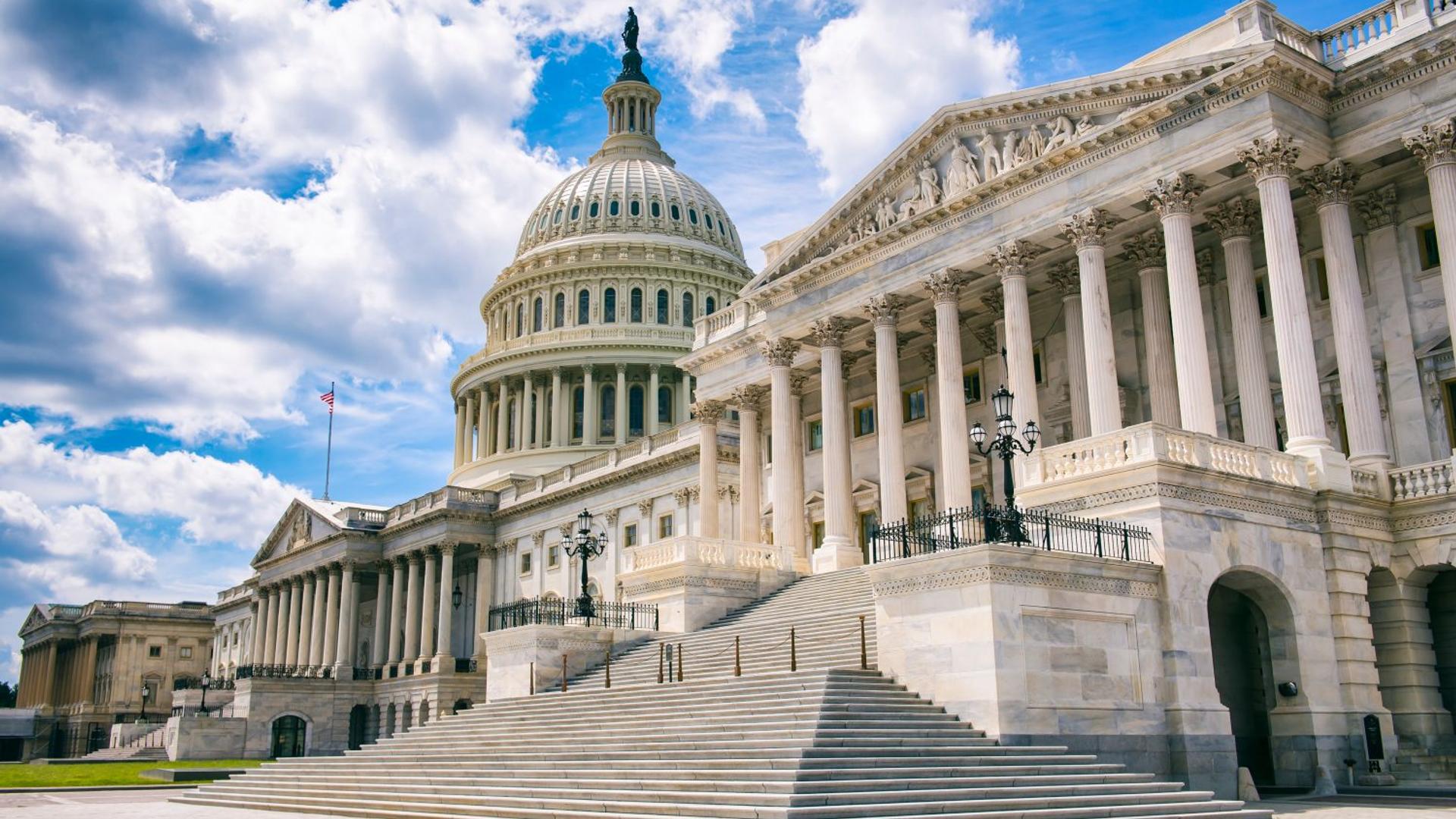
Bernstein expects U.S. regulators to accelerate rulemaking under Project Crypto even without legislation, but warns failure to pass the Clarity Act would likely trigger another selloff in crypto markets.
Imagine you're building a new house, but the government keeps changing the rules about what materials you can use. That's kind of what's happening with crypto right now. Bernstein thinks that if the government doesn't pass a new law called the Clarity Act, it could make people nervous and cause them to sell their crypto. But they also think that the government will still try to make rules for crypto, even if the law doesn't pass.
Analysis
A $60B Vote of Confidence
Bernstein's analysts said they expect regulators to move more quickly on token classifications, decentralized finance (DeFi) guidance, self-custody rules and innovation exemptions for token issuance, while continuing to support tokenization, crypto derivatives and prediction markets. The Clarity Act remains strategically important because it would provide permanent regulatory certainty, encourage banks, broker-dealers and exchanges to invest in blockchain infrastructure, clarify the division between securities and commodities oversight and establish a long-term framework for decentralized finance and digital assets regardless of future political administrations.
Why Cursor?
The broker expects the crypto industry's political influence to remain strong ahead of the U.S. midterm elections and sees the current downturn ending in late third or early fourth quarter, helped by the prospect of further White House policy support. For listed companies, failure to pass the bill would preserve the status quo for stablecoin regulation. Coinbase (COIN) would continue offering yield on idle stablecoin balances, while Circle (CRCL) would remain unable to do so directly as an issuer but could continue sharing distribution economics with partners.
The Road Ahead
A recovery in USDC supply growth remains the key catalyst for renewed momentum in both stocks, the report added. JPMorgan (JPM) warned last week that fading prospects for the Clarity Act to pass the U.S. Senate this year are a setback for crypto, saying further delays could undermine one of the industry's biggest regulatory catalysts.
Key points
- Bernstein expects U.S. regulators to accelerate rulemaking under Project Crypto even without legislation.
- Failure to pass the Clarity Act would likely trigger another selloff in crypto markets.
- Regulatory clarity remains critical for bringing crypto innovation, tokenization and traditional financial institutions onshore.
If the Clarity Act passes, it could make people more confident in crypto and cause them to invest more. This could lead to a recovery in the crypto market, especially if USDC supply growth increases.
If the Clarity Act fails to pass, it could cause a selloff in the crypto market, especially if USDC supply growth decreases. This could lead to a prolonged downturn in the market.