Bessent announces campaign to create 'economic onslaught' against Iran and its partners
Treasury Secretary Scott Bessent announced Operation Economic Outcast, a campaign to use economic tools to reopen the Strait of Hormuz and end the war with Iran. The operation expands secondary sanctions on entities and countries that transact with Tehran and introduces n…
Intelligence analysis by Llama
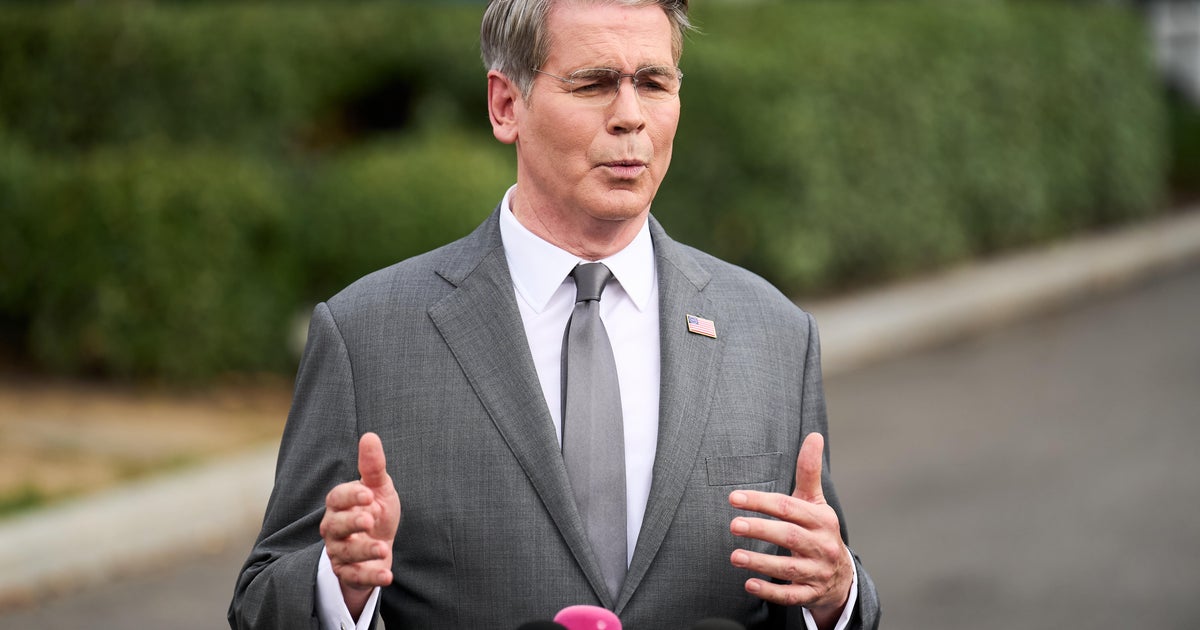
The US Treasury has launched Operation Economic Outcast, a campaign to economically isolate Iran and its partners. The operation expands secondary sanctions and introduces new sanctions across various sectors, including digital assets, gold, aviation, technology, and shipping.
Imagine the US is trying to stop Iran from getting money by cutting off its access to the global financial system. This is like a big game of economic chess, where the US is trying to checkmate Iran by limiting its ability to trade with other countries.
Analysis
Operation Economic Outcast: A New Era of Economic Pressure on Iran and Its Partners
The Trump administration has launched Operation Economic Outcast, a campaign to use economic tools to reopen the Strait of Hormuz and end the war with Iran. This unprecedented campaign marks a significant shift in the US approach to dealing with Iran, moving from a military-focused strategy to an economic one. The operation expands the categories for secondary sanctions on entities and countries that transact with Tehran and introduces new sanctions across various sectors, including digital assets, gold, aviation, technology, and shipping.
The Treasury Secretary, Scott Bessent, emphasized that the operation is not a one-time action but a sustained campaign to economically isolate Iran and its partners. He stated that any entity that facilitates money laundering on behalf of Iran 'will be removed from the U.S. dollar system. The clock just started ticking.'
The operation's focus on secondary sanctions is a significant departure from the previous approach, which primarily targeted Iranian individuals and entities. By expanding the scope of secondary sanctions, the US aims to cut off Iran's access to the global financial system, making it increasingly difficult for the country to conduct international trade.
The new sanctions introduced by the operation target various sectors, including digital assets, gold, aviation, technology, and shipping. These sanctions are designed to disrupt Iran's ability to access the global economy and to limit its ability to engage in international trade.
The Treasury Secretary's statement that 'we are giving everyone the opportunity to remedy bad behavior' suggests that the US is willing to provide a grace period for entities to adjust to the new sanctions. However, he also emphasized that the US has 'infinite patience' and that the operation will continue until Iran stands alone.
The economic pressure campaign is part of the Trump administration's effort to apply economic tools to pressure Iran to reopen the Strait of Hormuz and eventually end the war that has been ongoing for six months. The operation's success will depend on the ability of the US to maintain a unified international front and to effectively enforce the new sanctions.
The Economic D-Day: A New Era of Economic Pressure on Iran
The Treasury Secretary's statement that 'at dawn begins an economic D-Day — the single greatest financial offensive ever marshaled against an adversary' highlights the significance of the operation. The economic D-Day marks a new era of economic pressure on Iran and its partners, with the US using its economic tools to isolate the country and limit its access to the global economy.
The operation's focus on secondary sanctions and the introduction of new sanctions across various sectors demonstrate the US commitment to using economic tools to pressure Iran. The success of the operation will depend on the ability of the US to maintain a unified international front and to effectively enforce the new sanctions.
The Road Ahead: Challenges and Opportunities
The operation's success will depend on various factors, including the ability of the US to maintain a unified international front and to effectively enforce the new sanctions. The operation's impact will also depend on the response of Iran and its partners, who may attempt to find ways to circumvent the new sanctions.
The economic pressure campaign presents both challenges and opportunities for the US. On the one hand, the operation may face resistance from countries that have significant economic ties with Iran. On the other hand, the operation may also create opportunities for the US to strengthen its relationships with countries that share its concerns about Iran's behavior.
The operation's success will also depend on the ability of the US to maintain a unified international front and to effectively enforce the new sanctions. The operation's impact will also depend on the response of Iran and its partners, who may attempt to find ways to circumvent the new sanctions.
Key points
- The US Treasury has launched Operation Economic Outcast, a campaign to economically isolate Iran and its partners.
- The operation expands secondary sanctions on entities and countries that transact with Tehran and introduces new sanctions across various sectors.
- The Treasury Secretary emphasized that the operation is not a one-time action but a sustained campaign to economically isolate Iran and its partners.
- The operation's focus on secondary sanctions is a significant departure from the previous approach, which primarily targeted Iranian individuals and entities.
- The new sanctions introduced by the operation target various sectors, including digital assets, gold, aviation, technology, and shipping.
If the economic pressure campaign is successful, it could lead to a significant reduction in Iran's ability to fund its military activities and potentially even lead to a negotiated settlement with the US.
If the economic pressure campaign fails to effectively isolate Iran, it could lead to a significant increase in Iran's ability to fund its military activities and potentially even lead to a further escalation of the conflict.