Beyond static maps: How IIT Gandhinagar’s tech platform aims to make Ahmedabad flood-free
IIT Gandhinagar has developed the 'Rain2Resilience' platform for Ahmedabad, an urban flood monitoring and decision-support system that combines real-time data, forecasts, and advanced modeling to manage flooding.
Intelligence analysis by Gemini 2.5 Flash
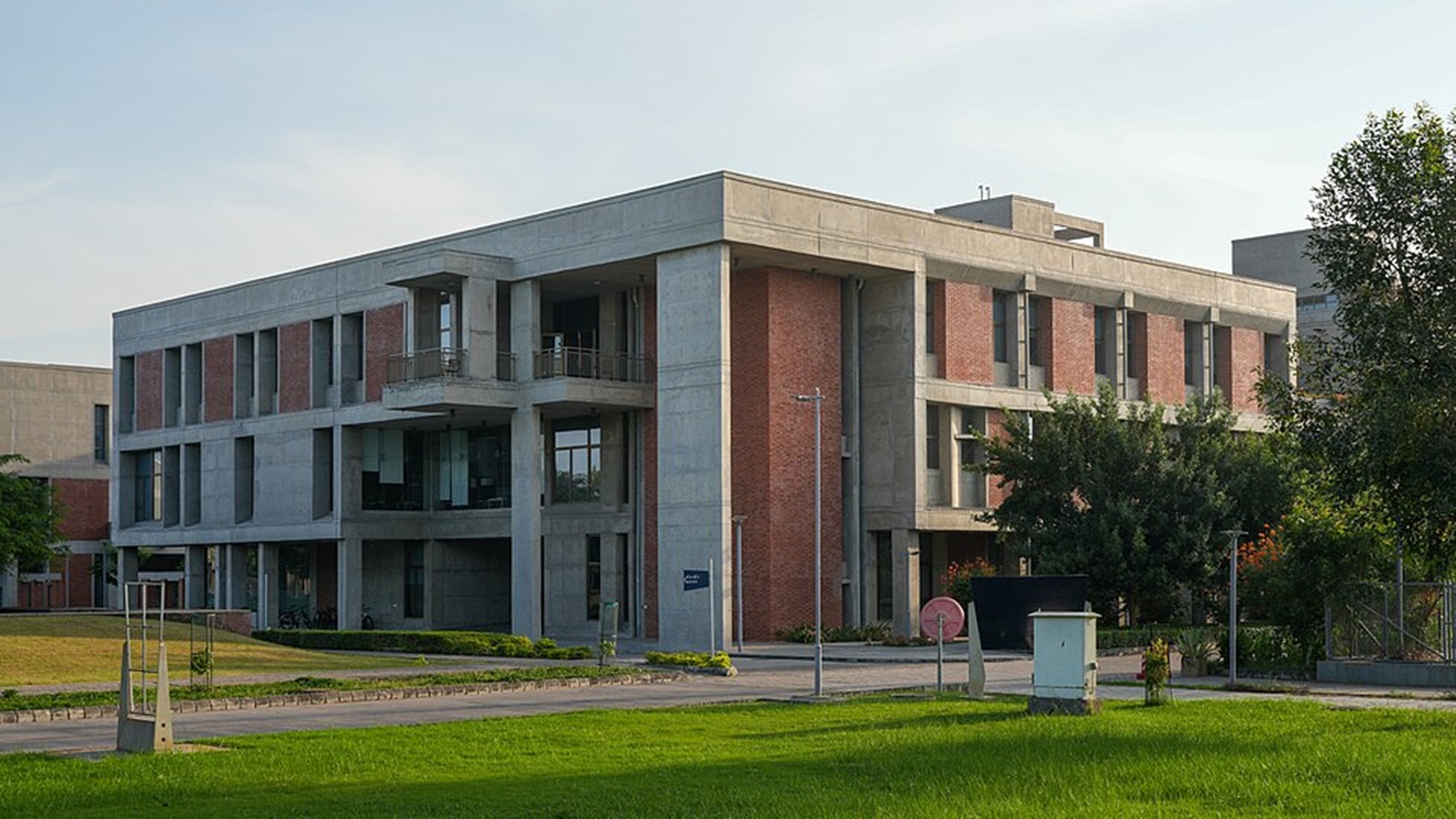
The Rain2Resilience platform, developed by IIT Gandhinagar for the Ahmedabad Municipal Corporation, moves beyond traditional static flood maps. It integrates live weather forecasts, citizen reports, drainage data, and GPU-driven flood modeling to provide real-time intelligence, enabling quicker municipal response and proactive flood management in the city.
Imagine your city gets really wet when it rains a lot, like a giant puddle party! Scientists at IIT Gandhinagar made a special computer program called Rain2Resilience. It's like a super smart weather reporter and detective all in one. It watches the rain, knows where the drains are, and even lets people send pictures of puddles. Then, it uses a super-fast computer brain, called FloodAstra-GPU, to figure out exactly where the water will go and how deep it will get, helping the city fix problems before they get too big, like a superhero planning ahead.
Analysis
The 'Rain2Resilience' platform represents a significant technological leap in urban flood management, shifting from reactive responses to proactive, data-driven decision-making. Developed by IIT Gandhinagar for the Ahmedabad Municipal Corporation (AMC), this system integrates a diverse array of data sources, including real-time rainfall observations, nowcasting and forecast products, detailed drainage and geospatial layers, satellite information, and crucial field evidence. This comprehensive approach is designed to address the complex, compound nature of urban flooding, where intense local rainfall can interact with existing drainage constraints, backwater effects from connected water systems, and even conditions beyond the municipal boundary.
The platform's core innovation lies in its ability to synthesize these disparate data streams into a unified intelligence system. Unlike static flood maps that offer a historical view, Rain2Resilience aims to provide dynamic insights into emerging flood risks. This allows city officials to not only identify current waterlogging hotspots but also to anticipate future problem areas based on predictive models. The system also incorporates citizen reports, transforming them from mere complaints into verified observations that help validate flood models and guide field responses, fostering a partnership between residents and the civic body.
Rain2Resilience
The Rain2Resilience platform is designed as an end-to-end urban flood monitoring and decision-support system, specifically tailored to Ahmedabad's unique challenges. Its primary goal is to empower city teams with the information needed to understand evolving flood risks and to test various response options before committing significant time and public resources. This includes evaluating the potential impact of interventions such as drainage improvements, pumping plans, or storage options, thereby moving beyond simply mapping flood impacts to actively testing solutions for depth, duration, or disruption reduction.
Launched on July 31, the platform is a culmination of efforts supported by IIT Gandhinagar's Research Park incubation system. It addresses the growing vulnerability of Ahmedabad to severe flooding, which has seen parts of the city submerged for days following heavy and sudden rainfall events. By centralizing rainfall forecasts, waterlogging-prone areas, drainage network data, and weather information, the system aims to provide timely warnings and facilitate appropriate administrative decisions, enhancing the city's overall resilience.
Ahmedabad Municipal Corporation
For the Ahmedabad Municipal Corporation (AMC), the Rain2Resilience platform offers a critical tool to overcome the operational challenges posed by urban flooding. During heavy rainfall, AMC teams are typically overwhelmed with simultaneous tasks: responding to complaints, deploying field staff, managing pumping and drainage, protecting critical routes, coordinating public communication, and preparing for subsequent rain spells. The existing information, often fragmented across various sources, makes these tasks exceedingly difficult.
Commissioner Banchhanidhi Pani highlighted the platform's potential to effectively address the problem of increasing urban flooding in Ahmedabad. The system is expected to streamline operations by consolidating all relevant data into a single, accessible interface, allowing for more coordinated and efficient responses. This integration helps AMC distinguish between isolated incidents and recurring or rapidly worsening flood-risk locations, enabling more strategic deployment of resources and targeted interventions to mitigate flood impacts.
FloodAstra-GPU
At the technological heart of the Rain2Resilience system is FloodAstra-GPU, an in-house graphics processing unit (GPU)-scaled flood modeling engine. This high-performance computing capability is crucial for processing city-scale flood scenarios rapidly enough to support real-time operational planning, a significant improvement over traditional models that are often limited to post-monsoon analysis. The use of GPUs allows for complex simulations to be run quickly, providing timely insights that are actionable during an active flood event.
FloodAstra-GPU also provides IIT Gandhinagar with local scientific control over the model, meaning it can be inspected, adapted, and continuously improved to specifically account for Ahmedabad's unique terrain, drainage network, rainfall patterns, and field evidence. This localized control ensures the model's accuracy and relevance, making it a powerful tool for tailored flood management. The team has already demonstrated the effectiveness of FloodAstra-GPU in Gurugram, where it successfully integrated various data layers to support operational scenarios, laying the groundwork for its implementation in Ahmedabad with a focus on municipal workflows and compound flooding.
Key points
- IIT Gandhinagar developed 'Rain2Resilience' for Ahmedabad to manage urban flooding.
- The platform integrates real-time weather forecasts, citizen reports, drainage data, and satellite information.
- It uses a GPU-scaled flood modeling engine, FloodAstra-GPU, for rapid scenario processing.
- The system aims to shift from static flood mapping to dynamic risk assessment and proactive response planning.
- It enables the Ahmedabad Municipal Corporation to test interventions and provide timely warnings to residents.
The Rain2Resilience platform holds the promise of transforming Ahmedabad's flood management from reactive to proactive, significantly reducing economic losses and public disruption. By providing real-time intelligence and scenario testing capabilities, the city can implement targeted interventions, leading to a more resilient urban environment and improved safety for its residents.
Despite its advanced capabilities, the platform's effectiveness could be hampered by incomplete or outdated drainage data, insufficient citizen participation, or a lack of resources for municipal teams to act on the real-time insights. Furthermore, the dynamic nature of urban development and climate change might continuously challenge the model's accuracy, requiring constant updates and adaptation.