Beyond the West: The rise of a multipolar order
The US is escalating tensions on multiple fronts, from Iran to Ukraine, as it tries to preserve its international influence. Retired US Army Lieutenant Colonel Karen Kwiatkowski discusses US foreign policy and the changing balance of power.
Intelligence analysis by Llama 3.3 70B

The US is acting like a late-stage empire, relying on military power to maintain influence abroad, but this tool is becoming less effective. Kwiatkowski discusses the US involvement in Ukraine and Iran, and the challenges to its international order.
The US is trying to stay in charge of the world, but it's getting harder. It's using its military to try to control things, but that's not working as well as it used to. This is causing problems in places like Ukraine and Iran.
Analysis
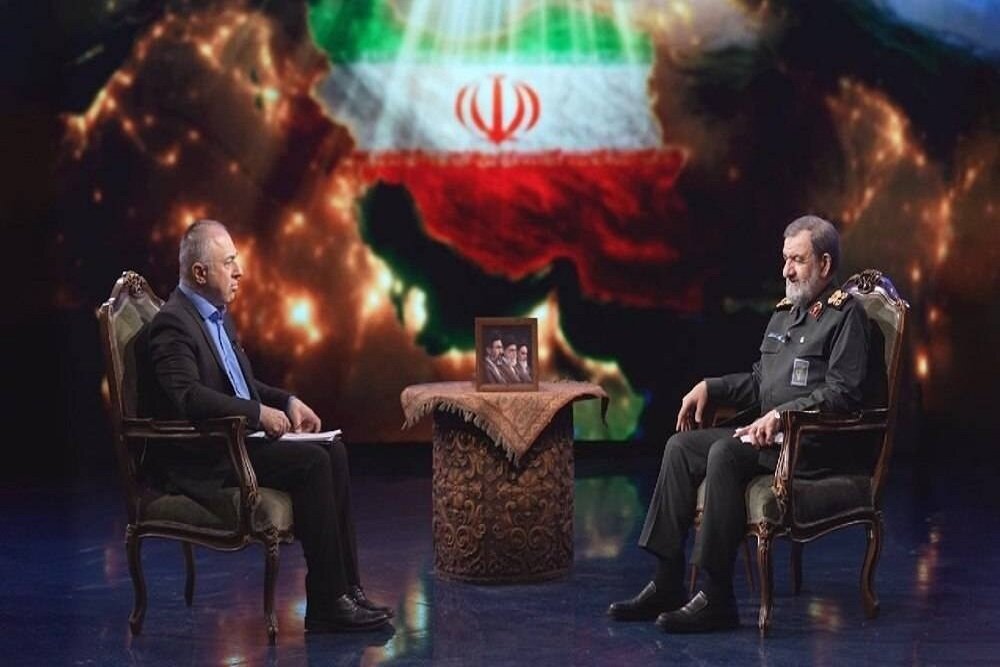
The recent discussion hosted by Tehran Times and Sputnik featured retired US Army Lieutenant Colonel Karen Kwiatkowski, who shared her views on US foreign policy, the conflicts involving Iran and Ukraine, and the changing balance of power in the international system. Kwiatkowski argued that the US is behaving like a late-stage empire, relying on military power as its primary instrument for maintaining influence abroad. However, this tool is becoming less effective, and the political establishment continues to depend on it because it lacks viable alternatives. The US involvement in Ukraine and Iran is part of a broader effort to preserve an international order that increasingly faces challenges from emerging centers of power. Kwiatkowski noted that the US remains deeply involved in Ukraine, providing military equipment, intelligence support, and logistical assistance, despite public discussions about diplomacy and burden-sharing. She also argued that the US assumptions about quickly neutralizing Iran were never realistic, and that military professionals understood the limitations of US military power in the region. The strongest pressure for confrontation with Iran came from political and ideological actors, rather than military professionals, with Israel's security concerns and the influence of pro-Israel political networks in Washington playing an important role in shaping US policy. Kwiatkowski also discussed the possibility of Iran disrupting the Strait of Hormuz, which is not a new scenario, and the reasons why US policymakers believed the risks were acceptable. The support for Ukraine within the US foreign policy establishment is connected to a larger strategic vision concerning the future international order and the preservation of American dominance. Kwiatkowski drew similarities between the Israeli security model and the vision presented by President Zelensky for Ukraine, which emphasizes military preparedness and defense concerns. However, this model requires permanent mobilization and has significant implications for Ukrainian society.
Key points
- The US is escalating tensions on multiple fronts, from Iran to Ukraine
- The US is acting like a late-stage empire, relying on military power to maintain influence abroad
- The US assumptions about quickly neutralizing Iran were never realistic
- The support for Ukraine within the US foreign policy establishment is connected to a larger strategic vision
If the US can adapt to the changing international landscape and find new ways to exert its influence, it may be able to maintain its position as a global leader. This could involve shifting its focus from military power to other forms of influence, such as economic or cultural power. Additionally, if the US can work with other countries to address common challenges and promote stability, it may be able to create a more cooperative and peaceful international environment.
If the US continues to rely on military power to maintain its influence, it may face significant challenges and risks. The ongoing conflicts in Ukraine and Iran could escalate, leading to further instability and humanitarian crises. Additionally, the US may face challenges from emerging centers of power, such as China and Russia, which could undermine its position as a global leader.