Biodiversity Loss Threatens Global Financial Stability
A Reuters study says biodiversity loss is being underpriced by markets and could raise sovereign borrowing costs, especially for vulnerable countries.
Intelligence analysis by GPT-5.4 Mini
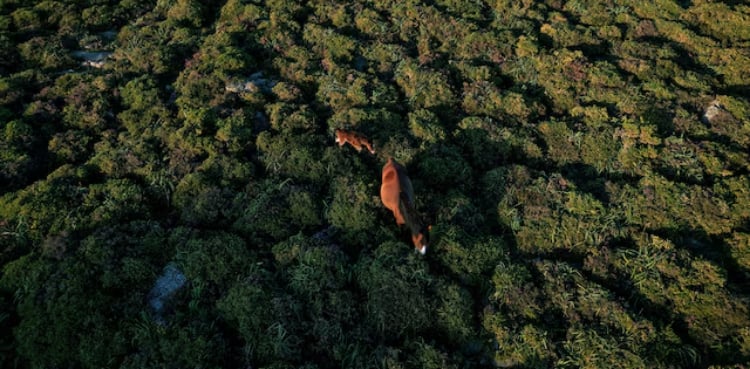
Researchers say financial markets are ignoring nature-related risk. Their model suggests ecosystem damage could lift global debt costs, cut GDP, and trigger downgrades in countries such as India, China, Indonesia, Bangladesh and Malaysia.
The study says nature is like the hidden engine that helps farms grow and oceans feed people. If that engine breaks, countries can make less money and have to pay more to borrow, like a family whose pay drops but the bank bill goes up.
Analysis
What the study says
Reuters reports that economists from Sussex, Sheffield and Heriot-Watt have built what they call the first biodiversity-adjusted sovereign credit ratings model. Their point is simple: current ratings systems do not properly account for environmental damage, even though it can affect how much a government can earn and repay.
The researchers argue that markets are overlooking a large pool of risk, with about $83 trillion in global assets potentially being mispriced. They estimate that even a partial breakdown of key ecosystems such as wild pollinators, marine fisheries and tropical forests could increase annual global sovereign debt interest payments by $162 billion.
Why the warning matters
The article links biodiversity loss to real economic losses, not just environmental harm. It says reduced ecosystem services could cut global GDP by around $2 trillion a year. Countries most exposed to these shocks could see major rating damage: India could be downgraded by four notches and China by more than five on the model’s scale, with the result of roughly $50 billion more in yearly interest for India and $70 billion for China.
The study also flags Indonesia, Bangladesh and Malaysia as vulnerable to multi-notch downgrades. Across the 23 countries examined, higher debt costs could ripple through banks, businesses and pension funds. The authors want regulators, central banks and rating agencies to include nature-related risks in financial models, arguing that prevention would cost far less than the economic fallout of inaction.
Key points
- A new study says biodiversity loss is not properly priced into sovereign credit ratings.
- The researchers estimate that ecosystem damage could add $162 billion a year to global sovereign debt interest costs.
- India and China could face large rating downgrades and much higher annual interest bills under the model.
- Indonesia, Bangladesh and Malaysia are also flagged as vulnerable to multi-notch downgrades.
- The authors urge regulators and rating agencies to include nature-related risks in financial models.
If regulators and rating agencies start counting nature risks, lending decisions could better reflect real danger instead of hiding it. That could push governments and investors to protect ecosystems earlier, which the study says would be cheaper than paying for the damage later.
If markets keep ignoring biodiversity loss, exposed countries could face higher borrowing costs and weaker credit ratings. The study warns that this could move some closer to sovereign default and spread stress to banks, businesses and pension funds.