Bitcoin holders risk losing real BTC if they sell coins from BIP-110 fork, says developer
Bitcoin holders risk losing real BTC if they sell coins from a possible BIP-110 fork. A replay attack could occur if buyers take advantage of the situation, making doing nothing the safest move until the chains can be separated.
Intelligence analysis by Llama
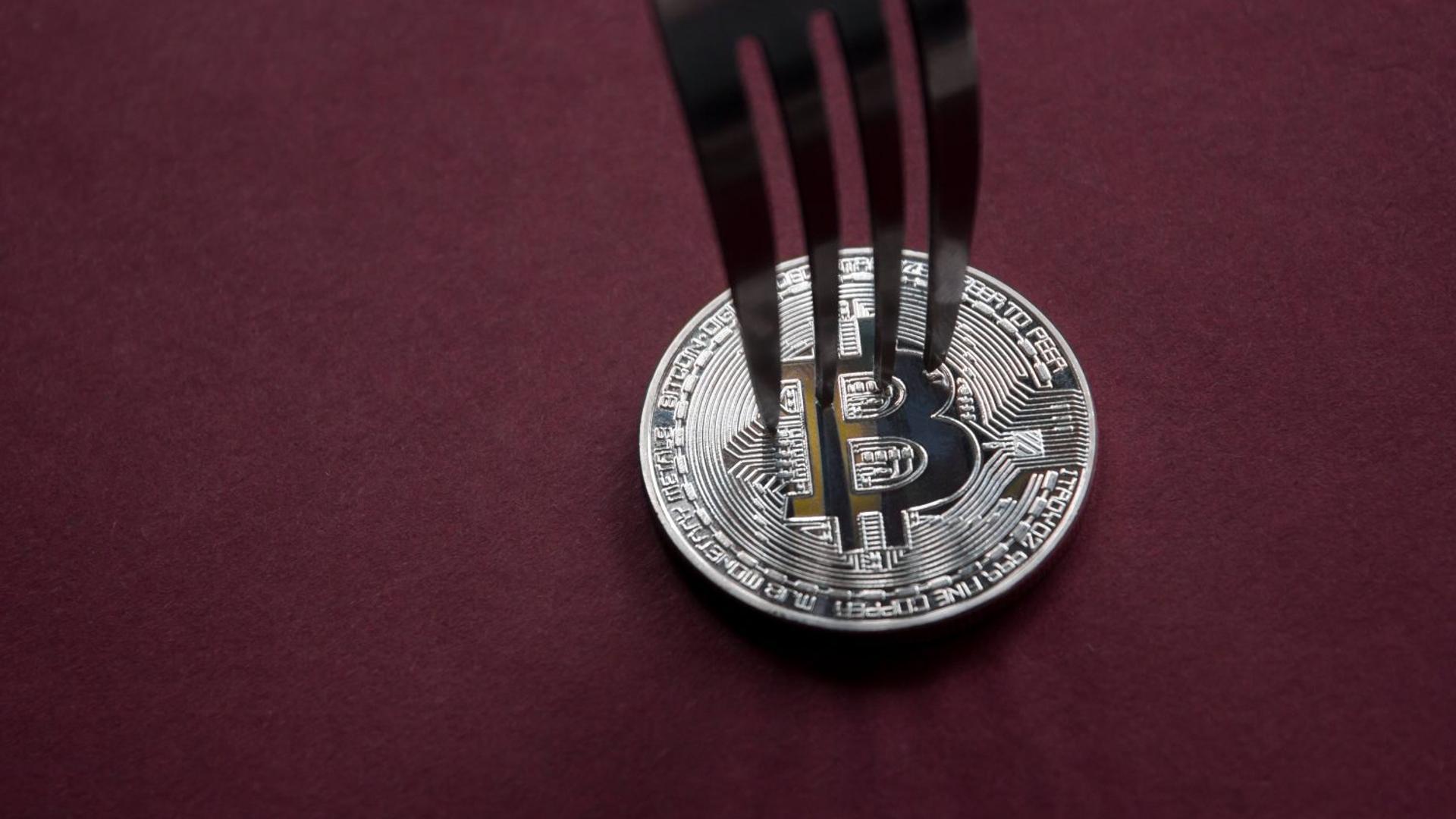
A planned Bitcoin fork tied to the controversial BIP-110 proposal could create duplicate balances on two chains, tempting holders to sell the new coins for what looks like free money. However, selling the forked coins could trigger a replay attack that also spends the seller's real bitcoin on the main chain.
Imagine you have two identical copies of a document. If someone tries to change one copy, they can also change the other copy, even if you didn't want them to. This is similar to what could happen with a replay attack on the Bitcoin network. If a buyer tries to change one copy of a transaction, they can also change the other copy, which could result in the loss of real bitcoin.
Analysis
BIP-110 and the Potential Fork
The controversy surrounding BIP-110, a proposal that would keep pictures, text, and other non-payment data out of bitcoin transactions for a year, has led to a potential fork in the Bitcoin network. The fork, which could create duplicate balances on two chains, has raised concerns among developers and holders alike.
The Replay Attack Risk
The replay attack risk is a significant concern for holders who may be tempted to sell the new coins for what looks like free money. However, selling the forked coins could trigger a replay attack that also spends the seller's real bitcoin on the main chain. This is because both chains initially accept identical transactions, making it possible for a buyer to take advantage of the situation and spend the seller's real bitcoin.
The Safest Course of Action
Developers warn that, without built-in replay protection until at least early September, the safest course for non-experts is to avoid moving coins during the potential split. This means that holders should leave their coins alone and not attempt to sell them, as doing so could result in a replay attack and the loss of real bitcoin.
The Importance of Understanding the Implications
This story highlights the importance of understanding the implications of a potential fork in the Bitcoin network. It is essential for holders to be aware of the potential risks associated with such an event and to take necessary precautions to protect their assets.
Key points
- A planned Bitcoin fork tied to the controversial BIP-110 proposal could create duplicate balances on two chains.
- Selling the forked coins could trigger a replay attack that also spends the seller's real bitcoin on the main chain.
- Developers warn that, without built-in replay protection until at least early September, the safest course for non-experts is to avoid moving coins during the potential split.
- Holders should leave their coins alone and not attempt to sell them, as doing so could result in a replay attack and the loss of real bitcoin.
If the BIP-110 fork is successfully implemented, it could lead to a more secure and efficient Bitcoin network. The replay protection mechanism, which is expected to be implemented in early September, will help prevent replay attacks and ensure that holders can safely move their coins.
If the replay attack is successful, it could lead to a significant loss of real bitcoin for holders who attempt to sell the new coins. This could have a negative impact on the Bitcoin network and the holders who are affected.