Bitcoin Retreats From One-Month High as Oil Tops $85, Inflation Concerns Resurface
Bitcoin fell below $66,000 after reaching a one-month high, as surging oil prices reignited inflation concerns. This led to a risk-off rotation within crypto, boosting Bitcoin's dominance.
Intelligence analysis by Gemini 2.5 Flash Lite
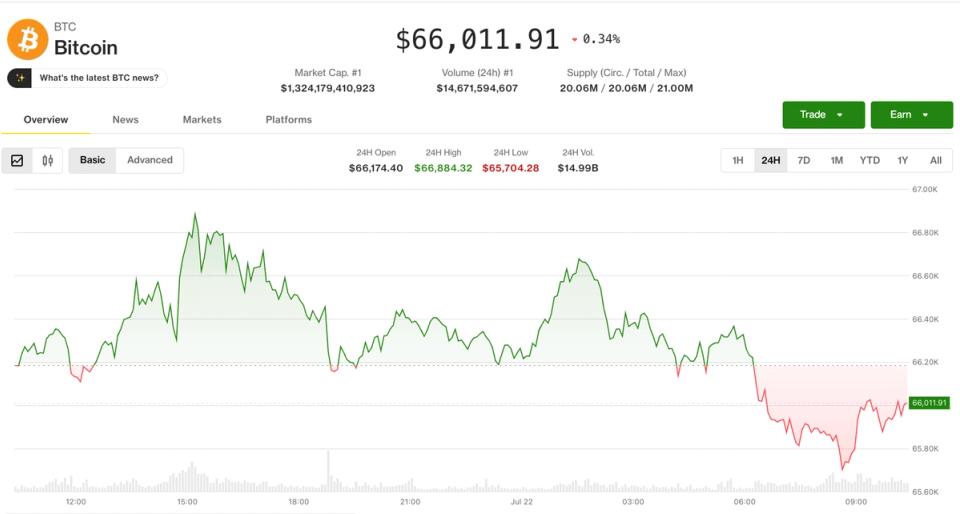
Rising oil prices above $85 per barrel, driven by geopolitical tensions, have rekindled inflation fears, prompting a shift towards safer assets like gold and Bitcoin. This macro backdrop has caused Bitcoin to retreat from recent highs, with capital flowing out of altcoins into BTC.
Imagine the world's economy is like a big playground. When scary news happens, like oil prices going way up because of fights far away, people get nervous and want to hold onto their most valuable toys. So, they take their toys from smaller, less popular games and put them into the biggest, most trusted toy box, which is like Bitcoin. This makes Bitcoin more popular for a bit, even though other toys might be dropping in value.
Analysis
Geopolitical Shocks and Inflationary Echoes
The escalation of the Iran conflict has sent West Texas Intermediate (WTI) crude oil prices soaring past $85 per barrel, a level not seen since mid-June. This surge in energy costs is a potent reminder of the inflationary pressures that have plagued global markets throughout the year. For investors, particularly those in risk-sensitive sectors like cryptocurrency, this development triggers a familiar sense of caution. The specter of rising inflation often leads central banks to consider tighter monetary policies, which can dampen economic growth and reduce liquidity available for speculative assets. Consequently, the upward momentum seen in Bitcoin and other risk assets has been abruptly halted, as the market recalibrates its exposure in light of renewed macroeconomic headwinds.
The Flight to Safety Within Crypto
In response to the broader market's risk-off sentiment, capital has begun to rotate within the cryptocurrency ecosystem itself. Bitcoin, often perceived as the relative safe haven within the digital asset space, has seen its market dominance climb to 59%. This indicates that investors are pulling funds from altcoins and even stablecoins, consolidating their positions into the largest and most established cryptocurrency. This trend mirrors traditional markets where investors flock to assets like gold and silver during times of uncertainty. The article notes that while Bitcoin experienced profit-taking after reaching a month-long high, the underlying driver for its resilience and increasing dominance is the prevailing macroeconomic fear.
Shifting Derivatives and Volatility Expectations
The derivatives market is reflecting this cautious sentiment. Trading volumes have decreased, and open interest has remained static, suggesting a pause in aggressive positioning. The long/short ratio has tightened, indicating a waning bullish bias. Specific tokens like Hyperliquid's HYPE and Stellar Lumens (XLM) are showing signs of bearish momentum, with increased short interest and negative volume deltas. Conversely, Bitcoin's 30-day implied volatility has risen, signaling that traders are anticipating increased price swings. Despite the current pullback, there's still demand for upside exposure in options, particularly for Bitcoin calls at higher strike prices, suggesting some market participants are looking past the immediate downturn and betting on a future recovery.
Key points
- Bitcoin retreated from a one-month high as WTI crude oil surpassed $85 per barrel.
- Rising oil prices reignited inflation concerns, prompting a shift towards safer assets like gold, silver, and Bitcoin.
- Bitcoin's market dominance increased to 59% as capital moved away from altcoins and stablecoins.
- Derivatives markets show signs of caution, with tightening long/short ratios and increased volatility expectations for Bitcoin.
- Despite the pullback, demand for Bitcoin call options suggests some traders anticipate a future recovery.
Despite the immediate pullback, the continued demand for Bitcoin call options suggests that some investors believe the current dip is temporary. If geopolitical tensions de-escalate and inflation concerns subside, Bitcoin could resume its upward trajectory, potentially reaching new highs as it solidifies its position as a digital safe haven.
The resurgence of inflation concerns driven by oil prices could lead to sustained risk aversion, prompting further sell-offs in cryptocurrencies. If central banks adopt more hawkish policies in response, it could significantly dampen liquidity and hinder the recovery of risk assets like Bitcoin.