Bitcoin slides 2% after U.S. close while Korea's Kospi plunges 10%
Bitcoin fell roughly 2.7% to about $63,200 after the U.S. market close, dragged lower as South Korea's Kospi index plunged 10% and broader crypto majors sold off. The Senate has shelved the CLARITY Act to prioritize a Russia sanctions bill, leaving a vote unlikely before …
Intelligence analysis by Llama
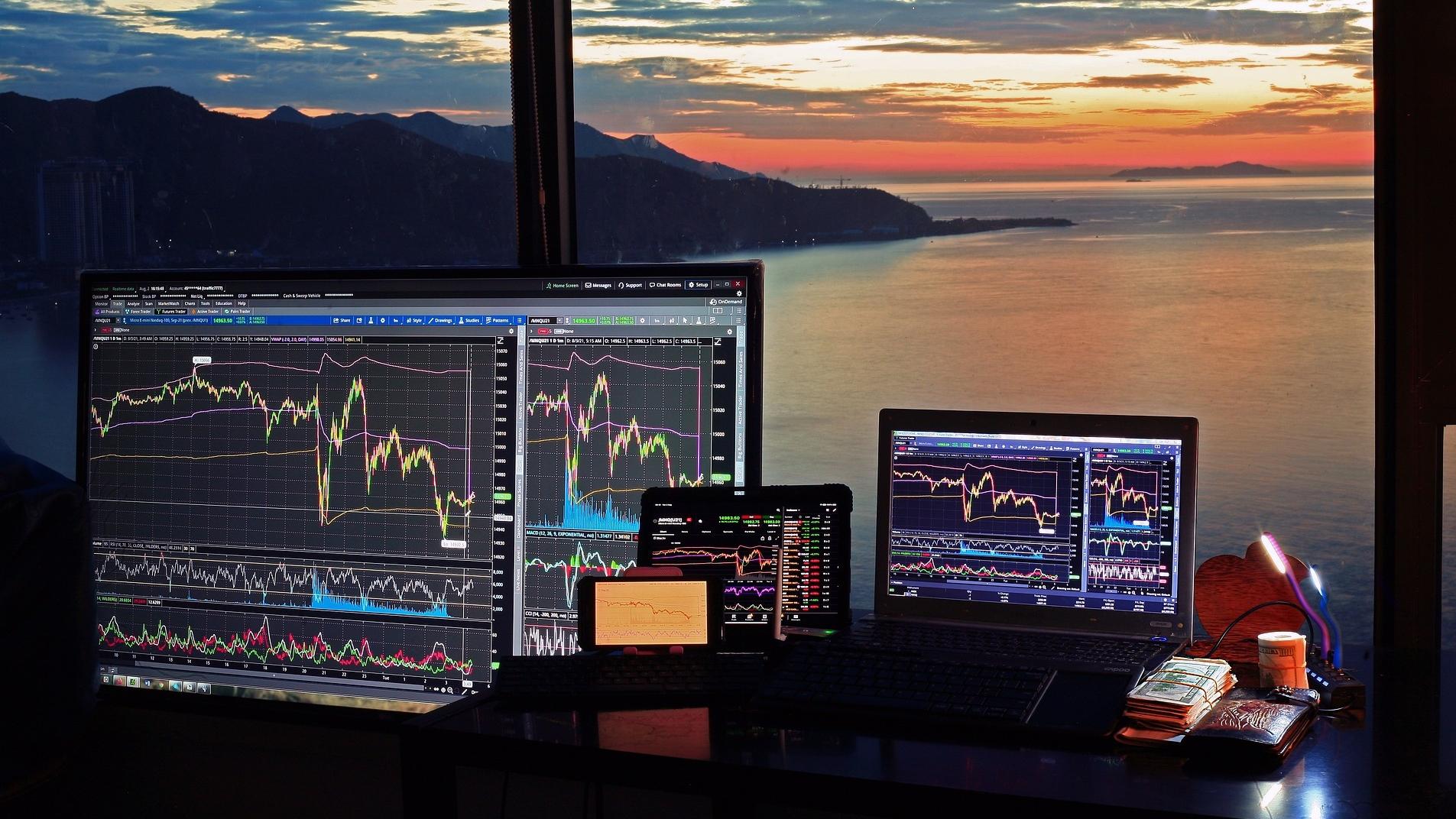
Bitcoin extended its slide into Asia as South Korea's Kospi cratered 10%, with risk-off sentiment spilling over into ETH, XRP and SOL. Capitol Hill's pivot away from the CLARITY Act and a Fed-heavy week add to the pressure.
Bitcoin is like a big digital coin that grown-ups treat a lot like a stock. Right now, stocks in Korea fell really hard, and the grown-ups got scared, so they sold a bunch of stuff, including Bitcoin, making its price drop too.
Analysis
A Korean Trigger for a Global Risk-Off
The proximate cause of the latest leg lower in crypto was a 10% plunge in South Korea's Kospi, the index's worst session in months and a 25% drawdown from its mid-June peak. Heavyweight chipmakers Samsung and SK Hynix led the selloff, reflecting a sharp rotation out of semiconductor names that had been a core pillar of the regional bull market. InvestingLive noted that "the market is falling out of love with chipmakers at the moment" and that dynamic has been a "big driver of the bull market in South Korea." When the bellwether index for a tech-heavy Asian economy breaks like that, the risk-off impulse does not stay local; it bleeds into U.S. tech and, increasingly, into digital assets that have spent the last two years trading like long-duration equity proxies.
The CLARITY Act Hits a Pothole
Compounding the price action, the U.S. Senate has shelved the CLARITY Act to focus legislative bandwidth on a Russia sanctions bill, effectively pushing any vote on the long-awaited crypto market-structure legislation to next week at the earliest, and the chamber then heads into an Aug. 8 recess. The bill had been marketed as the vehicle to "deliver regulatory clarity and unlock massive institutional buying for digital assets," and the market had been positioning for that window. With the runway narrowed, that expected institutional bid is unlikely to materialize before the break, removing what was arguably the most-watched near-term catalyst in U.S. crypto policy.
Fed Week: The Real Test
Price action over the next 48 hours may matter more than anything on Capitol Hill. The Federal Reserve announces its interest-rate decision on Wednesday, with Core PCE and GDP prints landing on Thursday. Dessislava Ianeva, analyst at Nexo, framed the setup succinctly: "Wednesday–Thursday [are] the week's highest-volatility window for U.S. rate repricing." The Bitfinex research desk added an important nuance, arguing that "BTC trades with equities when the stress is macro and rates-driven, and decouples when the stress is idiosyncratic to the equity market," and that the current chip-led, earnings-driven selloff may not pull crypto down with it on its own. But with a rate decision, an inflation print and a growth print stacked into two days, the macro channel is very much open, and that is precisely the regime in which the BTC-equity correlation tends to bite.
Key points
- Bitcoin fell about 2.7% to roughly $63,200, with ETH, XRP and SOL also sliding
- South Korea's Kospi plunged 10%, now down 25% from its mid-June peak, led by chip heavyweights Samsung and SK Hynix
- The U.S. Senate shelved the CLARITY Act to prioritize a Russia sanctions bill, pushing any vote past the Aug. 8 recess
- Bitfinex analysts say BTC's correlation to equities strengthens when stress is macro and rates-driven
- Fed rate decision on Wednesday and Core PCE plus GDP on Thursday make this the week's highest-volatility window
If the Fed signals a dovish path and U.S. data comes in soft enough to revive rate-cut hopes, crypto could rebound alongside equities as the macro overhang lifts. A quick pivot back to the CLARITY Act after the recess could also restore the institutional-bid narrative that bulls have been waiting for.
A hawkish Fed surprise combined with hot inflation prints could deepen the cross-asset selloff, while the CLARITY Act delay removes a near-term floor under U.S. institutional sentiment. Further weakness in Korean and Asian tech would likely keep BTC pinned to equity volatility through the rest of the week.
Market signals
- BTC Article reports BTC fell about 2.7% to roughly $63,200 as Asian equities sold off and risk-off cues spread to crypto.
- KOSPI Article states the Kospi plunged 10% to its lowest level since mid-April, down 25% from its mid-June peak.
AI-generated analysis of potential market relevance. Not financial advice.